Fingerroot: Antimicrobial and Antiviral Research
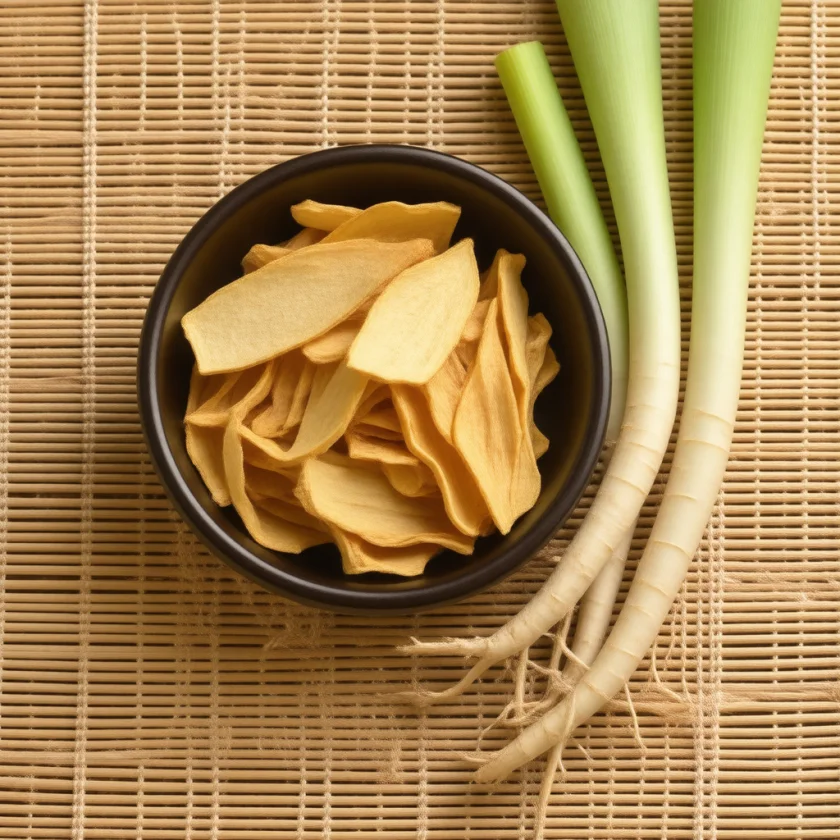
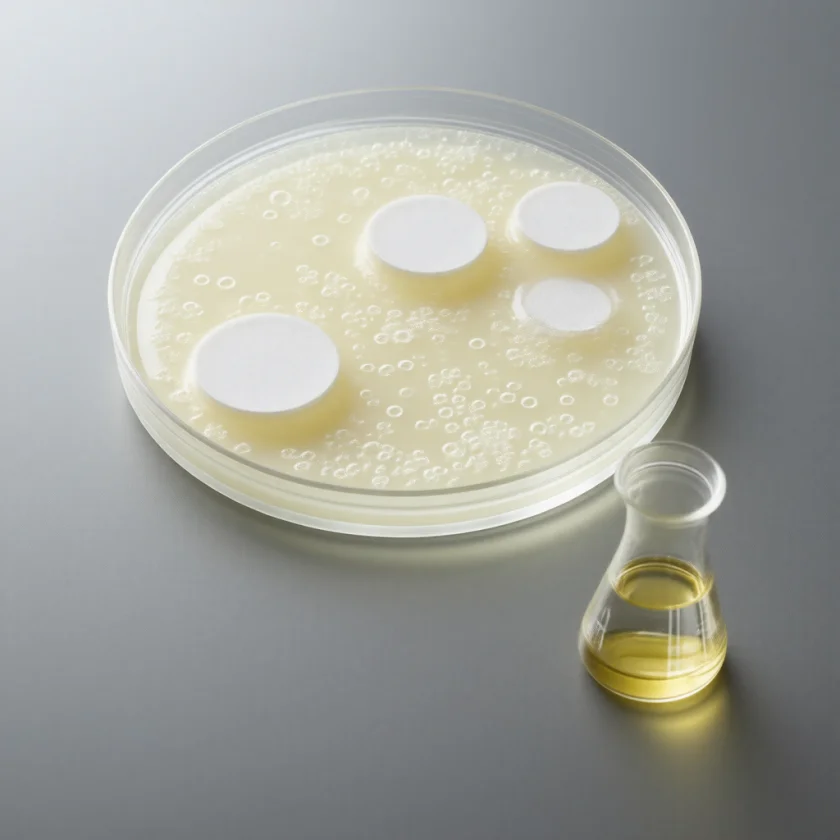
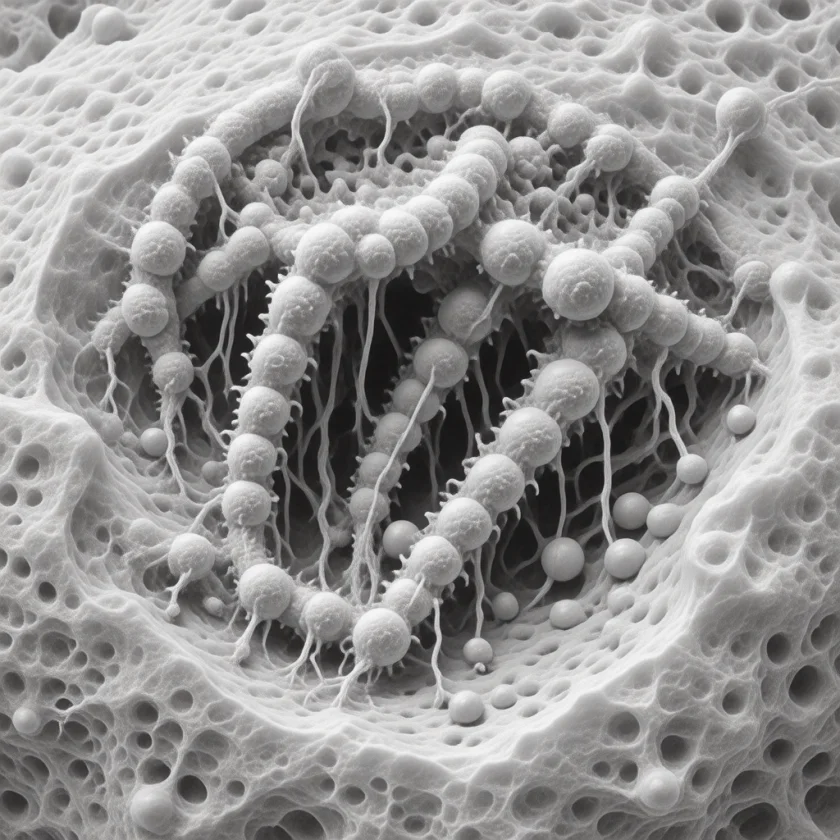
Panduratin A — the lipophilic chalcone that makes fingerroot chemically distinctive — is a promiscuous hit in laboratory screens. It disrupts microbial membranes, interferes with biofilm formation, and was the compound behind the 2020 finding that made fingerroot briefly famous: activity against SARS-CoV-2 in cell culture. That single result triggered a research wave that is still running five years later, and it sits alongside a much older and less-reported body of antibacterial, antifungal, and oral-pathogen work. This page tries to do the one thing the 2021–2022 news cycle around fingerroot mostly did not: separate what was actually measured — a dish of cells, a docking simulation, an animal, a person — from what got implied by a headline.
Table of Contents
- Two Research Waves, One Compound
- The SARS-CoV-2 Screening Story — What Actually Happened
- From Dish to Animal — the Hamster Studies
- The Broader Antiviral Docking Wave, and Its Dengue Prehistory
- Beyond SARS-CoV-2: Other Viruses Screened
- What All of This Antiviral Work Has Not Shown
- Antibacterial Activity and Antibiotic Synergy
- Antifungal Activity
- Oral Health and Periodontitis — The Most Clinically Plausible Application
- Why the Mouth Is a Special Case
- Cautions Specific to This Claim Area
- Key Research Papers
- Connections
- Featured Videos
Two Research Waves, One Compound
Fingerroot's antimicrobial and antiviral literature reads as two overlapping stories built on the same chemistry. The older story, running from the early 2000s onward, is straightforward natural-products antimicrobial screening: does fingerroot extract, or panduratin A specifically, kill or inhibit bacteria and fungi in a dish. The newer story, concentrated almost entirely in 2020–2026, is the antiviral wave that began with a single high-profile SARS-CoV-2 screening hit and has since expanded into a small industry of computational docking papers testing panduratin A and its relatives against one viral protein target after another. Both stories share the same underlying reason panduratin A performs well in these assays: it is highly lipophilic (fat-soluble), which lets it cross cell membranes readily and also makes it a promiscuous binder in silico — a molecule that looks active against almost anything you point it at in a screen. That same lipophilicity, discussed on the main Fingerroot page, is also why panduratin A is poorly water-soluble and why turning any of this into an oral drug has proven difficult. A 2024 rat study put numbers on the absorption problem: the absolute oral bioavailability of panduratin A was “approximately 9% and 6%” when given as the pure compound and as fingerroot extract, respectively. It was mostly distributed in the gut organs, with the highest tissue-to-plasma ratio in the stomach, and about 20–30% of the dose was found unchanged in faeces.
The SARS-CoV-2 Screening Story — What Actually Happened
In November 2020, Kanjanasirirat and colleagues published a high-content screen of Thai medicinal plant extracts against SARS-CoV-2 in Scientific Reports. Fingerroot extract was a hit, and the activity was traced to panduratin A, which inhibited viral infection in cultured cells both when applied before and after viral exposure. The screen covered 122 Thai natural products in Vero E6 cells. Given after infection, fingerroot extract suppressed the virus with a 50% inhibitory concentration (IC50) of 3.62 µg/mL, against a 50% cytotoxic concentration (CC50, the level that harms the cells themselves) of 28.06 µg/mL; for panduratin A the figures were 0.81 µM and 14.71 µM. Given before viral entry, panduratin A had an IC50 of 5.30 µM (CC50 43.47 µM). The compound also suppressed viral infectivity in human airway epithelial cells. This is careful, competent cell-culture pharmacology from a serious group, and it is the finding that launched everything that follows on this page. It is also, on its own, nothing more than a demonstration that panduratin A stops the virus replicating in a dish of cells — the first and easiest step of a drug-discovery pipeline that most candidate compounds never finish.
From Dish to Animal — the Hamster Studies
Two follow-up studies moved beyond cell culture into the golden Syrian hamster, the standard small-animal model for COVID-19 respiratory infection, because hamsters develop lung pathology and viral loads that reasonably approximate human disease. This is a genuine step up the evidentiary ladder from a dish of cells, though still two steps short of a human trial.
Kongratanapasert and colleagues (2023) tested fingerroot extract and its phytoconstituents directly against SARS-CoV-2 infection in golden Syrian hamsters. Infected animals were given fingerroot extract by mouth (300 or 1000 mg/kg), the antiviral drug favipiravir (1000 mg/kg) or a vehicle control, starting 48 hours after infection and continuing for 7 days. No animal in the treatment groups died, while one control hamster died on day 3. All treatments significantly reduced lung damage and the inflammatory signals PGE2 and IL-6 compared with the control group, and high levels of panduratin A were found in both the plasma and the lungs. The authors state that further studies of the full pharmacokinetics and toxicity are required before clinical development.
Kongsomros and colleagues (2024) tested fingerroot extract and Andrographis paniculata (a separate, well-known Thai antiviral herb) in separate groups against the SARS-CoV-2 Delta variant, also in hamsters; each group received one extract at 1000 mg/kg/day. Only the Andrographis extract significantly reduced deaths and infection severity compared with both the control and the fingerroot extract, and neither extract reduced the amount of virus in the lungs. Both extracts lowered IL-6 and IP-10 mRNA in the animals' blood immune cells (peripheral blood mononuclear cells).
The second study therefore matters for fingerroot in a specific way: tested on its own against the Delta variant, fingerroot extract did not show the significant reduction in deaths and infection severity that Andrographis did, and it did not lower lung viral load, although it shared a blood-level anti-inflammatory signal. Neither study is a human trial, and hamster lung pathology, while a reasonable proxy, is still an animal model of a human respiratory disease, not the disease itself.
The Broader Antiviral Docking Wave, and Its Dengue Prehistory
Alongside the cell-culture and animal work, fingerroot generated a substantial wave of purely computational antiviral papers — molecular docking and molecular dynamics simulations that predict, using software, how well panduratin A and related compounds might bind to a viral protein's three-dimensional structure. Bahadur Gurung and colleagues (2022) and later docking papers modelled fingerroot constituents against the SARS-CoV-2 main protease (Mpro), reporting favourable predicted binding.
This deserves the same precision this site applies to every in-silico finding: a docking score is a prediction of binding affinity generated entirely on a computer, using no cells, no virus, and no living system of any kind. It is a legitimate and inexpensive way to prioritise which compounds might be worth testing next in an actual assay — and it sits a full evidentiary tier below even the cell-culture work described above, let alone an animal or human result. A compound can dock beautifully in silico and fail completely in a real cell, because docking software does not account for whether the compound ever reaches the target at a meaningful concentration, survives metabolism, or behaves the same way inside a crowded, wet, three-dimensional cell as it does in a static computational model.
What is genuinely interesting is that this computational interest in fingerroot's antiviral protease-binding predates COVID-19 by well over a decade, and the earlier target was a completely different virus: dengue. Kiat and colleagues (2006) tested cyclohexenyl chalcone derivatives and flavonoids from fingerroot against the dengue-2 virus NS3 protease in an actual in-vitro enzyme inhibition assay — a real wet-lab measurement of enzyme activity, one evidentiary step above pure computation, even if still far short of a cell-based antiviral result. The fragment-based computational dengue NS2B/NS3 inhibitor design work that followed in 2011–2012 built on that earlier finding. The throughline is instructive: fingerroot's antiviral protease story is not a COVID-era invention. It is a fifteen-plus-year-old research interest in one compound family's protease-binding behaviour that COVID-19 happened to redirect toward a new, more urgent target.
Beyond SARS-CoV-2: Other Viruses Screened
Fingerroot compounds have been screened, in various tiers of evidence, against several other viruses:
- Japanese encephalitis virus — Seniya and colleagues (2013) reported antiviral potential of 4-hydroxypanduratin A against the Japanese encephalitis virus NS2B/NS3 protease, again at the enzyme-inhibition-assay tier rather than a whole-virus cell-culture result.
- Hepatitis B virus — Thongsri and colleagues (2026) reported that panduratin A suppresses hepatitis B virus by targeting the host transcription factor hepatocyte nuclear factor 1-alpha (HNF1α), in cell-based experiments; in combination tests it acted synergistically with one experimental antiviral compound (the KDM5 inhibitor GS-5801) and additively with another (the capsid assembly modulator NVR-3778). This is a notably different mechanism from the membrane and protease-binding stories elsewhere on this page — a host-factor target rather than a direct viral-protein target — and it is recent enough that no independent replication yet exists.
- Porcine epidemic diarrhoea virus — a coronavirus, but a veterinary one that causes severe diarrhoeal disease in piglets, not a human pathogen. Chutiwitoonchai and colleagues (2025, published in Antiviral Research) reported an antiviral effect of pinostrobin against this virus. It is included here for completeness and because it is a real, recent, peer-reviewed finding, but it has no direct relevance to human infection — it is evidence about pig virology, not a hidden human antiviral claim, and this page will not stretch it into one.
What All of This Antiviral Work Has Not Shown
Stated as plainly as the doctrine on this site requires: no completed randomised controlled trial has shown that fingerroot, panduratin A, or any fingerroot compound treats or prevents a viral infection in a human being — not COVID-19, not dengue, not hepatitis B, not any other virus. Every finding above is cell culture, animal, enzyme assay, or pure computation. The evidentiary ladder for turning a laboratory antiviral hit into an actual medicine has several more rungs above everything described on this page: demonstrating the compound reaches an effective concentration in human tissue without unacceptable toxicity, then a phase 1 safety trial, then efficacy trials. Panduratin A has not climbed any of them. No human trial has tested fingerroot as a treatment for any viral infection.
Antibacterial Activity and Antibiotic Synergy
Separately from the antiviral wave, fingerroot has a longer and in some ways more interesting antibacterial literature, because several recent studies test it not as a standalone antibiotic but as an adjuvant that enhances an existing drug's activity — a more modest and more plausible role than replacing an antibiotic outright.
- Methicillin-resistant Staphylococcus aureus (MRSA). Apinundecha and colleagues (2023) reported a synergistic interaction between fingerroot essential oil and cloxacillin against methicillin-resistant Staphylococcus aureus (MRSA) in vitro — the essential oil made the antibiotic more effective against a drug-resistant pathogen, rather than working alone.
- Multidrug-resistant Acinetobacter baumannii. Thadtapong and colleagues (2024) reported that panduratin A, used as a natural adjuvant, enhanced the antibacterial activity of colistin — a last-resort antibiotic — against multidrug-resistant A. baumannii, a pathogen of real concern in hospital-acquired infection.
- β-lactam-resistant staphylococci. Teethaisong and colleagues (2018) reported that fingerroot extract potentiated the antibacterial activity of several β-lactam antibiotics against β-lactam-resistant staphylococci.
- Enterococcus. Rukayadi and colleagues (2010) reported in-vitro antibacterial activity of panduratin A against clinical enterococcal isolates on its own, without a paired antibiotic.
- Mycobacterium tuberculosis. In one of the more mechanistically distinct findings on this page, Lamtha and colleagues (2025) reported that panduratin A induces autophagy through AMP-activated protein kinase (AMPK) activation — independent of the mechanistic target of rapamycin (mTOR) pathway more commonly associated with autophagy induction — and restricts M. tuberculosis within host macrophages. This connects, mechanistically, to the AMP-activated protein kinase-activation story that also appears in fingerroot's metabolic research (see the Metabolic Effects page): panduratin A's proposed AMP-activated protein kinase-stimulating action shows up across genuinely unrelated disease contexts, which is either a sign of a real, pleiotropic mechanism or a sign that AMP-activated protein kinase activation is a common, easy-to-find effect in cell-based assays generally. Both are plausible; the literature does not yet distinguish them.
All of the above is in-vitro or cell-based work. None of it has been tested in an infected human being, and "makes an antibiotic work better in a dish" is a genuinely useful pharmacological lead — adjuvant strategies against resistant bacteria are an active, legitimate area of drug discovery — but it is not the same claim as "fingerroot treats a drug-resistant infection," which nothing on this page supports.
Antifungal Activity
Kanchanapiboon and colleagues (2020) found that fingerroot extract inhibited biofilm formation by Candida albicans and traced the activity specifically to pinostrobin and pinocembrin rather than to panduratin A — a useful reminder, repeated from the main Fingerroot page, that the most famous compound in this plant is not always the active one in a given assay. A more recent study extends this to a clinically relevant strain: Boesenbergia rotunda extract decreased biofilm formation and host-pathogen interaction of a bloodstream-isolated Candida albicans strain, interfering with the pathogen's biomolecule composition and metabolic adaptation (2026). Bloodstream candidiasis is a serious, sometimes fatal infection in hospitalised and immunocompromised patients, which makes the choice of a clinical isolate (rather than a standard laboratory strain) a meaningfully more relevant test — though it remains, like everything above, an in-vitro finding rather than a treatment result.
Oral Health and Periodontitis — The Most Clinically Plausible Application
If any antimicrobial use of fingerroot has a realistic path to a testable human product, it is in the mouth, and the evidence base here is the deepest and most animal-model-advanced on this page.
Periodontal disease models. Kim and colleagues (2018) reported that standardised fingerroot extract and its active compound panduratin A inhibited lipopolysaccharide-induced periodontal inflammation and alveolar bone loss in rats — a direct animal model of periodontitis, the gum disease that destroys the bone supporting teeth. A companion study from an overlapping author group, Kim and colleagues (2018), reported inhibitory effects specifically on age-related periodontal inflammation and bone loss in Fischer 344 rats, and a third, Kim and colleagues (2018), showed panduratin A inhibited periodontitis-induced inflammation and osteoclastogenesis (the bone-resorbing process behind alveolar bone loss) through inhibition of mitogen-activated protein kinase (MAPK) signalling pathways in vitro. These three periodontal studies share substantially overlapping authorship — the same pattern of a concentrated research programme noted on the Metabolic Effects page for this compound — so read them as one continuous, mechanistically coherent line of investigation from one group rather than three independent confirmations.
Reviewing the case. Bailly (2022) reviewed the evidence for fingerroot extracts and panduratin A in periodontitis specifically, drawing on the laboratory antibacterial and anti-inflammatory profile described throughout this page. The review argues for further investigation; it is not itself new evidence, and the author frames it that way.
Applied product development. Two more recent studies move toward an actual deliverable product rather than a mechanism. Monton and colleagues (2026) developed a fingerroot extract oral spray for anticariogenic (cavity-prevention) purposes, optimising the extraction and solvent system for a usable formulation. A separate study evaluated denture-base resins incorporating silver nanoparticles from three different plants including fingerroot for an antimicrobial effect — a three-component formulation where fingerroot's individual contribution cannot be cleanly separated from the other two ingredients or from the silver nanoparticle chemistry itself, so it is noted here only as a direction of applied interest, not as evidence for fingerroot specifically.
A first human trial. In 2026 a prospective randomised controlled trial tested a fingerroot-extract mucoadhesive mouth gargle in people with head and neck cancer receiving chemoradiotherapy, for whom mouth sores (oral mucositis) are a common and debilitating complication. Fifty-six patients were enrolled, with 73.98% adherence. Overall oral mucositis was lower in the fingerroot group than in the control group (30.4% vs 41.1%, p = 0.04), lip swelling at week 3 was less frequent (1.8% vs 14.3%, p = 0.03), and other adverse events were comparable between groups. The trial studied mouth sores from cancer treatment, not gum disease or tooth decay.
Why the Mouth Is a Special Case
The pharmacological problem that follows panduratin A through every other section of this page — poor water solubility limiting how much reaches the bloodstream after an oral dose — mostly does not apply to a mouth rinse, spray, or lozenge. A topical oral product delivers the compound directly to the tissue of interest (gum, tooth surface, oral mucosa) without needing gut absorption at all, which is exactly why the periodontal and anticariogenic research above is more mechanistically plausible as a near-term real product than any oral antiviral or systemic antibacterial application discussed earlier on this page. This is not a promise that a fingerroot mouthwash works against gum disease — the one human trial of a fingerroot mouth gargle so far (2026, above) studied mouth sores during cancer treatment, not periodontitis — but it explains why oral-health researchers keep returning to this compound specifically, and it is a genuinely different pharmacological situation from swallowing an extract and hoping enough panduratin A survives digestion and absorption to reach a distant target.
Cautions Specific to This Claim Area
- No human trial has tested fingerroot, in any form, as a treatment for a bacterial, fungal, or viral infection. This is the single most important point on this page, repeated because it is the most likely way this research could be misapplied. Fever that will not settle, spreading redness, breathlessness and confusion are signs of a worsening infection that hospitals treat as urgent.
- An "antibiotic adjuvant" finding in a dish says nothing yet about combining fingerroot with a prescribed antibiotic in a person. The synergy studies above used controlled laboratory conditions; nobody has studied what fingerroot extract does to antibiotic levels or effectiveness in an actual patient.
- Chemotherapy and radiotherapy: as noted on the main Fingerroot page, antioxidant and anti-inflammatory compounds have a theoretical potential to interact with cancer treatments that work through oxidative mechanisms. In the 2026 mouth-gargle trial above, run in people receiving chemoradiotherapy, adverse events other than lip swelling were comparable between groups.
- No human trial has tested a fingerroot mouth product against gum disease or tooth decay; the evidence for those uses is rodent and in-vitro, and the only human trial of a fingerroot mouth gargle (2026) studied mouth sores during cancer treatment.
Key Research Papers
- Kanjanasirirat P, Suksatu A, Manopwisedjaroen S, et al. (2020). High-content screening of Thai medicinal plants reveals Boesenbergia rotunda extract and its component Panduratin A as anti-SARS-CoV-2 agents. Scientific Reports, 10(1):19963. — PubMed PMID: 33203926
- Kongratanapasert T, Kongsomros S, Arya N, et al. (2023). Pharmacological Activities of Fingerroot Extract and Its Phytoconstituents Against SARS-CoV-2 Infection in Golden Syrian Hamsters. Journal of Experimental Pharmacology, 15:13–26. — PubMed PMID: 36699694
- Kongsomros S, Boonyarattanasoonthorn T, Phongphaew W, et al. (2024). In vivo evaluation of Andrographis paniculata and Boesenbergia rotunda extract activity against SARS-CoV-2 Delta variant in Golden Syrian hamsters. Journal of Traditional and Complementary Medicine, 14(6):598–610. (The two herbs were tested in separate groups.) — PubMed PMID: 39850600
- Bahadur Gurung A, Ajmal Ali M, Al-Hemaid F, et al. (2022). In silico analyses of major active constituents of fingerroot unveils inhibitory activities against SARS-CoV-2 main protease enzyme. Saudi Journal of Biological Sciences, 29(1):65–74. (Computational.) — PubMed PMID: 34849082
- Kiat TS, Pippen R, Yusof R, et al. (2006). Inhibitory activity of cyclohexenyl chalcone derivatives and flavonoids of fingerroot towards dengue-2 virus NS3 protease. Bioorganic & Medicinal Chemistry Letters, 16(12):3337–40. (In-vitro enzyme assay.) — PubMed PMID: 16621533
- Frimayanti N, Zain SM, Lee VS, et al. (2011–2012). Fragment-based molecular design of new competitive dengue Den2 NS2B/NS3 inhibitors from the components of fingerroot. In Silico Biology, 11(1-2):29–37. (Computational.) — PubMed PMID: 22475750
- Seniya C, Mishra H, Yadav A, et al. (2013). Antiviral potential of 4-hydroxypanduratin A towards Japanese Encephalitis virus NS2B/NS3 protease. Bioinformation, 9(1):54–60. — PubMed PMID: 23390345
- Thongsri P, Pewkliang Y, Borwornpinyo S, et al. (2026). Panduratin A from Boesenbergia rotunda suppresses hepatitis B virus by targeting HNF1α and synergizing with antiviral agents. Chinese Medicine, 21(1):10. — PubMed PMID: 41495803
- Kanchanapiboon J, Kongsa U, Pattamadilok D, et al. (2020). Boesenbergia rotunda extract inhibits Candida albicans biofilm formation by pinostrobin and pinocembrin. Journal of Ethnopharmacology, 261:113193. — PubMed PMID: 32730867
- Bailly C (2022). Toward the use of Boesenbergia rotunda extracts and the chalcone panduratin A to treat periodontitis. Journal of Oral Biosciences, 64(2):183–192. (Review.) — PubMed PMID: 35306173
- Apinundecha C, Teethaisong Y, Suknasang S, et al. (2023). Synergistic Interaction between Boesenbergia rotunda Essential Oil and Cloxacillin on MRSA Inhibition. Evidence-Based Complementary and Alternative Medicine, 2023:3453273. — PubMed PMID: 37114143
- Thadtapong N, Chaturongakul S, Napaswad C, et al. (2024). Enhancing effect of natural adjuvant, panduratin A, on antibacterial activity of colistin against multidrug-resistant Acinetobacter baumannii. Scientific Reports, 14(1):9863. — PubMed PMID: 38684853
- Lamtha T, Davies-Bolorunduro OF, Phlaetita S, et al. (2025). Panduratin A Induces Autophagy Through AMPK Activation Independent of mTOR Inhibition and Restricts Mycobacterium tuberculosis in Host Macrophages. Molecular Microbiology, 124(6):491–506. — PubMed PMID: 41001742
- Kim H, Kim C, Kook KE, et al. (2018). Inhibitory Effects of Standardized Boesenbergia pandurata Extract and Its Active Compound Panduratin A on Lipopolysaccharide-Induced Periodontal Inflammation and Alveolar Bone Loss in Rats. Journal of Medicinal Food, 21(10):961–970. — PubMed PMID: 30088980
- Monton C, Wunnakup T, Suksaeree J, et al. (2026). Fingerroot Extract Oral Spray for Anticariogenic Purpose: Integration of Ultrasound-Assisted Extraction and Solvent System Optimization. Advances in Pharmacological and Pharmaceutical Sciences, 2026:5407088. — PubMed PMID: 42371491
- Teethaisong Y, Pimchan T, Srisawat R, et al. (2018). Boesenbergia rotunda (L.) Mansf. extract potentiates the antibacterial activity of some β-lactams against β-lactam-resistant staphylococci. Journal of Global Antimicrobial Resistance, 12:207–213. — PubMed PMID: 29102774
- Rukayadi Y, Han S, Yong D, Hwang JK (2010). In vitro antibacterial activity of panduratin A against enterococci clinical isolates. Biological & Pharmaceutical Bulletin, 33(9):1489–93. — PubMed PMID: 20823562
- Kim H, Kim C, Kim DU, Chung HC, Hwang JK (2018). Inhibitory Effects of Boesenbergia pandurata on Age-Related Periodontal Inflammation and Alveolar Bone Loss in Fischer 344 Rats. Journal of Microbiology and Biotechnology, 28(3):357–366. — PubMed PMID: 29212295
- Kim H, Kim MB, Kim C, Hwang JK (2018). Inhibitory Effects of Panduratin A on Periodontitis-Induced Inflammation and Osteoclastogenesis through Inhibition of MAPK Pathways In Vitro. Journal of Microbiology and Biotechnology, 28(2):190–198. — PubMed PMID: 29061028
- Kanchanapiboon J, Tuntoaw S, Poonsatha S, et al. (2026). Boesenbergia rotunda extract decreases biofilm formation and host-pathogen interaction of bloodstream-isolated Candida albicans by interfering with biomolecule composition and metabolomics adaptation. Microbial Pathogenesis, 214:108417. — PubMed PMID: 41780771
- Kaul S, Ahmed S, Nandini VV, Lathief J, Boruah S (2023). Evaluation of Physical Properties of Denture Base Resins Containing Silver Nanoparticles of Aloe barbadensis Miller, Morinda citrifolia, and Boesenbergia rotunda and Its Anti-microbial Effect: An In Vitro Study. Cureus, 15(11):e48260. — PubMed PMID: 38054116
- Chutiwitoonchai N, Akkarawongsapat R, Chantawarin S, et al. (2025). Antiviral effect of pinostrobin, a bioactive constituent of Boesenbergia rotunda, against porcine epidemic diarrhea virus. Antiviral Research, 234:106073. — PubMed PMID: 39716668
- Kongratanapasert T, Boonyarattanasoonthorn T, Supannapan K, Hongeng S, Khemawoot P (2024). Oral Bioavailability, Tissue Distribution, Metabolism, and Excretion of Panduratin A from Boesenbergia rotunda Extract in Healthy Rats. Drug Design, Development and Therapy, 18:2905–2917. — PubMed PMID: 39011542
- Sanguanboonyaphong P, Lapmag A, Silaon W, et al. (2026). Boesenbergia rotunda extract-based mucoadhesive mouth gargle for chemoradiation-induced oral mucositis: A prospective randomized controlled study. Supportive Care in Cancer, 34(10):1052. (Human randomised trial.) — PubMed PMID: 42828556