Artemisia annua (Sweet Wormwood)
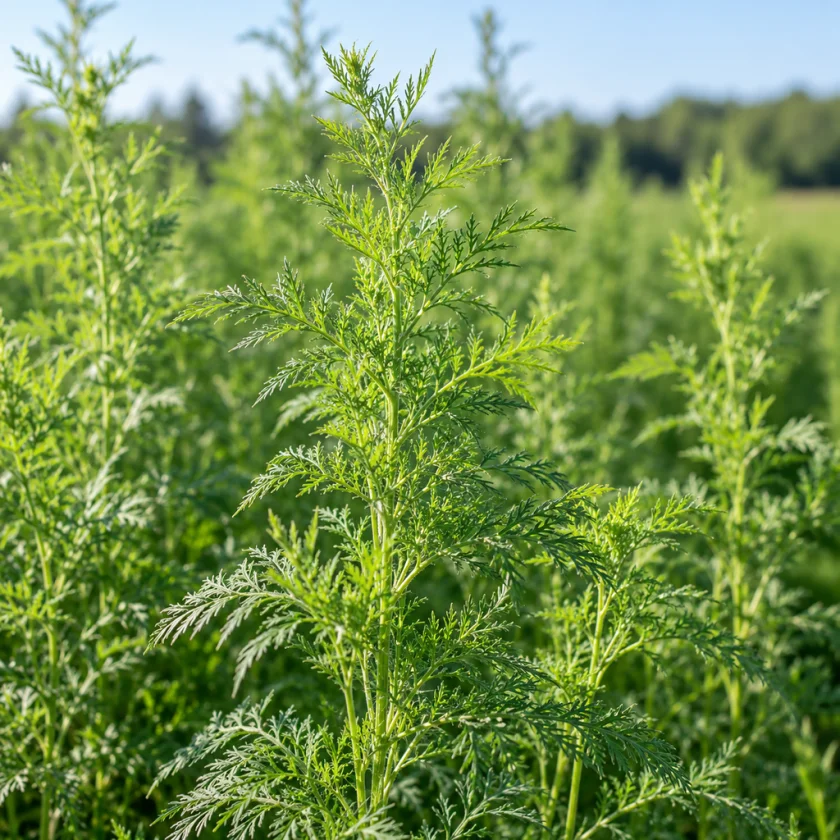
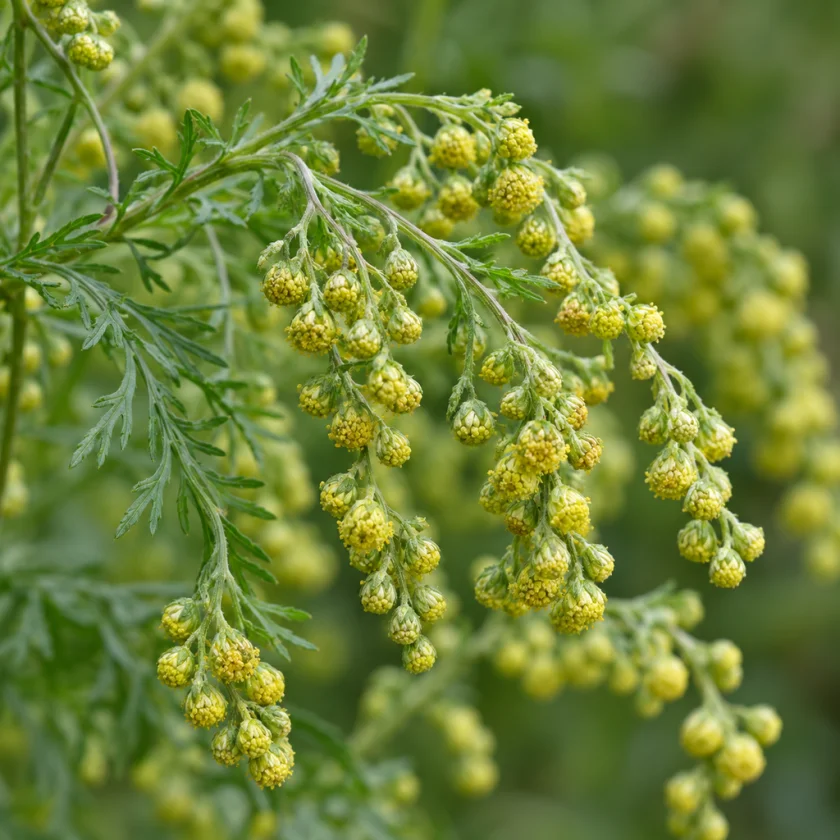
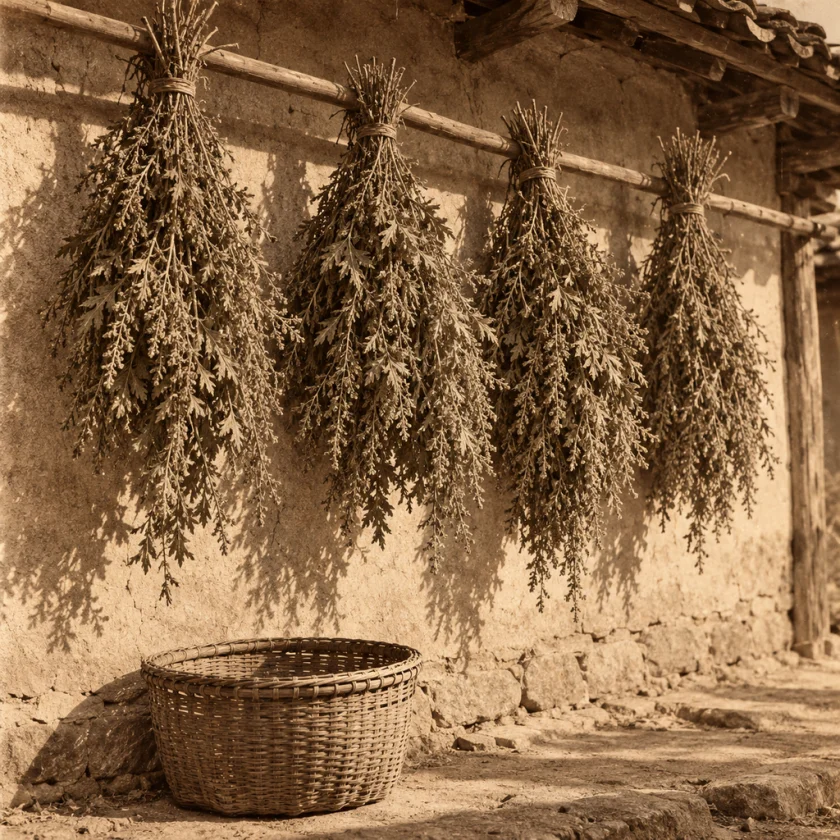
Artemisia annua — sweet wormwood, and known for centuries in China as qinghao — is one of the most important plants in the entire history of medicine. From it, scientists isolated artemisinin, the compound at the heart of the antimalarial drugs that today save hundreds of thousands of lives every year. That discovery earned a Nobel Prize, and it deserves to be celebrated. But this page has to make one distinction very clearly and very firmly, because lives depend on it: the purified, dose-controlled drug made from this plant is a frontline malaria treatment, while the raw herb, "Artemisia tea," or homemade tablets are not a safe or reliable substitute for treating malaria or any serious infection. Below we tell the true story of this remarkable plant, explain how its famous molecule works, and are honest about where the evidence is strong, where it is only preliminary, and where using the herb can do real harm.
Table of Contents
- What Artemisia annua Is (and What It Isn't)
- The Artemisinin Story: A Genuine Triumph
- The Drug Versus the Herb: The Distinction That Matters Most
- How Artemisinin Works
- Why Resistance Is the Central Concern
- Other Research on the Herb and Artemisinin
- Traditional, Culinary, and Antioxidant Aspects
- Forms, Use, and the Standardization Problem
- Safety and Cautions
- The Honest Bottom Line
- Key Research Papers
- Connections
- Featured Videos
What Artemisia annua Is (and What It Isn't)
Artemisia annua is an aromatic annual plant in the daisy family (Asteraceae), native to temperate Asia and now naturalized across much of the world. It grows quickly into a tall, feathery, fern-leaved bush with a distinctive sweet, resinous smell when crushed — which is why English speakers call it sweet wormwood or sweet Annie. In China it has been used for well over a thousand years under the name qinghao, most famously in remedies for intermittent fevers.
Because several plants share the genus name Artemisia and the common word "wormwood," it is easy to confuse them. They are genuinely different plants with different chemistry and different uses:
- Artemisia annua (sweet wormwood, qinghao) — the subject of this page, and the source of artemisinin. This is the malaria plant.
- Artemisia absinthium (wormwood) — a different, bitter perennial, historically used for digestion and as the flavoring in absinthe. It contains thujone, not artemisinin. See our separate Wormwood page.
- Artemisia vulgaris (mugwort) — another relative, used in traditional European and East Asian practice (including moxibustion). See our Mugwort page.
When you read about the "wormwood that cures malaria," the plant meant is almost always Artemisia annua. The others do not contain artemisinin and were never the source of the antimalarial drugs.
The Artemisinin Story: A Genuine Triumph
This is one of the great stories in modern medicine, and it is worth telling accurately. During the 1960s and 1970s, malaria was killing enormous numbers of people, and the parasite was becoming resistant to the standard drugs of the day, chloroquine and quinine. In China, a secret government research effort known as Project 523 set out to find new antimalarials, in part by systematically screening traditional herbal remedies.
A chemist named Tu Youyou led part of that search. Her team combed through classical Chinese medical texts and repeatedly encountered qinghao — Artemisia annua — for fevers. Early extracts were disappointing, until Tu noticed a crucial detail in a fourth-century handbook by the physician Ge Hong, which described soaking the herb in cold water and wringing out the juice, rather than boiling it. That hint suggested the active ingredient was being destroyed by heat. Switching to a low-temperature extraction, her team isolated a pure compound in 1972 that reliably killed malaria parasites. It was named artemisinin (qinghaosu).
Artemisinin and its chemical derivatives (such as artesunate, artemether, and dihydroartemisinin) turned out to be faster and more powerful than any antimalarial then available, and they worked against parasites that had grown resistant to older drugs. They became the most important antimalarial medicines in the world. In 2015, Tu Youyou was awarded the Nobel Prize in Physiology or Medicine — the first Chinese woman to win a science Nobel — for this discovery. It is a rare and genuine example of an ancient herbal tradition pointing modern science toward a specific molecule that has since saved millions of lives.
The Drug Versus the Herb: The Distinction That Matters Most
Here is the single most important thing on this page. The triumph above is a triumph of the purified, precisely dosed drug — not of drinking the plant. Modern malaria treatment uses artemisinin-based combination therapy (ACT): a controlled dose of an artemisinin derivative paired with a second, longer-acting antimalarial. ACT is the frontline, life-saving standard of care recommended worldwide.
The raw herb, an "Artemisia annua tea," or homemade capsules and tablets are a different thing entirely, and they are not an adequate or safe way to treat malaria. The World Health Organization states that it does not support the promotion or use of Artemisia plant material in any form — tea and tablets included — for the prevention or treatment of malaria (WHO (2019)). The reasons are concrete and well understood:
- The dose is uncontrolled and usually too low. The amount of artemisinin in a plant varies enormously with the variety, growing conditions, harvest time, and how the tea or tablet is prepared. A cup of tea delivers a small, unpredictable fraction of a therapeutic dose.
- Sub-therapeutic dosing lets malaria come back. An under-dosed treatment can knock the parasite down enough for a person to feel briefly better, only to relapse — sometimes into severe, life-threatening malaria — when the surviving parasites rebound.
- It actively drives drug resistance. Exposing malaria parasites to low, wavering levels of artemisinin from the plant is exactly the condition that selects for resistant parasites. That threatens not just the person drinking the tea but the effectiveness of the real drug for everyone. This is why the herb is treated as a public-health hazard, not a folk shortcut.
Malaria moves fast. The CDC Yellow Book states that suspected or confirmed malaria, especially Plasmodium falciparum, “is a medical emergency requiring urgent intervention because clinical deterioration, including death, can occur rapidly and unpredictably.” The standard treatment is prompt diagnosis and a full course of ACT. In 2016 French doctors reported two travellers who had used a non-pharmaceutical form of Artemisia annua to prevent malaria and developed severe falciparum malaria needing intensive care (Lagarce 2016). This is one of the few places on this whole site where the science is genuinely unambiguous.
How Artemisinin Works
Artemisinin's power comes from an unusual piece of chemistry: a peroxide bridge (an endoperoxide), which is a fragile "-O-O-" link built into the molecule. Most drugs do not carry a structure like this, and it is the key to how artemisinin acts.
Inside a red blood cell, the malaria parasite feeds on hemoglobin and releases large amounts of iron and heme. That iron reacts with artemisinin's peroxide bridge and rips it open, generating a burst of highly reactive free radicals. Those radicals then attack many different proteins and membranes inside the parasite more or less indiscriminately — damaging so many targets at once that the parasite cannot easily survive or adapt. In effect, the parasite's own iron-rich diet is what activates the drug that kills it, and it does so selectively where the parasite is most active. Researchers still debate some of the finer points of the mechanism, but the endoperoxide-plus-iron activation is the accepted core of how it works.
Why Resistance Is the Central Concern
Because artemisinins are so valuable, protecting them is a global priority. History gives the reason: malaria has defeated one wonder drug after another (quinine, then chloroquine, then others) whenever those drugs were used carelessly as single agents. Partial resistance to artemisinin has already emerged and spread — first documented in the Greater Mekong region of Southeast Asia, where treatments began clearing parasites more slowly than they should, and later linked to outright treatment failures when the partner drug was also weakened.
This is exactly why malaria is treated with a combination (ACT) rather than artemisinin alone: pairing it with a second drug makes it far harder for the parasite to survive and become resistant. And it is exactly why using the plant as a home remedy is so dangerous. An "Artemisia tea" is uncontrolled monotherapy at a low, fluctuating dose — the textbook recipe for breeding resistance. Undermining artemisinin would be a catastrophe, because there is no equally good replacement waiting in line.
Other Research on the Herb and Artemisinin
Beyond malaria, artemisinin and its derivatives have attracted scientific curiosity for a range of other conditions — and here we have to be careful and honest, because interest is not the same as proof.
- Cancer. The same iron-activated, radical-generating chemistry that harms malaria parasites also damages some cancer cells in the laboratory, and cancer cells are often iron-hungry. This has driven a large body of preclinical (cell and animal) research and some early human studies. It is a legitimate area of investigation, but it remains experimental; artemisinin is not an established cancer treatment.
- Other parasites and infections. Artemisinin derivatives have real, approved uses against certain parasites (for example, artemisinins are used in schistosomiasis control in some settings) and are being studied against others. These are uses of the drug under medical supervision, not endorsements of the tea.
- Inflammation and immune conditions. Some derivatives show anti-inflammatory or immune-modulating effects in laboratory models, and a few are in early clinical study. This work is preliminary.
The honest summary: for the purified compounds, there is genuine, ongoing science beyond malaria, some of it promising. For the whole herb or tea, evidence in these other areas is largely preliminary and does not support self-treatment. The cancer research described above is mostly preclinical (cell and animal studies) with some early human studies, and artemisinin is not an established cancer treatment. Using Artemisia annua to try to treat cancer, a serious infection, or any grave illness can waste the narrow window in which effective medical treatment would help.
Traditional, Culinary, and Antioxidant Aspects
In traditional Chinese medicine, qinghao was classified as a cooling herb and used chiefly for "heat" patterns and intermittent fevers — a tradition that, remarkably, pointed straight at its antimalarial value. The plant is not a culinary herb in the way basil or thyme are, but its sweet, camphor-like aroma has long made it popular in dried arrangements, wreaths, and sachets; "sweet Annie" is a familiar craft plant for exactly this reason.
Like many green aromatic plants, Artemisia annua also contains flavonoids and other antioxidant compounds, and laboratory assays of its extracts show antioxidant activity. This is unremarkable — it is true of a great many leafy plants — and it is separate from the plant's medicinal reputation, which rests entirely on artemisinin. Antioxidant activity in a test tube is not evidence that drinking the tea treats disease.
Forms, Use, and the Standardization Problem
You will see Artemisia annua sold as dried loose herb, tea bags, capsules and tablets of powdered leaf, tinctures, and standardized extracts. The pharmaceutical drugs (artesunate, artemether, dihydroartemisinin) are entirely separate, prescription products — they are not what is in a supplement bottle.
The central practical problem with the plant itself is standardization and bioavailability:
- Wildly variable content. Artemisinin makes up only a small percentage of the dried leaf, and that percentage swings dramatically between cultivars, climates, soils, and harvest timing. Two identical-looking jars can differ many-fold in strength.
- Poor solubility and absorption. Artemisinin is not very water-soluble, so a hot-water tea extracts only part of what is present, and the body absorbs it inconsistently. This is precisely the unreliability that pharmaceutical chemists engineered around when they created the water- and fat-soluble derivatives used in real medicines.
- No dependable dose. Put together, these facts mean the plant cannot deliver a predictable, therapeutic dose. That is a fatal flaw for treating a disease like malaria, where the dose has to be right.
If a person chooses to use the herb for mild traditional purposes (as an aromatic bitter, say), the standardization problem matters less. For anything that actually needs a reliable dose, the plant simply cannot provide one — which is the whole reason the isolated drug exists.
Safety and Cautions
In modest amounts, Artemisia annua herb or a light tea is generally tolerated by most healthy adults. But "generally tolerated" is not the same as "safe for treating disease," and there are real cautions:
- Malaria and serious infections. This is the most important safety point on the page: the WHO does not support Artemisia plant material in any form for preventing or treating malaria, and uncontrolled dosing risks relapse, severe disease, and the breeding of drug resistance (see the travellers' case reports above).
- Digestive and rare liver effects. Nausea, stomach upset, and diarrhea can occur. Artemisinin compounds have occasionally been associated with liver enzyme changes and, rarely, liver injury; these reports matter most for people who already have liver disease.
- Drug interactions. Artemisinin compounds can affect the liver's drug-metabolizing enzymes (the cytochrome P450 system), which means they can raise or lower blood levels of other medicines. The US FDA label for artesunate (the drug, not the herb) lists two groups: ritonavir, nevirapine and strong UGT-enzyme inducers (such as rifampin, carbamazepine and phenytoin) may lower blood levels of its active form, dihydroartemisinin, and so reduce its antimalarial effect; strong UGT inhibitors (such as axitinib, vandetanib, imatinib and diclofenac) may raise those levels and increase side effects. These label facts are for the drug artesunate, not for the herb.
- Pregnancy. Two separate concerns are raised for pregnancy. First, Artemisia species have a long traditional reputation as emmenagogues (agents thought to stimulate the uterus). Second, and more concretely, artemisinin compounds have shown embryotoxicity in early-pregnancy animal studies, which is why malaria guidance has recommended quinine with clindamycin instead of artemisinins in the first trimester (as Saito 2023 describes). For the artemisinin drugs, the newer human record differs: a 2023 Lancet analysis of 737 first-trimester exposures found no evidence of embryotoxicity or birth defects and favoured artemether-lumefantrine for uncomplicated malaria in the first trimester (Saito 2023), and the US FDA label for artesunate reports that over 1,300 first-trimester exposures have not shown an increase in birth defects or miscarriage, while untreated severe malaria in pregnancy carries serious risks to mother and baby. There is no safety data on the herb itself in pregnancy.
- Allergy. As a member of the daisy/ragweed family (Asteraceae), it can trigger reactions in people sensitive to that family.
The Honest Bottom Line
Artemisia annua is a plant of enormous medical importance — but that importance flows almost entirely through the purified drug artemisinin, not through the leaf in a cup. The discovery of artemisinin is a real scientific triumph worth celebrating, and artemisinin-based combination therapy is a frontline treatment that saves lives every day. At the same time, the raw herb, tea, or homemade tablets cannot deliver a reliable dose for treating malaria or any serious disease, and the WHO does not support Artemisia plant material in any form for preventing or treating malaria. Uncontrolled dosing risks treatment failure, dangerous relapse, and the spread of resistance that could blunt one of medicine's best tools. The plant's lasting gift is the artemisinin drugs, given as artemisinin-based combination therapy after a malaria diagnosis.
Key Research Papers
- Tu Y. The discovery of artemisinin (qinghaosu) and gifts from Chinese medicine. Nature Medicine. 2011;17(10):1217–1220. — Tu Youyou's own account of how Artemisia annua and an ancient text led to artemisinin. — doi:10.1038/nm.2471
- Tu Y. Artemisinin—a gift from traditional Chinese medicine to the world (Nobel Lecture). Angewandte Chemie International Edition. 2016;55(35):10210–10226. — the Nobel lecture describing the discovery and its impact. — doi:10.1002/anie.201601967
- Meshnick SR. Artemisinin: mechanisms of action, resistance and toxicity. International Journal for Parasitology. 2002;32(13):1655–1660. — explains the endoperoxide/iron mechanism and early resistance concerns. — doi:10.1016/S0020-7519(02)00194-7
- Wang J, Zhang C, Chia WN, et al. Haem-activated promiscuous targeting of artemisinin in Plasmodium falciparum. Nature Communications. 2015;6:10111. — shows heme activates artemisinin to damage hundreds of parasite proteins. — doi:10.1038/ncomms10111
- Nosten F, White NJ. Artemisinin-based combination treatment of falciparum malaria. American Journal of Tropical Medicine and Hygiene. 2007;77(6 Suppl):181–192. — the rationale for pairing artemisinin with a partner drug (ACT). — doi:10.4269/ajtmh.2007.77.181
- White NJ. Qinghaosu (artemisinin): the price of success. Science. 2008;320(5874):330–334. — warns how monotherapy and poor-quality products threaten artemisinin's future. — doi:10.1126/science.1155165
- Dondorp AM, Nosten F, Yi P, et al. Artemisinin resistance in Plasmodium falciparum malaria. New England Journal of Medicine. 2009;361(5):455–467. — the first clear documentation of artemisinin resistance, in the Mekong region. — doi:10.1056/NEJMoa0808859
- Ashley EA, Dhorda M, Fairhurst RM, et al. Spread of artemisinin resistance in Plasmodium falciparum malaria. New England Journal of Medicine. 2014;371(5):411–423. — maps the geographic spread of slower parasite clearance across Asia. — doi:10.1056/NEJMoa1314981
- van der Pluijm RW, Imwong M, Chau NH, et al. Determinants of dihydroartemisinin-piperaquine treatment failure in Plasmodium falciparum malaria in Cambodia, Thailand, and Vietnam. The Lancet Infectious Diseases. 2019;19(9):952–961. — shows how resistance can translate into real treatment failures. — doi:10.1016/S1473-3099(19)30391-3
- de Ridder S, van der Kooy F, Verpoorte R. Artemisia annua as a self-reliant treatment for malaria in developing countries. Journal of Ethnopharmacology. 2008;120(3):302–314. — a balanced review of the "herbal tea" idea and its dosing and resistance pitfalls. — doi:10.1016/j.jep.2008.09.017
- Efferth T. From ancient herb to modern drug: Artemisia annua and artemisinin for cancer therapy. Seminars in Cancer Biology. 2017;46:65–83. — reviews the preclinical, still-experimental cancer research on artemisinin. — doi:10.1016/j.semcancer.2017.02.009
- Saito M, McGready R, Tinto H, et al. Pregnancy outcomes after first-trimester treatment with artemisinin derivatives versus non-artemisinin antimalarials: a systematic review and individual patient data meta-analysis. The Lancet. 2023;401(10371):118–130. — 34,178 pregnancies, 737 with first-trimester artemisinin exposure; no evidence of embryotoxicity or teratogenicity. — doi:10.1016/S0140-6736(22)01881-5
- Lagarce L, Lerolle N, Asfar P, et al. A non-pharmaceutical form of Artemisia annua is not effective in preventing Plasmodium falciparum malaria. Journal of Travel Medicine. 2016;23(5). — two French travellers with severe malaria needing intensive care after non-pharmaceutical A. annua prophylaxis. — doi:10.1093/jtm/taw049
- Clark RL. Embryotoxicity of the artemisinin antimalarials and potential consequences for use in women in the first trimester. Reproductive Toxicology. 2009;28(3):285–296. — the basis for caution about artemisinins in early pregnancy. — doi:10.1016/j.reprotox.2009.05.002
Connections
- All Herbs
- Tu Youyou — the Nobel laureate who extracted artemisinin from this plant
- Artemisia in the Gerson Therapy — tarragon, wormwood and cancer-causing parasites
- Malaria
- Parasites (Overview)
- Wormwood (Artemisia absinthium)
- Mugwort (Artemisia vulgaris)
- Neem
- Antibacterial Herbs
- Antioxidants
- Malaria — the infectious-disease condition page: diagnosis, severe-malaria warning signs, and the ACT regimens that artemisinin tea cannot substitute for.
- Nhan Tran (Adenosma caeruleum) — a further Artemisia mix-up worth knowing: Artemisia capillaris (yin chen hao) is translated and sold as Vietnamese nhân trần, and owns nearly all the liver research popularly credited to the unrelated Adenosma in most Vietnamese teabags.
- Satoshi Ômura — Tu Youyou's 2015 co-laureate, honored for ivermectin