Chickpeas: Gut Bacteria, Gas, Antinutrients, Cooking and Safety
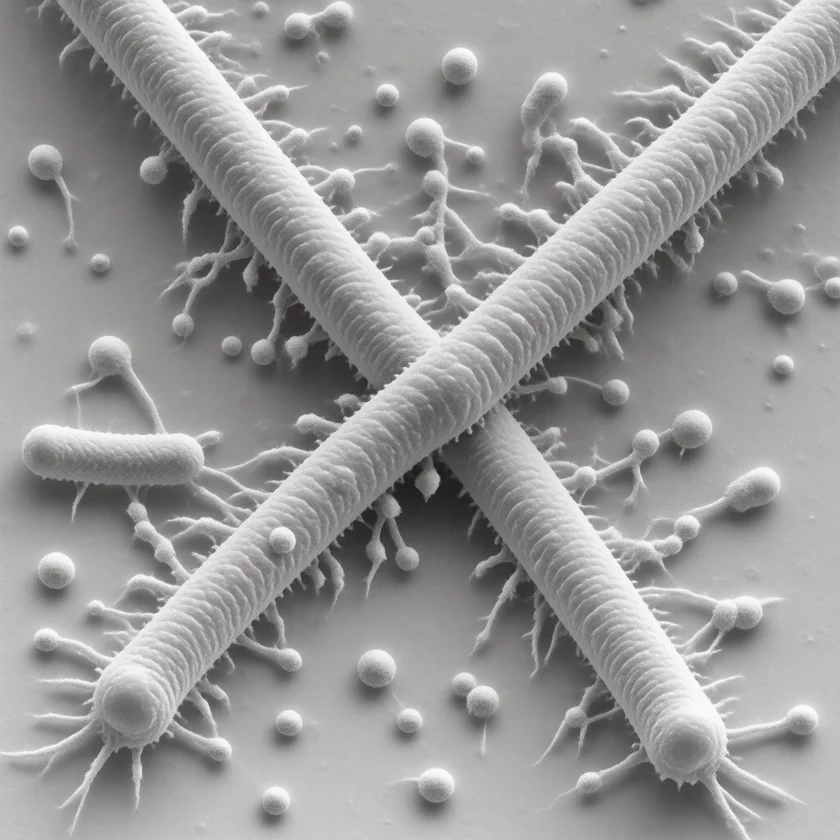
Everything that makes a chickpea good for the gut is also what makes it notorious for gas, and the two cannot be separated: the fibre, resistant starch and raffinose-family sugars that human enzymes cannot digest travel to the colon, where bacteria ferment them into short-chain fatty acids and hydrogen. A three-week crossover trial found that 200 g of canned chickpeas a day increased Faecalibacterium prausnitzii, one of the gut's most valued butyrate producers. Feeding studies also find that fewer than half of people notice more wind in the first week of eating beans daily, and that it fades. The "antinutrients" — phytate, lectins, trypsin inhibitors — are real chemistry that soaking and boiling largely deal with, and canned chickpeas arrive already cooked. Chickpea allergy is uncommon in the West and well documented in India; the low-FODMAP diet for irritable bowel syndrome allows small servings of canned chickpeas. This article covers each of those in turn, with the amounts, the trials, and the kitchen steps that change the outcome.
Table of Contents
- What Reaches the Colon
- The Gut Bacteria Trial
- Bowel Function in the Feeding Trials
- Gas: Why, How Much, and How Long It Lasts
- Soaking, Cooking and Rinsing the Gas Away
- Lectins, Trypsin Inhibitors and Why Cooking Matters
- Phytate and Mineral Absorption
- Canned Versus Dried
- Aquafaba
- Chickpea Allergy
- FODMAPs and Irritable Bowel Syndrome
- Who Should Be Careful
- Key Research Papers
- Connections
- Featured Videos
What Reaches the Colon
By USDA FoodData Central figures, 100 g of boiled chickpeas carries 27.4 g of carbohydrate, of which 7.6 g is dietary fibre. Beyond the labelled fibre, a further fraction of the starch escapes digestion as resistant starch, and the bean also holds a family of short sugar chains — raffinose, stachyose and verbascose, collectively the raffinose-family oligosaccharides — that no human enzyme can split. All of it passes the small intestine intact and arrives in the colon, where trillions of bacteria can do what we cannot.
What they make from it is short-chain fatty acids — chiefly acetate, propionate and butyrate — plus hydrogen, carbon dioxide and, in some people, methane. Butyrate is the main fuel of the cells lining the colon and is associated with a healthy, tight gut barrier; propionate is absorbed and reaches the liver; acetate circulates. The gases are the price of the fermentation. The microbiome pages cover this ecosystem in more depth; what follows is what has actually been measured with chickpeas.
The Gut Bacteria Trial
There is exactly one human trial that fed chickpeas and sequenced the stool, and it is a good one to know in detail.
Fernando and colleagues, 2010 (randomised crossover, 12 healthy adults aged 18–65, three-week periods). Participants ate their usual diet plus soups and desserts that were either unfortified, fortified with 200 g a day of canned chickpeas, or fortified with 5 g a day of pure raffinose — the chickpea's main oligosaccharide, tested alone to see whether it explained the effect. Faecal bacteria were profiled by 16S rRNA methods.
Two findings. First, Faecalibacterium prausnitzii was more abundant on both the chickpea and the raffinose diets than on the control diet. F. prausnitzii is among the most abundant bacteria in a healthy adult colon, an efficient butyrate producer, and is typically depleted in inflammatory bowel disease; an intervention that raises it is generally read as favourable. That raffinose alone did the same thing points to the oligosaccharides as the active fraction. Second, and reported equally plainly, total faecal short-chain fatty acids did not change significantly, nor did butyrate, acetate or propionate individually. So the bacterial community shifted but its measurable output in stool did not — possibly because short-chain fatty acids are absorbed before they reach the stool, possibly because three weeks and twelve people are not enough to see it.
This is a pilot-scale result, not a proven benefit. It is consistent with a prebiotic effect and it identifies the mechanism, and that is as far as the evidence goes.
Bowel Function in the Feeding Trials
The Tasmanian chickpea trials asked participants about their bowels alongside measuring their cholesterol.
In Pittaway 2007 (randomised crossover, controlled diet, 5 weeks per period), perceived general bowel health improved significantly during the chickpea diet, with the authors noting "considerable individual variation". In Murty 2010 (42 participants, 12 weeks of an average 104 g of chickpeas a day, sandwiched between 4-week habitual-diet periods), perceived bowel function was assessed on visual analogue scales and improved during the chickpea phase; focus-group discussion afterwards found that better bowel habit was one of the benefits participants themselves named, alongside feeling fuller.
These are self-reported outcomes, which is the weakest kind of measurement, but they are what people actually experience: an extra 7 g of fibre a day, much of it insoluble bulk, produces softer, more regular stools in most people within a week or two. The improvement is greatest in those who started with the least fibre.
Gas: Why, How Much, and How Long It Lasts
The raffinose-family oligosaccharides are the reason beans have a reputation. Humans lack the enzyme alpha-galactosidase that would break them down in the small intestine, so they reach the colon unchanged and are fermented rapidly, producing hydrogen and carbon dioxide. The amount in chickpeas varies with variety, soaking and cooking.
The best data on how much this actually bothers people come from Winham and Hutchins, 2011, who pooled the flatulence questionnaires from three separate eight-week feeding studies in which adults ate half a cup of pinto beans, baked beans or black-eyed peas every day. Fewer than half of participants reported increased flatulence in the first week of the pinto and baked-bean studies, and only 19% did with black-eyed peas. The proportion fell over the following weeks, and by the end of the study most reported no difference. Strikingly, 3–11% reported more gas even on the control diets that contained no beans at all — a reminder that expectation plays a part.
Those studies were on beans rather than chickpeas, but the fermentable fraction is the same family of sugars and there is no reason to expect chickpeas to behave differently. The practical points:
- Most people notice something in week one and little by week three or four. The colon's bacterial population adapts to a regular supply of oligosaccharides.
- Start with a quarter to half a cup a day and increase gradually rather than jumping to a cup.
- The gas is a by-product of exactly the fermentation that feeds F. prausnitzii and produces butyrate. It is inconvenient, not harmful.
- Alpha-galactosidase enzyme drops taken with the meal do what the small intestine cannot and reduce gas for people who want the beans without the adaptation period.
Soaking, Cooking and Rinsing the Gas Away
The oligosaccharides are water-soluble, which is why traditional cooking removes a share of them. Han and Baik, 2006, measured the raffinose-family sugar content of a range of legumes and their reduction by soaking, by cooking, and by two industrial methods, ultrasound and high hydrostatic pressure. The kitchen lesson is the one cooks have always known: the sugars dissolve into the soaking and cooking water, so discarding that water takes part of the gas with it. The trade-off is that the same water carries away some of the water-soluble B vitamins and minerals, so a stew that keeps its liquid keeps more nutrients and more oligosaccharides, and a rinsed, drained bean keeps fewer of both.
The kitchen rules that follow:
- Soak dried chickpeas 8–12 hours, or overnight, in plenty of water, then discard the soaking water and cook in fresh water. A pinch of baking soda in the soak speeds softening and slightly increases oligosaccharide loss.
- Cook thoroughly — 1–2 hours simmering, or 15–25 minutes at pressure. Firm-tender is the target.
- Rinse canned chickpeas under running water. The canning liquid holds dissolved oligosaccharides as well as salt and starch; pouring it away takes both. (If you want the liquid for aquafaba, see below — it is a trade-off.)
- Sprouting dried chickpeas for two to three days before cooking activates the seed's own enzymes, which break down some of the oligosaccharides and phytate. Sprouted chickpeas still need to be cooked.
None of this removes the fibre or the resistant starch, which are not water-soluble, so the gut benefits survive the gas-reduction steps.
Lectins, Trypsin Inhibitors and Why Cooking Matters
Raw legume seeds defend themselves with proteins that interfere with digestion. Lectins bind to the lining of the gut and, in high enough dose, cause nausea, vomiting and diarrhoea within hours. Trypsin inhibitors block a key protein-digesting enzyme. Both are proteins, and both are destroyed by heat.
The cautionary tale belongs to a different bean. Between 1976 and 1989, 50 incidents of suspected red kidney bean poisoning were reported in the UK; the lectin phytohaemagglutinin was confirmed in the beans in nine of them and diagnosed on symptoms and history in 23 more. In almost every case the beans had been eaten raw, soaked but uncooked, or cooked at too low a temperature — slow cookers that never reached the boil were a recurring culprit. The authors' conclusion was the whole lesson: the lectin "is inactivated by thorough cooking of well soaked beans".
Chickpeas carry far less lectin activity than red kidney beans and are not associated with poisoning outbreaks, but the same rule applies for the trypsin inhibitors and for general digestibility. Boil dried chickpeas properly; do not eat them raw or merely soaked. Sprouted chickpeas, popular in salads, should still be cooked. Canned chickpeas have been heat-processed under pressure and are safe straight from the can. Chickpea flour used in baking or fried into falafel reaches temperatures that destroy both proteins; raw chickpea-flour batter is the one form to avoid tasting.
Cooking also improves protein quality: the 2020 study of thermal processing methods described in the protein article found that boiled, baked and extruded chickpeas all scored in the "good" range for digestible protein, whereas raw pulse protein is poorly digested largely because of these inhibitors.
Phytate and Mineral Absorption
Phytic acid (phytate) is the form in which seeds store phosphorus. It binds iron, zinc, calcium and magnesium in the gut and carries a share of them out unabsorbed. Chickpeas, like all pulses and whole grains, contain it — and it is the reason the impressive-looking iron figure for chickpeas (2.89 mg per 100 g, 4.7 mg per cup by USDA figures) delivers less to the blood than the same amount of iron from meat.
How much less depends on the meal. Hurrell and Egli, 2010, reviewing the iron-absorption literature for the World Health Organization's reference-value work, put phytate at the top of the list of inhibitors of non-haem iron absorption, with the effect dose-dependent and strongest in meals without meat or vitamin C. Schlemmer and colleagues, 2009, in the standard review of phytate in foods, note that phytate also has a protective side — it inhibits kidney-stone formation and may lower blood glucose and lipids — and that it is substantially degraded by the processing steps below. Sandberg, 2002, reviewing mineral bioavailability specifically in legumes, reached the same balance: real inhibition, real mitigation.
What reduces phytate in chickpeas:
- Soaking removes a modest amount. In a 2014 study of chickpea, mung bean and cowpea sprouts, soaking cut phytate phosphorus by 5–16%.
- Germination (sprouting for 36–60 hours in the case of chickpeas) activates the seed's phytase enzyme and cut phytate phosphorus by 26–46% in the same study, while also raising vitamin C, which itself improves iron absorption.
- Pressure cooking the sprouts cut a further 18% in chickpeas.
- Fermentation (as in traditional fermented chickpea batters) degrades phytate further still.
What overcomes it at the table: vitamin C in the same meal. Lemon juice in hummus, tomatoes in a chickpea stew, peppers in a chickpea salad — the classic pairings all supply it, and vitamin C converts iron to the more absorbable form and partly counteracts phytate. A small amount of meat or fish in the meal does the same. For most people eating a varied diet, phytate is not a problem worth worrying about; for someone relying heavily on pulses and grains for iron and zinc — strict vegetarians, menstruating women, growing children — the soaking, sprouting and vitamin C steps are worth building into the routine. The iron and zinc pages cover absorption in more detail.
Canned Versus Dried
Nutritionally the two are close. Canning is a thorough pressure-cook, so canned chickpeas have had their lectins and trypsin inhibitors destroyed, a share of their oligosaccharides dissolved into the liquid, and some B vitamins lost — the same things that happen on the stove. Most of the human trials on this page used canned chickpeas and got the results they got.
The differences that matter:
- Salt. Chickpeas boiled without salt have 7 mg of sodium per 100 g. Canned chickpeas have salt added to the brine. Draining and rinsing removes a substantial share of it; the 2011 study of canned beans measured the sodium after draining and after draining plus rinsing, and both steps reduce it compared with the beans as packed. "No salt added" cans avoid the issue.
- Cost. Dried chickpeas cost a fraction of canned per cooked cup, and a batch cooked at the weekend freezes well in portions.
- Texture and control. Home-cooked chickpeas can be stopped at firm-tender, which keeps the glycaemic response lower and the bean intact for salads; canned tend toward soft.
- Convenience. A can is a meal in ten minutes, and that convenience is the reason many people eat chickpeas at all. A rinsed can is a good food.
Aquafaba
The viscous liquid left in a can of chickpeas — or in the pot after cooking dried ones — is aquafaba. It contains proteins, starches and saponins that have leached from the beans, and whipped it behaves remarkably like egg white: it foams, holds air, and sets when baked. It has become a standard egg replacer in vegan meringues, mousses and mayonnaise. A 2023 study of aquafaba from a Spanish chickpea variety characterised its foaming and emulsifying properties and produced acceptable egg-free baked meringues from it; the foam is stabilised largely by the proteins and saponins.
Three practical notes. Aquafaba from a can is fully cooked and safe to eat as it is. It carries whatever salt the can carried, so unsalted cans or home-cooked liquid are better for sweet uses. And it holds the dissolved oligosaccharides that rinsing would have removed — a person who is sensitive to bean gas should treat aquafaba dishes as they would treat beans.
Chickpea Allergy
Chickpea is not among the priority allergens that must be labelled in most Western countries, but it is a genuine, sometimes severe food allergen, and it is common where chickpeas are a staple.
Patil and colleagues, 2001 (Mumbai). Of 1,400 patients screened at an allergy clinic, 142 gave a history of reacting to some food and 59 of those implicated chickpeas. Forty-one were skin-test positive and 31 were confirmed by double-blind placebo-controlled food challenge — the gold standard. The predominant symptoms were respiratory (asthma and rhinitis) rather than the hives-and-swelling picture more usual with food allergy. The allergens were proteins of 70, 64, 35 and 26 kDa.
Hildebrand and colleagues, 2021 (scoping review, 47 studies). Reviewing everything published on allergy to chickpea, pea, lentil and lupin, the authors found most studies were prevalence surveys from Europe, with others from Asia and North America; that these "non-priority" legumes are frequently implicated in severe reactions; and that almost nothing had been studied about labelling or public education. Cross-reactivity within the legume family is common: someone allergic to lentils or peas has a meaningful chance of reacting to chickpeas, and peanut-allergic people occasionally do, though most peanut-allergic people tolerate other legumes.
The picture for a reader: if you have ever reacted to chickpeas, lentils, peas or lupin (found in some flours and baked goods), take chickpeas seriously and be tested; if you have peanut allergy, most people can eat chickpeas but it is a reasonable thing to check. Symptoms can include wheeze and nasal congestion, not only rash or swelling. There is no evidence that cooking removes chickpea allergenicity.
FODMAPs and Irritable Bowel Syndrome
The raffinose-family oligosaccharides that feed good bacteria and cause gas in everyone cause pain, bloating and altered bowel habit in people with irritable bowel syndrome, whose guts are hypersensitive to the stretch that fermentation gas produces. They are the "O" in FODMAP — fermentable oligo-, di-, monosaccharides and polyols — the group of short-chain carbohydrates restricted in the low-FODMAP diet.
Halmos and colleagues, 2014 (randomised controlled crossover, 30 IBS patients and 8 healthy controls, Monash University). All food was provided. On the low-FODMAP diet, IBS patients' overall gut symptom score fell to 22.8 mm on a 100 mm scale, against 44.9 mm on a typical Australian diet (P < 0.001); bloating, pain and wind were all reduced, and every IBS subtype reported better stool consistency. Healthy controls felt no difference on either diet. This is the trial that established the diet.
Where chickpeas fit: Tuck and colleagues, 2018, analysing FODMAP content across plant-based foods, found that of the processing techniques studied, canning produced among the greatest reductions in FODMAP content, because the oligosaccharides dissolve into the discarded liquid. That is the basis for the Monash low-FODMAP guidance that a small serving of canned, rinsed chickpeas (about a quarter of a cup) is tolerated by most people with IBS, whereas larger portions and home-cooked dried chickpeas, which keep more of their oligosaccharides, are not. Hummus in small amounts is likewise usually tolerated.
For someone with IBS, then: canned and rinsed, a quarter-cup to start, built up slowly if tolerated; and the low-FODMAP diet is a short-term diagnostic tool, not a permanent way of eating — its own developers reintroduce foods after 4–8 weeks precisely because the oligosaccharides it removes are the ones the microbiome needs.
Who Should Be Careful
Anyone with a diagnosed legume allergy — avoid chickpeas and anything containing chickpea flour (besan, gram flour, many gluten-free products, falafel) unless an allergist has cleared them.
People with IBS or another functional gut disorder — canned and rinsed, small portions, build slowly; consider alpha-galactosidase drops.
People with iron-deficiency anaemia or marginal zinc status who rely on plant sources — soak, sprout or ferment where practical, and always pair with vitamin C; chickpeas are a good iron source only when eaten that way.
People with gout sometimes ask about purines in pulses. Pulses are moderate in purines, and the cohort evidence does not link plant-source purines to gout attacks the way it links meat and seafood; there is no reason for someone with gout to avoid chickpeas.
People who have never eaten many pulses — the first two weeks are the hardest, and almost everyone adapts. The gas is fermentation, and fermentation is the point.
Everyone cooking dried chickpeas — soak, discard the water, and boil properly. Do not rely on a slow cooker's "low" setting alone; bring them to the boil first.
Key Research Papers
Author names, titles and journals are plain text; only the PMID or DOI is a link. Every identifier below was checked against PubMed or Crossref before publication.
- Fernando WM, Hill JE, Zello GA, Tyler RT, Dahl WJ, Van Kessel AG (2010). Diets supplemented with chickpea or its main oligosaccharide component raffinose modify faecal microbial composition in healthy adults. Beneficial Microbes. — PubMed PMID: 21831757
- Birt DF, Boylston T, Hendrich S, Jane JL, et al (2013). Resistant starch: promise for improving human health. Advances in Nutrition. — PubMed PMID: 24228189
- Pittaway JK, Ahuja KD, Robertson IK, Ball MJ (2007). Effects of a controlled diet supplemented with chickpeas on serum lipids, glucose tolerance, satiety and bowel function. Journal of the American College of Nutrition. — PubMed PMID: 17906185
- Murty CM, Pittaway JK, Ball MJ (2010). Chickpea supplementation in an Australian diet affects food choice, satiety and bowel health. Appetite. — PubMed PMID: 19945492
- Winham DM, Hutchins AM (2011). Perceptions of flatulence from bean consumption among adults in 3 feeding studies. Nutrition Journal. — PubMed PMID: 22104320
- Han IH, Baik B (2006). Oligosaccharide Content and Composition of Legumes and Their Reduction by Soaking, Cooking, Ultrasound, and High Hydrostatic Pressure. Cereal Chemistry. — doi:10.1094/CC-83-0428
- Rodhouse JC, Haugh CA, Roberts D, Gilbert RJ (1990). Red kidney bean poisoning in the UK: an analysis of 50 suspected incidents between 1976 and 1989. Epidemiology and Infection. — PubMed PMID: 2249712
- Nosworthy MG, Medina G, Franczyk AJ, Neufeld J, et al (2020). Thermal processing methods differentially affect the protein quality of Chickpea (Cicer arietinum). Food Science & Nutrition. — PubMed PMID: 32566213
- Hurrell R, Egli I (2010). Iron bioavailability and dietary reference values. The American Journal of Clinical Nutrition. — PubMed PMID: 20200263
- Schlemmer U, Frølich W, Prieto RM, Grases F (2009). Phytate in foods and significance for humans: food sources, intake, processing, bioavailability, protective role and analysis. Molecular Nutrition & Food Research. — PubMed PMID: 19774556
- Sandberg AS (2002). Bioavailability of minerals in legumes. The British Journal of Nutrition. — PubMed PMID: 12498628
- Bains K, Uppal V, Kaur H (2014). Optimization of germination time and heat treatments for enhanced availability of minerals from leguminous sprouts. Journal of Food Science and Technology. — PubMed PMID: 24803714
- Duyff RL, Mount JR, Jones JB (2011). Sodium Reduction in Canned Beans After Draining, Rinsing. Journal of Culinary Science & Technology. — doi:10.1080/15428052.2011.582405
- Fuentes Choya P, Combarros-Fuertes P, Abarquero Camino D, Renes Bañuelos E, et al (2023). Study of the Technological Properties of Pedrosillano Chickpea Aquafaba and Its Application in the Production of Egg-Free Baked Meringues. Foods. — PubMed PMID: 36832975
- Patil SP, Niphadkar PV, Bapat MM (2001). Chickpea: a major food allergen in the Indian subcontinent and its clinical and immunochemical correlation. Annals of Allergy, Asthma & Immunology. — PubMed PMID: 11527247
- Hildebrand HV, Arias A, Simons E, Gerdts J, et al (2021). Adult and Pediatric Food Allergy to Chickpea, Pea, Lentil, and Lupine: A Scoping Review. The Journal of Allergy and Clinical Immunology: In Practice. — PubMed PMID: 33166732
- Halmos EP, Power VA, Shepherd SJ, Gibson PR, Muir JG (2014). A diet low in FODMAPs reduces symptoms of irritable bowel syndrome. Gastroenterology. — PubMed PMID: 24076059
- Tuck C, Ly E, Bogatyrev A, Costetsou I, et al (2018). Fermentable short chain carbohydrate (FODMAP) content of common plant-based foods and processed foods suitable for vegetarian- and vegan-based eating patterns. Journal of Human Nutrition and Dietetics. — PubMed PMID: 29473657
PubMed Topic Searches
Connections
- All Food
- Chickpeas
- Chickpea Benefits: What the Evidence Actually Shows
- Chickpeas: Nutrient Profile
- Chickpeas, Blood Sugar and Glycaemic Control
- Chickpea Protein, Fibre and Satiety
- Chickpeas, Cholesterol and Blood Pressure
- Lentils
- Beans
- Gut Health
- Microbiome
- Irritable Bowel Syndrome
- Iron
- Zinc
- Vitamin C