⚠ Evidence warning: Clinical trials or other evidence do not support the claims that black tea, chamomile and calendula compresses, honey drops and an anti-inflammatory diet ease pink eye. This page keeps it as a report of what people, websites or other media say.
Conjunctivitis (Pink Eye)
- Overview and Definition
- Types of Conjunctivitis
- Causes and Risk Factors
- Symptoms
- Diagnosis
- Treatment
- Natural and Home Remedies
- When It Is Contagious
- Complications
- Prevention
- Key Research Papers
- Connections
Overview and Definition
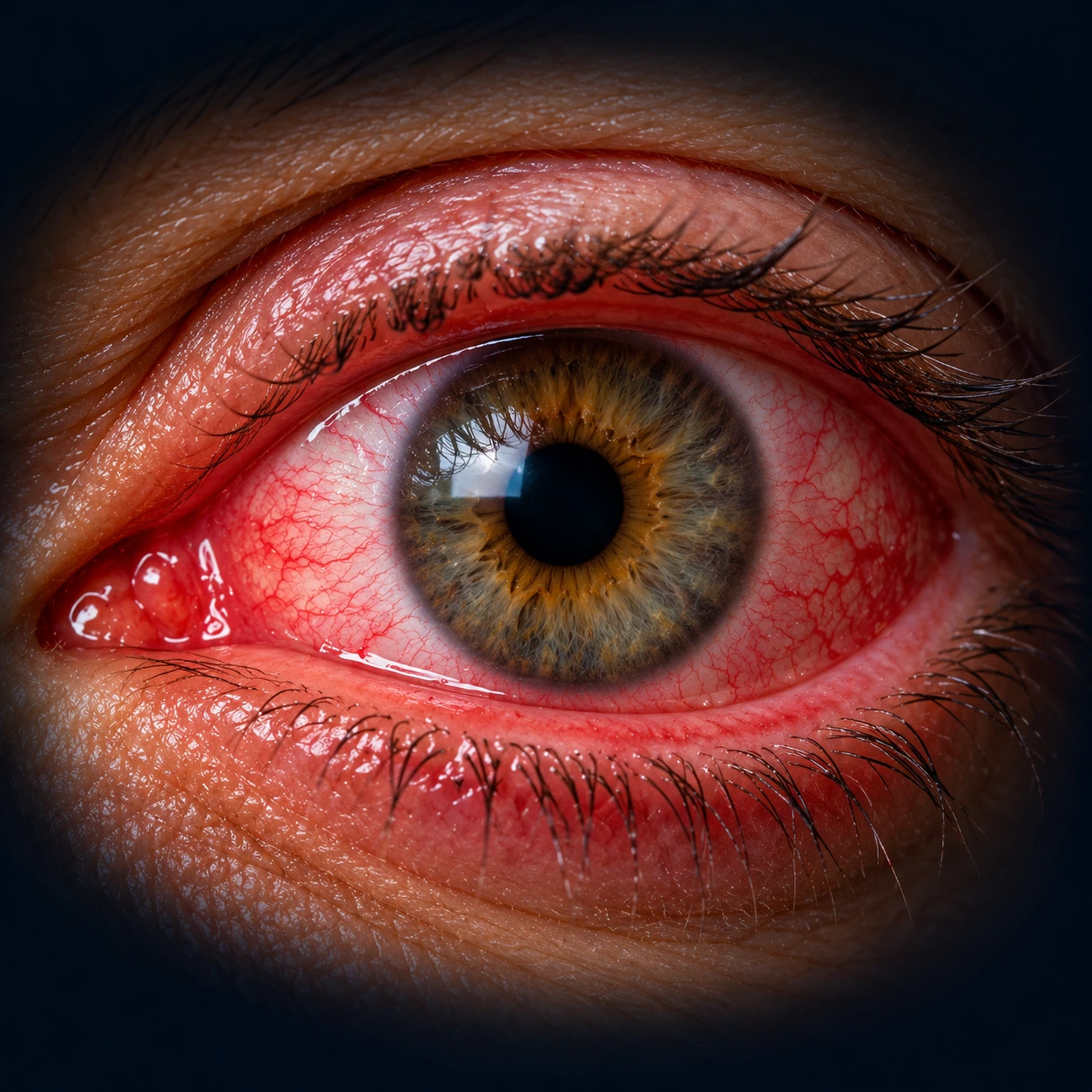
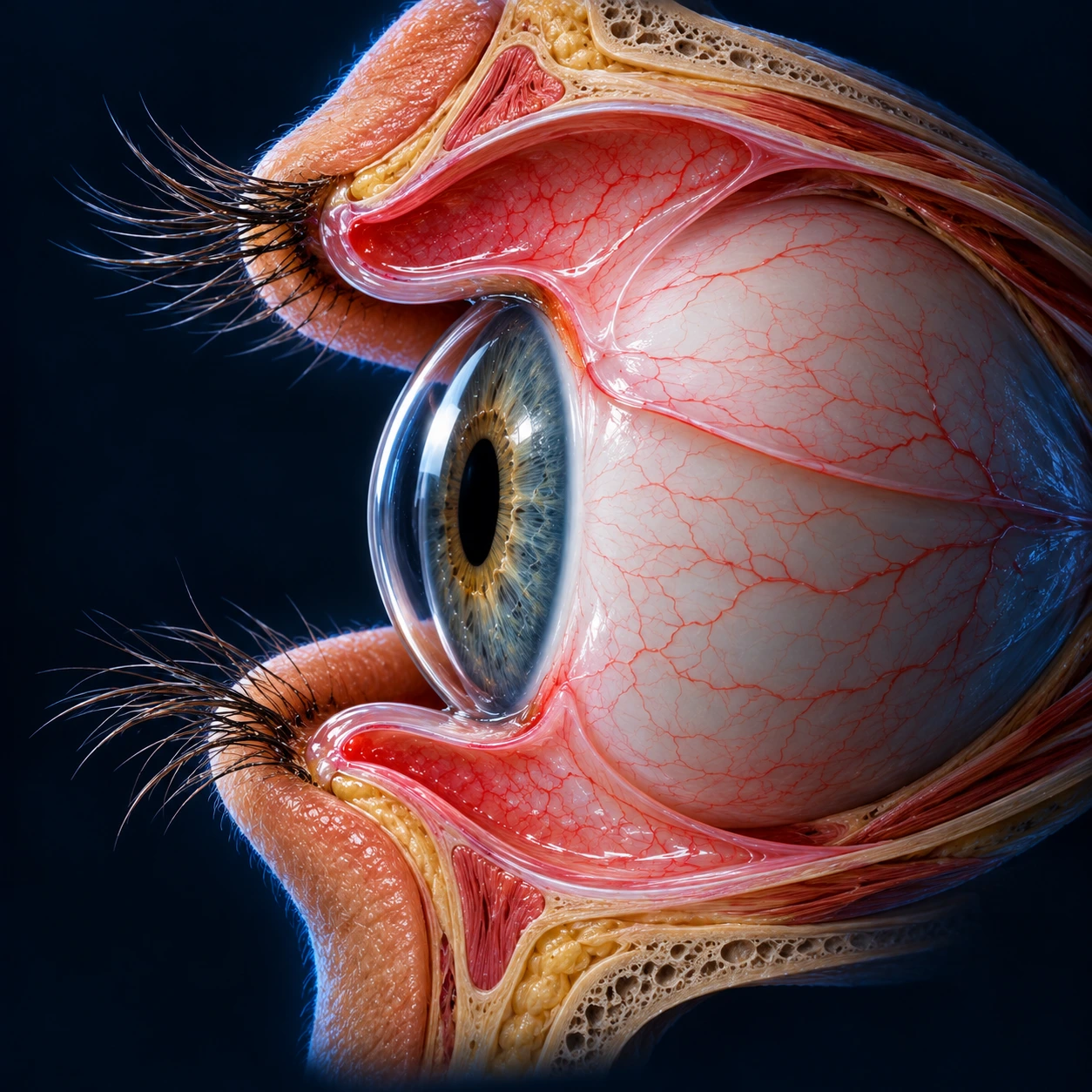
Conjunctivitis is inflammation of the conjunctiva — the thin, transparent membrane that lines the inner surface of the eyelids and covers the white part of the eyeball (the sclera). When this delicate tissue becomes inflamed, the tiny blood vessels within it dilate and become more visible, causing the characteristic red or pink coloring that gives the condition its popular name: pink eye.
The conjunctiva serves two important functions: it keeps the eye moist by producing mucus, and it helps protect against infection by providing a physical barrier. When bacteria, viruses, allergens, or chemical irritants breach this barrier or trigger an immune response, conjunctivitis develops.
Conjunctivitis is one of the most common eye conditions worldwide. In the United States alone, it accounts for approximately 1% of all primary care visits and generates an estimated 6 million cases each year. It affects people of all ages, from newborns to the elderly, and while it is rarely vision-threatening in healthy adults, it can spread rapidly in schools, workplaces, and households.
The good news is that most cases resolve on their own or with simple treatment within one to two weeks. The type matters: viral conjunctivitis is managed with rest and supportive care, bacterial conjunctivitis may benefit from antibiotic eye drops, allergic conjunctivitis is managed with antihistamines and less exposure to triggers, and neonatal conjunctivitis can be sight-threatening and is treated as urgent.
Types of Conjunctivitis
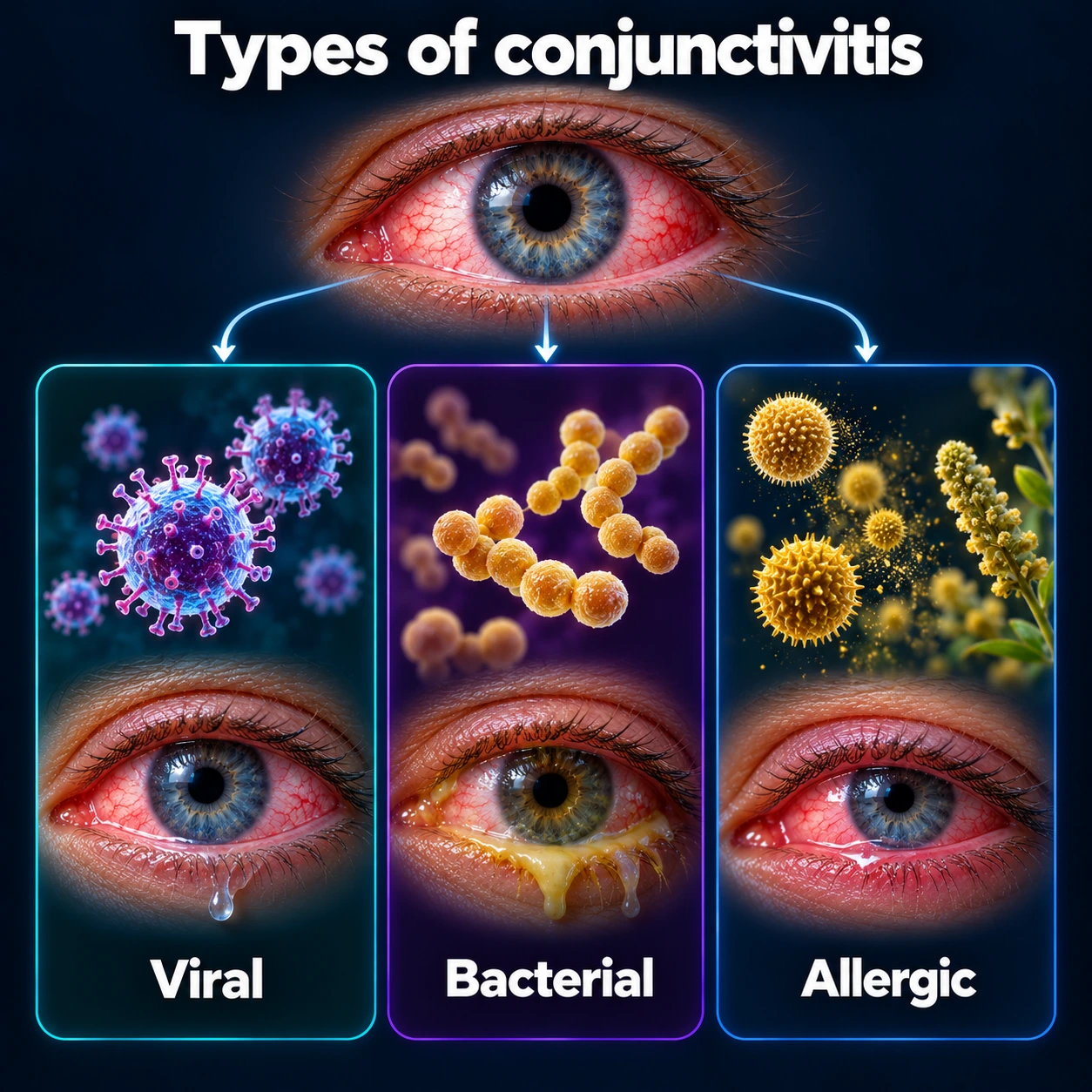
Conjunctivitis is not a single disease — it is a final common pathway that can be triggered by several very different causes. The four main types each have distinct characteristics, treatments, and implications for contagion.
Viral Conjunctivitis
This is the most common type, responsible for roughly 80% of all acute cases of infectious conjunctivitis. The most frequent culprit is adenovirus, which causes a highly contagious form that often accompanies or follows an upper respiratory tract infection — the classic "my cold gave me pink eye" presentation. Other viruses that can cause conjunctivitis include:
- Herpes simplex virus (HSV) — can cause severe, recurrent conjunctivitis and carries a risk of corneal involvement (dendritic keratitis). This type requires antiviral treatment, not just supportive care.
- Herpes zoster (shingles) — when shingles affects the ophthalmic branch of the trigeminal nerve (herpes zoster ophthalmicus), conjunctivitis is part of the picture.
- Enterovirus 70 and Coxsackievirus A24 — these cause acute hemorrhagic conjunctivitis, a rapidly spreading form with subconjunctival bleeding that has caused large outbreaks worldwide.
- Molluscum contagiosum — a poxvirus that causes waxy skin nodules; lid margin molluscum can trigger a chronic follicular conjunctivitis.
Viral conjunctivitis typically runs its course in one to three weeks without specific antiviral treatment (except for herpes, which needs antivirals). It is self-limiting but highly contagious.
Bacterial Conjunctivitis
Bacterial conjunctivitis accounts for most of the remaining infectious cases and tends to produce more noticeable discharge. Common bacteria responsible include:
- Staphylococcus aureus — the leading cause in adults; often associated with blepharitis (eyelid margin inflammation)
- Streptococcus pneumoniae — more common in children; can cause rapid-onset purulent discharge
- Haemophilus influenzae — especially common in children; may be associated with concurrent otitis media (ear infection)
- Moraxella catarrhalis — another common pediatric cause
A special and more serious category is gonococcal conjunctivitis (Neisseria gonorrhoeae), which causes hyperacute bacterial conjunctivitis with profuse purulent discharge that develops within 12 to 24 hours. This requires systemic antibiotic treatment and is a medical emergency because of its potential to rapidly damage the cornea.
Ophthalmia neonatorum (neonatal conjunctivitis) deserves special mention. In newborns, conjunctivitis in the first four weeks of life can be caused by Neisseria gonorrhoeae or Chlamydia trachomatis acquired from the mother's birth canal during delivery. Chlamydial neonatal conjunctivitis is actually the most common cause of neonatal eye infection globally and requires systemic antibiotics — topical treatment alone is not sufficient because of the risk of concurrent lung infection.
Allergic Conjunctivitis
Allergic conjunctivitis occurs when the immune system overreacts to harmless environmental substances (allergens). It is extremely common — affecting up to 40% of the general population — and tends to be bilateral (both eyes simultaneously). It is classified into several subtypes:
- Seasonal allergic conjunctivitis (SAC) — triggered by pollen from trees, grasses, and weeds. Symptoms spike during specific seasons.
- Perennial allergic conjunctivitis (PAC) — triggered year-round by indoor allergens like dust mites, pet dander, and mold. Symptoms are milder but persistent.
- Vernal keratoconjunctivitis (VKC) — a severe, chronic form predominantly affecting young males in warm climates. It can cause corneal scarring and vision loss if untreated.
- Atopic keratoconjunctivitis (AKC) — associated with atopic dermatitis (eczema); tends to be severe and chronic in adults.
- Giant papillary conjunctivitis (GPC) — triggered by contact lenses, prosthetic eyes, or exposed sutures; causes large papillae (bumps) on the inner upper eyelid.
Allergic conjunctivitis is not contagious. The hallmark symptom is intense bilateral itching, which distinguishes it from viral and bacterial forms.
Chemical and Toxic Conjunctivitis
Chemical irritants can trigger conjunctivitis in several ways. Common causes include chlorine in swimming pools, smoke and air pollution, cosmetics and makeup removers, contact lens cleaning solutions, and certain topical eye medications (especially neomycin, gentamicin, and preservatives like benzalkonium chloride used in many eye drop formulations). Accidental eye exposure to household cleaners, solvents, or acids requires emergency irrigation.
Causes and Risk Factors
Understanding what raises your risk of conjunctivitis helps with prevention and with recognizing urgent signs.
Risk Factors for Infectious Conjunctivitis
- Close contact with an infected person — viral and bacterial conjunctivitis spread through direct contact with eye secretions, contaminated hands, or shared objects (towels, pillowcases, washcloths)
- School-age children — outbreaks are common in daycare and elementary school settings due to close contact and hand hygiene challenges
- Contact lens wear — extended wear, poor lens hygiene, or wearing lenses while swimming raises the risk of bacterial and acanthamoeba keratoconjunctivitis
- Recent upper respiratory infection — viral conjunctivitis often follows a cold or sore throat, since the same adenoviruses cause both
- Sexually transmitted infections — Chlamydia trachomatis and Neisseria gonorrhoeae can infect the eye through direct inoculation (hand-to-eye contact) or in newborns through the birth canal
- Neonatal period — newborns passing through an infected birth canal are at risk of ophthalmia neonatorum
- Immunocompromised status — people with human immunodeficiency virus (HIV), cancer, or on immunosuppressant medications may have more severe or prolonged infections
Risk Factors for Allergic Conjunctivitis
- Personal or family history of atopy — allergic rhinitis (hay fever), asthma, and eczema are strongly associated with allergic conjunctivitis; if you have one atopic condition, your risk of the others is elevated
- High pollen seasons — tree pollen peaks in spring, grass pollen in late spring and summer, weed pollen in late summer and fall
- Indoor allergen exposure — homes with cats, dogs, dust mites, or mold carry higher year-round allergen loads
- Contact lens wear — contact lenses can accumulate allergens and contribute to giant papillary conjunctivitis
Risk Factors for Chemical Conjunctivitis
- Working with chemicals or solvents without eye protection
- Swimming in heavily chlorinated pools
- Long-term use of preserved eye drops (the preservative benzalkonium chloride is a common culprit)
- Wearing cosmetics near the eye margins
Symptoms
The symptoms of conjunctivitis vary by type, and learning to distinguish them helps you understand what you're dealing with — and which signs hospitals treat as urgent.
Common Symptoms Across All Types
- Redness (erythema) — the whites of one or both eyes appear pink or red as blood vessels dilate
- Discharge — the eye produces excess secretions that may be watery, mucoid, or purulent depending on the cause
- Morning crusting — discharge dries overnight and can cause the lids to stick together; this is common in both viral and bacterial types
- Foreign body sensation — a feeling of sand or grit in the eye
- Swollen or puffy eyelids — the lids may appear swollen, particularly in allergic conjunctivitis
- Tearing — excessive watering of the eye
Distinguishing Features by Type
Viral conjunctivitis typically starts in one eye and spreads to the other within a few days. The discharge is watery and clear rather than thick. You may notice a swollen, tender lymph node just in front of your ear (the preauricular lymph node) — this is a strong clue pointing to viral origin, especially adenoviral. Many people have a concurrent sore throat, runny nose, or recent cold. Photophobia (sensitivity to light) can occur if there is any corneal involvement.
Bacterial conjunctivitis produces thick, yellow-green purulent discharge that refills rapidly after being wiped away. The discharge is often so heavy that both eyelids are stuck shut in the morning. It typically starts in one eye but can spread to both within 24 to 48 hours. Significant itching is usually absent (unlike allergic conjunctivitis). Gonococcal conjunctivitis presents dramatically — profuse pus, severe lid swelling, and extremely rapid onset within hours of exposure.
A Dutch cohort of 184 adults at 25 health centres measured which answers point to bacteria. Waking with the eyelids glued shut raised the chance of a bacterial cause, while itch and an earlier episode of conjunctivitis lowered it. Together, those three answers moved the overall 32% rate of bacterial cause as low as 4% or as high as 77%, and the authors note the questions could be asked by telephone.
Allergic conjunctivitis is almost always bilateral from the start. The single most distinctive feature is intense itching — rubbing the eyes provides brief relief but worsens the inflammation. The discharge tends to be watery to stringy (ropy mucous strands). Chemosis (swelling of the conjunctival membrane itself, making it look like a blister over the eye) can occur in severe allergic reactions. Many people experience simultaneous nasal symptoms: sneezing, runny nose, and nasal congestion.
Chemical conjunctivitis onset is immediate after exposure, with burning, stinging, redness, and tearing. There is no discharge beyond excess tearing. Alkali burns (ammonia, lye) are more damaging than acid burns and require immediate emergency irrigation.
Diagnosis
In most adults, conjunctivitis is diagnosed clinically — meaning a doctor can identify the most likely type based on your symptoms, history, and a physical examination. Routine laboratory testing is generally not needed for mild to moderate uncomplicated cases.
Clinical History and Examination
Your doctor will ask about the nature and timing of your symptoms, whether one or both eyes are affected, the character of any discharge, the presence of itching, recent illness or sick contacts, contact lens use, sexual history (relevant for gonococcal or chlamydial conjunctivitis), and any known allergies. A brief eye examination looks at the character of the discharge, the appearance of the conjunctival lining (follicles are bumps seen in viral conjunctivitis; papillae are seen in allergic and GPC), eyelid skin changes, and whether the cornea appears clear.
When Testing Is Needed
- Cultures and Gram stain — recommended when conjunctivitis is severe, recurrent, or unresponsive to initial treatment; always for suspected gonococcal or neonatal conjunctivitis
- Polymerase chain reaction (PCR) — highly sensitive for detecting Chlamydia trachomatis, herpes simplex virus, and adenovirus; used when these specific pathogens are suspected
- Slit-lamp examination — an ophthalmologist uses this specialized microscope to look at the cornea for dendritic ulcers (herpes), follicles and papillae on the inner eyelid, and any corneal involvement that changes management
- Immunoglobulin E (IgE) testing (allergy testing) — skin prick tests or blood radioallergosorbent tests (RAST) can identify specific allergen triggers when allergic conjunctivitis is chronic and debilitating; referred to an allergist
- Point-of-care adenovirus test — rapid antigen tests for adenovirus are available in some clinics and can help distinguish viral from bacterial forms quickly, avoiding unnecessary antibiotic prescriptions. A 2013 JAMA review gives 89% sensitivity and up to 94% specificity for these tests, and reports that clinical accuracy in diagnosing viral conjunctivitis is under 50% when checked against laboratory confirmation
Signs Treated as Urgent
Most cases of conjunctivitis are managed in primary care. These are the signs treated as reasons for urgent referral to an ophthalmologist:
- Severe eye pain (not just discomfort or grittiness)
- Significant reduction in vision
- Profuse purulent discharge (possible gonococcal or severe bacterial)
- Corneal cloudiness or opacity
- Failure to improve after one to two weeks of appropriate treatment
- Suspected herpes simplex or herpes zoster involvement
- Any conjunctivitis in a newborn
Treatment
Treatment depends entirely on the type of conjunctivitis. Using the wrong treatment not only fails to help — it can occasionally make things worse. For example, topical steroids applied to herpes simplex conjunctivitis can cause catastrophic corneal ulceration.
Viral Conjunctivitis
There is no effective antiviral treatment for most forms of viral conjunctivitis, including adenoviral — the most common type. Treatment is supportive:
- Cool compresses applied to closed eyes several times a day relieve discomfort and reduce swelling
- Artificial tears (preservative-free, if used frequently) lubricate the eye and dilute irritants
- Contact lenses are left out until symptoms fully resolve
- Strict hand hygiene and not touching the eyes limit spread
A 2022 Cochrane review of topical treatments for epidemic keratoconjunctivitis, a severe adenovirus form (10 studies, 892 people), found the evidence that antiviral drops shorten symptoms or signs inconclusive. Low-certainty evidence suggests that povidone-iodine, an antiseptic, resolves symptoms (risk ratio 1.15) and signs (risk ratio 3.19) more often in the first week than artificial tears.
For herpes simplex conjunctivitis, antiviral treatment is essential to prevent corneal damage. A 2013 JAMA review lists topical or oral antivirals (topical acyclovir, oral acyclovir or oral valacyclovir). A Cochrane review of herpes infection of the corneal surface found trifluridine and acyclovir similar and ganciclovir at least as effective as acyclovir; in a limited number of studies, oral acyclovir, or oral acyclovir with a topical antiviral, appeared as effective as a single topical antiviral. Topical steroids can worsen herpetic conjunctivitis: the JAMA review states that they potentiate the virus and may cause harm, and they can cause the infection to spread to the cornea.
Most viral conjunctivitis resolves within one to three weeks. The first week is typically the worst; symptoms gradually improve after that.
Bacterial Conjunctivitis
Most bacterial conjunctivitis is self-limiting. A 2023 Cochrane review found that 55.5% of people on placebo had clinical resolution by days 4 to 9, against 68.2% on an antibiotic; the 2012 version of that review found 41% resolved on placebo by days six to 10, and the 2013 JAMA review states that at least 60% are self-limiting within 1 to 2 weeks. Topical antibiotics shorten the duration of symptoms and allow earlier return to school or work, according to the JAMA review, which concludes that no treatment is necessary in uncomplicated cases. The Cochrane review describes a modestly improved chance of resolution and says antibiotics may be considered.
Antibiotic use is common: of 340,372 people in a large US managed care network newly diagnosed with acute conjunctivitis, 58% filled an antibiotic prescription, and 1 in 5 of those filled an antibiotic-steroid combination, which the authors state is contraindicated for acute conjunctivitis and may prolong infection.
Common topical antibiotic options include:
- Erythromycin ophthalmic ointment — first-line for children, inexpensive, broad spectrum
- Polymyxin B/trimethoprim drops — covers most common bacteria, available as a lower-cost generic
- Tobramycin drops — effective gram-negative coverage
- Azithromycin ophthalmic drops — the 2013 JAMA review lists twice daily for 2 days, then once daily for 5 days. For chlamydial conjunctivitis the same review reports that oral antibiotics are the treatment and that no data support adding topical antibiotics
- Fluoroquinolones (ciprofloxacin, ofloxacin, moxifloxacin) — reserved for severe infections or contact lens-related disease due to cost and the risk of promoting resistance
For gonococcal conjunctivitis in adults, systemic antibiotics are required — the 2021 US Centers for Disease Control and Prevention (CDC) guideline lists a single 1 g intramuscular dose of ceftriaxone, with a one-time saline rinse of the infected eye as something providers may consider. For uncomplicated gonorrhea, the CDC's 2020 update lists doxycycline 100 mg by mouth twice a day for 7 days if chlamydial infection has not been excluded.
Neonatal conjunctivitis is a medical emergency. Gonococcal neonatal conjunctivitis is treated with intravenous or intramuscular ceftriaxone. Chlamydial neonatal conjunctivitis is treated with a 14-day course of oral erythromycin (topical treatment is insufficient because it does not address the concurrent chlamydial lung infection risk). Many hospitals routinely apply erythromycin ointment to all newborns' eyes at birth (prophylactic treatment against ophthalmia neonatorum).
Allergic Conjunctivitis
Managing allergic conjunctivitis involves both controlling symptoms and addressing the underlying allergic mechanism:
- Allergen avoidance — closed windows during high pollen counts, air conditioning, allergen-proof mattress and pillow covers, and pets kept out of the bedroom are the measures usually described
- Cold compresses — reduce itching and swelling; cool temperatures cause mast cells to release less histamine
- Antihistamine/mast-cell stabilizer eye drops — a 2015 Cochrane review (30 trials, 4,344 people) found that they reduce symptoms and signs of seasonal allergic conjunctivitis compared with placebo in the short term, found no long-term data, and cautioned that direct comparisons between drugs need careful interpretation. Olopatadine, ketotifen, and azelastine all block histamine receptors and prevent mast-cell degranulation. These are available over the counter or by prescription in different concentrations.
- Topical nonsteroidal anti-inflammatory drugs (NSAIDs) (ketorolac) — reduce prostaglandin-mediated itch and inflammation
- Topical corticosteroids — reserved for severe cases due to risks of glaucoma and cataracts with prolonged use; require ophthalmology monitoring
- Oral antihistamines — helpful when nasal symptoms coexist; non-sedating options (loratadine, cetirizine, fexofenadine) are preferred
- Immunotherapy (allergy shots or sublingual drops) — for chronic severe allergic conjunctivitis unresponsive to medications, allergen immunotherapy can modify the underlying immune response over time
Rubbing the eyes feels satisfying briefly, but it causes mast cells in the conjunctiva to release more histamine, worsening itching in a vicious cycle. It can also cause mechanical damage to the cornea (keratoconus risk with chronic vigorous rubbing).
Chemical Conjunctivitis
The priority for chemical eye exposure is immediate, copious irrigation with clean water or saline — ideally for at least 20 to 30 minutes continuously. Irrigation comes before anything else, including calling a doctor. After irrigation, the pH of the eye is measured with pH paper if available, and irrigation continues until the pH returns to 7.0 to 7.4. Hospitals treat all significant chemical exposures as emergencies, especially alkali burns (which continue to penetrate tissue even after the initial splash).
Natural and Home Remedies
While natural remedies cannot replace medical treatment for severe or neonatal conjunctivitis, several supportive measures can provide meaningful comfort and may complement conventional care for mild cases. Severe eye pain, reduced vision, a cloudy cornea, heavy pus and any conjunctivitis in a newborn are signs hospitals treat as urgent.
Warm and Cool Compresses
The temperature of the compress matters:
- Warm compresses (a clean cloth soaked in comfortably warm water) are helpful for bacterial conjunctivitis — warmth softens and loosens crusty discharge, improves local circulation, and may help unclog any blocked meibomian glands contributing to symptoms
- Cool compresses are more effective for viral and allergic conjunctivitis — cold temperatures constrict blood vessels, reduce swelling, and lower histamine release from mast cells, directly relieving itching and puffiness
A small masked trial of 18 people allergic to grass pollen, exposed in a test chamber, found that artificial tears and 5 minutes of cold compress each eased redness and symptoms faster than no treatment, and that the two combined reduced redness most. In 11 of those people, a cold compress also strengthened the effect of an antiallergy eye drop (epinastine).
Compresses are usually applied for 10 to 15 minutes several times a day, with a clean cloth for each application. Reusing a compress between eyes can spread infection from one eye to the other.
Saline Rinse
A gentle rinse with sterile saline (saltwater) can help wash away discharge, allergens, and irritants from the eye surface. Commercial preservative-free saline eyewash or artificial tears serve this purpose well. Homemade saline carries a risk of contamination if not prepared properly; commercial preparations are safer.
Black Tea Compresses
Black tea contains tannins — astringent polyphenols with mild antimicrobial and anti-inflammatory properties. Anecdotally, cooled black tea bags placed over closed eyelids may reduce redness and discomfort. High-quality clinical trials are lacking; the practice is inexpensive. Accounts describe fully cooled, used tea bags, since hot tea near the eyes risks burns.
Honey Eye Drops
Raw honey has well-documented antimicrobial properties, largely attributed to its high osmotic pressure, low pH, hydrogen peroxide production, and the antimicrobial peptide bee defensin-1. Small clinical studies have explored diluted medical-grade honey eye drops (such as Manuka honey preparations) for bacterial and dry-eye conditions, with promising early results. Research is still in early stages, and commercial sterile preparations are safer than home-prepared formulations. Raw honey placed directly into the eye carries a contamination risk and potential for harm.
Avoiding Eye Touching and Rubbing
Touching or rubbing the eye introduces new microorganisms, spreads infection to the second eye, worsens mast-cell degranulation in allergic cases, and can physically injure an already irritated cornea. If the urge to rub is overwhelming (especially in allergic conjunctivitis), applying a cool compress is a safer substitute.
Chamomile and Calendula Compresses
Traditional herbalism has used chamomile and calendula eye compresses for soothing eye inflammation for centuries. Both have mild anti-inflammatory properties in laboratory settings. However, chamomile is a relative of ragweed and can itself trigger allergic reactions — which raises a concern for people with known ragweed allergy who use chamomile eye preparations. As with all compresses, sterility matters; accounts describe cooled, well-strained preparations.
Dietary Support
For allergic conjunctivitis specifically, an anti-inflammatory diet rich in omega-3 fatty acids (oily fish, flaxseed, walnuts) and antioxidants (colorful vegetables and fruits) may help modulate the underlying inflammatory response. Vitamin C and quercetin have mast-cell stabilizing properties in laboratory studies, though clinical evidence for conjunctivitis specifically is limited.
When It Is Contagious
Understanding contagion is crucial — both for protecting others and for knowing when it is safe to return to school, work, or social settings.
Viral Conjunctivitis Contagion
Viral conjunctivitis is highly contagious from the moment symptoms appear. Adenoviral conjunctivitis in particular can remain contagious for up to 10 to 14 days after symptoms begin. The virus spreads through:
- Direct contact with eye secretions from an infected person
- Touching contaminated surfaces (doorknobs, faucet handles, towels, pillowcases) and then touching the eyes
- Sharing eye makeup, contact lenses, or contact lens cases
- Large droplet spread from coughing or sneezing (less significant than direct contact)
Most schools and workplaces recommend exclusion from communal settings until the eye discharge has completely resolved. There is no specific day-count rule that applies universally; schools and workplaces set their own rules.
Bacterial Conjunctivitis Contagion
Bacterial conjunctivitis is also contagious through direct contact with discharge. The risk of transmission drops significantly after 24 hours of appropriate antibiotic treatment. Many schools permit children to return after 24 hours of antibiotic eye drops, provided the child is otherwise well. Without antibiotics, contagion persists until discharge fully resolves.
Allergic and Chemical Conjunctivitis
Allergic and chemical conjunctivitis are not contagious. There is no restriction on school or work attendance based on infection risk from these types, though the person may be uncomfortable enough to stay home.
Practical Prevention of Spread
The measures usually described are:
- Frequent handwashing with soap and water for at least 20 seconds
- Not touching or rubbing infected eyes and then touching surfaces others will touch
- Separate, fresh towels and pillowcases daily
- No sharing of eye drops, eye makeup, contact lenses, or contact lens cases
- Discarding disposable contact lenses used during an infection; thoroughly disinfecting extended-wear lenses
- Healthcare workers with active viral conjunctivitis staying away from patient care during the contagious period
Complications
Most conjunctivitis cases resolve without lasting effects. However, certain types or situations can lead to complications, some of which are serious.
Corneal Involvement (Keratitis)
The most clinically significant complication of conjunctivitis is spread of inflammation or infection to the cornea — the clear front window of the eye. This is called keratoconjunctivitis. It can cause:
- Adenoviral keratitis — small white opacities (subepithelial infiltrates) in the cornea that can affect vision and may persist for months; most eventually resolve without permanent damage
- Herpetic keratitis — characteristic dendritic (branching) corneal ulcers that can scar the cornea and reduce vision; recurrent episodes cause cumulative damage; the leading infectious cause of corneal blindness in developed countries
- Bacterial corneal ulcer — especially in contact lens wearers; can progress rapidly to corneal perforation if untreated
Vision Loss from Neonatal Conjunctivitis
Untreated gonococcal ophthalmia neonatorum can cause corneal perforation and blindness within days of birth. Even a brief delay in treatment can result in permanent vision loss. This is why prophylactic antibiotic eye ointment is applied to all newborns immediately after birth in many countries.
Chronic Allergic Complications
Vernal keratoconjunctivitis (VKC) and atopic keratoconjunctivitis (AKC) — the severe chronic forms of allergic conjunctivitis — can cause corneal shield ulcers, corneal scarring (from repeated rubbing), and, in AKC, cataracts and glaucoma (sometimes worsened by topical steroid treatment used to control inflammation). Both require ongoing ophthalmology management.
Scarring and Symblepharon
Severe or repeated conjunctival inflammation can lead to conjunctival scarring. In extreme cases, this can cause the inner eyelid surface to adhere to the eyeball (symblepharon), restricting eye movement and causing chronic discomfort. This is most commonly seen in severe chemical burns, Stevens-Johnson syndrome, and advanced VKC or AKC.
Dry Eye Following Conjunctivitis
Damage to the conjunctival goblet cells (which produce the mucin layer of the tear film) from severe conjunctivitis can contribute to chronic dry eye disease long after the acute infection resolves.
Prevention
Many cases of conjunctivitis are preventable with straightforward hygienic and behavioral measures.
Hand Hygiene
Handwashing with soap and water for at least 20 seconds is the single most effective way to prevent the spread of infectious conjunctivitis. The moments usually listed are before and after touching the eyes, before and after applying eye drops, after contact with a person who has pink eye, after touching frequently shared surfaces (elevator buttons, door handles, shared keyboards), and after blowing your nose or sneezing.
Not Touching the Eyes
The hands-to-eyes route is the primary way viruses and bacteria reach the conjunctiva. Making a conscious habit of not touching your face — especially during cold and flu season — dramatically reduces transmission risk.
Contact Lens Hygiene
The practices usually described are:
- Washing hands thoroughly before inserting or removing lenses
- Not sleeping in contact lenses unless specifically prescribed for extended wear
- Not rinsing or storing lenses in tap water, saliva, or homemade saline
- Replacing lens cases every one to three months
- Following the prescribed replacement schedule for disposable lenses
- Removing lenses before swimming or entering hot tubs
- Removing lenses immediately if eyes become red, irritated, or painful
Allergy Management
For those prone to allergic conjunctivitis, proactive allergen avoidance and early-season use of antihistamine eye drops (starting one to two weeks before the expected allergy season) can significantly reduce the severity of episodes. Air purifiers with high-efficiency particulate air (HEPA) filters, keeping windows closed on high-pollen days, and showering after outdoor activities to remove pollen from hair and skin are all practical strategies.
Protective Eyewear
Wearing goggles when swimming prevents chlorine-related chemical conjunctivitis and reduces the risk of waterborne infections. Safety glasses protect against occupational chemical splashes and irritant dust particles that can trigger conjunctivitis.
Newborn Prophylaxis
The application of erythromycin ophthalmic ointment to newborn eyes within one hour of birth is standard practice in the United States and many other countries. This prevents ophthalmia neonatorum caused by Neisseria gonorrhoeae. Pregnant women are also routinely screened for gonorrhea and chlamydia during prenatal care; treating the mother before delivery eliminates the exposure risk to the newborn.
The CDC's 2021 guideline states that erythromycin eye prophylaxis is ineffective against chlamydial ophthalmia neonatorum (or pneumonia), so prevention of that form rests on prenatal screening and treatment.
Countries differ on the ointment. The US Preventive Services Task Force reaffirmed in 2019 its A recommendation for all newborns, citing about 0.4 gonococcal cases per 100,000 live births a year and transmission from mother to newborn of 30% to 50% without prophylaxis. The Canadian Paediatric Society in 2015 called erythromycin “of questionable efficacy” and urged ending mandatory prophylaxis laws in favour of screening all pregnant women.
Shared Items and Personal Care Products
Eye makeup (mascara, eyeliner, eye shadow), makeup brushes or applicators, eye drops, contact lenses, contact lens cases, towels, washcloths, and pillowcases can all pass infection when shared. Eye makeup used during an episode of conjunctivitis can reinfect the user with the same contaminated products, which is why it is usually replaced.
Key Research Papers
- Azari AA, Barney NP. Conjunctivitis: a systematic review of diagnosis and treatment. JAMA. 2013;310(16):1721–1729. — PubMed PMID: 24150468
A JAMA systematic review covering the diagnosis and management of all major types of conjunctivitis. Concluded that most bacterial cases are self-limiting and that no treatment is necessary in uncomplicated cases, while topical antibiotics decrease the duration and allow earlier return to school or work.
- Chen YY, Liu SH, Nurmatov U, van Schayck OC, Kuo IC. Antibiotics versus placebo for acute bacterial conjunctivitis. Cochrane Database Syst Rev. 2023;3(3):CD001211. — PubMed PMID: 36912752
The 2023 update: 21 trials, 8,805 participants; a modestly improved chance of resolution with topical antibiotics.
- Sheikh A, Hurwitz B, van Schayck CP, McLean S, Nurmatov U. Antibiotics versus placebo for acute bacterial conjunctivitis. Cochrane Database Syst Rev. 2012;(9):CD001211. — PubMed PMID: 22972049
Cochrane systematic review finding that topical antibiotics modestly improve rates of clinical and microbiological remission compared to placebo, while noting that the condition is frequently self-limiting.
- Rietveld RP, ter Riet G, Bindels PJ, Sloos JH, van Weert HC. Predicting bacterial cause in infectious conjunctivitis: cohort study on informativeness of combinations of signs and symptoms. BMJ. 2004;329(7459):206–210. — PubMed PMID: 15201195
A Dutch primary care cohort of 184 adults; three questions shifted the likelihood of a bacterial cause, and the authors suggest this may allow more targeted antibiotic prescribing.
- Cronau H, Kankanala RR, Mauger T. Diagnosis and management of red eye in primary care. Am Fam Physician. 2010;81(2):137–144. — PubMed PMID: 20082509
Practical clinical review for primary care physicians on differentiating conjunctivitis from other causes of red eye, with treatment algorithms for each subtype. Emphasizes the importance of distinguishing vision-threatening from benign causes.
- Epling J. Bacterial conjunctivitis. BMJ Clin Evid. 2012;2012:0704. — PubMed PMID: 22348418
Evidence-based clinical summary from BMJ Clinical Evidence on the natural history, microbiology, and treatment of bacterial conjunctivitis, including a weighing of antibiotic benefits against the self-limiting nature of the condition.
- Bielory L. Allergic and immunologic disorders of the eye. Part II: ocular allergy. J Allergy Clin Immunol. 2000;106(6):1019–1032. — PubMed PMID: 11112882
Comprehensive review of the immunopathology, clinical presentation, and management of allergic conjunctivitis spectrum disorders including SAC, PAC, VKC, AKC, and GPC. Emphasizes the role of mast cells and T lymphocytes.
- Morrow GL, Abbott RL. Conjunctivitis. Am Fam Physician. 1998;57(4):735–746. — PubMed PMID: 9490996
Widely-cited review covering the full spectrum of conjunctivitis including giant papillary conjunctivitis associated with contact lens wear, ocular prostheses, and sutures. Remains a key reference for differentiating conjunctivitis subtypes.
- Leibowitz HM. The red eye. N Engl J Med. 2000;343(5):345–351. — PubMed PMID: 10922425
New England Journal of Medicine clinical review covering the differential diagnosis of red eye, with specific attention to hyperacute gonococcal conjunctivitis — its rapid onset, severity, and need for urgent systemic treatment to prevent corneal damage.
- Wilhelmus KR. Antiviral treatment and other therapeutic interventions for herpes simplex virus epithelial keratitis. Cochrane Database Syst Rev. 2015;1(1):CD002898. — PubMed PMID: 25879115
- St Cyr S, Barbee L, Workowski KA, et al. Update to CDC's treatment guidelines for gonococcal infection, 2020. MMWR Morb Mortal Wkly Rep. 2020;69(50):1911–1916. — PubMed PMID: 33332296
- Workowski KA, Bachmann LH, Chan PA, et al. Sexually transmitted infections treatment guidelines, 2021. MMWR Recomm Rep. 2021;70(4):1–187. — PubMed PMID: 34292926
- Castillo M, Scott NW, Mustafa MZ, Mustafa MS, Azuara-Blanco A. Topical antihistamines and mast cell stabilisers for treating seasonal and perennial allergic conjunctivitis. Cochrane Database Syst Rev. 2015;2015(6):CD009566. — PubMed PMID: 26028608
- Shekhawat NS, Shtein RM, Blachley TS, Stein JD. Antibiotic prescription fills for acute conjunctivitis among enrollees in a large United States managed care network. Ophthalmology. 2017;124(8):1099–1107. — PubMed PMID: 28624168
- Bilkhu PS, Wolffsohn JS, Naroo SA, Robertson L, Kennedy R. Effectiveness of nonpharmacologic treatments for acute seasonal allergic conjunctivitis. Ophthalmology. 2014;121(1):72–78. — PubMed PMID: 24070810
- Liu SH, Hawkins BS, Ng SM, et al. Topical pharmacologic interventions versus placebo for epidemic keratoconjunctivitis. Cochrane Database Syst Rev. 2022;3(3):CD013520. — PubMed PMID: 35238405
- US Preventive Services Task Force; Curry SJ, Krist AH, Owens DK, et al. Ocular prophylaxis for gonococcal ophthalmia neonatorum: US Preventive Services Task Force reaffirmation recommendation statement. JAMA. 2019;321(4):394–398. — PubMed PMID: 30694327
- Moore DL, MacDonald NE; Canadian Paediatric Society, Infectious Diseases and Immunization Committee. Preventing ophthalmia neonatorum. Paediatr Child Health. 2015;20(2):93–96. — PubMed PMID: 25838784