E. coli Treatment and Prevention
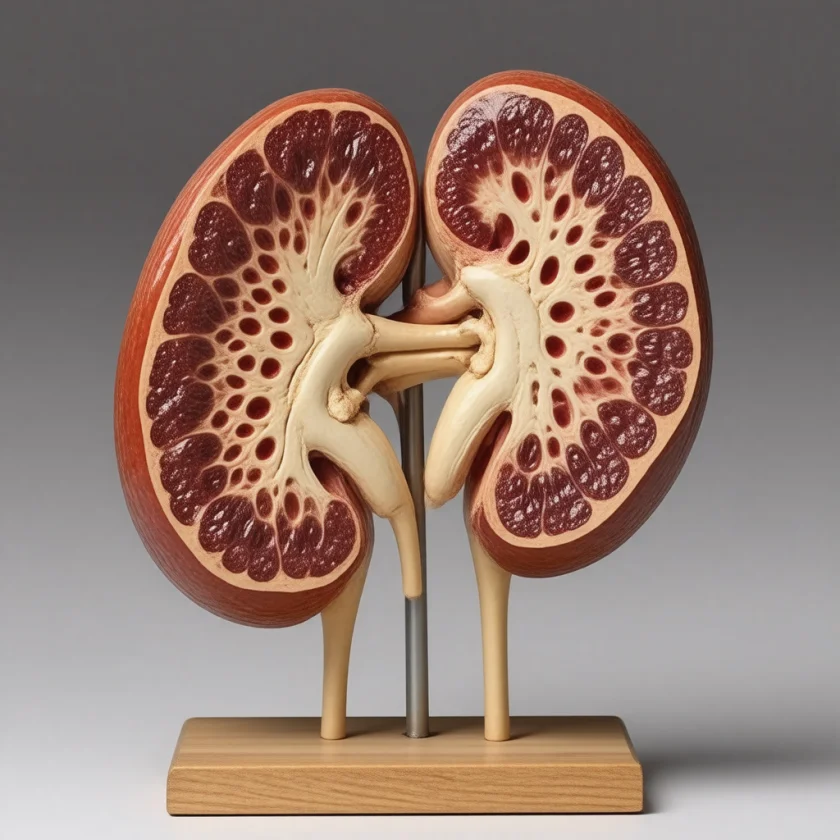
E. coli is not one disease — it is a family of infections with very different treatment strategies. Getting the treatment right matters enormously, because giving the wrong treatment in the wrong situation can make outcomes dramatically worse. The most striking example: antibiotics that would help a urinary tract infection can trigger fatal kidney failure when given to a patient with the intestinal strain known as STEC. This page explains the treatment logic for each type of E. coli infection, what supportive care looks like when antibiotics are off the table, how long treatment should last for each site of infection, and how to prevent infection in the first place.
- Treatment Principles
- Why NOT to Treat STEC with Antibiotics
- Antibiotic Selection Overview
- HUS Supportive Care
- Treatment Duration by Infection Site
- ESBL and Resistant E. coli Management
- Prevention Overview
- Special Populations
- Key Research Papers
- Connections
Treatment Principles
The most important question when treating an E. coli infection is not "which antibiotic?" — it is "which type of E. coli infection is this, and where is it?" The answer changes everything: the antibiotic chosen, whether antibiotics are even used at all, whether you need oral versus intravenous treatment, and how long you take the medication.
Location determines the approach:
- Uncomplicated bladder infection (cystitis): Short-course oral antibiotics, almost always outpatient.
- Kidney infection (pyelonephritis): Longer oral antibiotics for mild cases, intravenous antibiotics and hospital admission for severe cases.
- Bloodstream infection (bacteremia/sepsis): Intravenous antibiotics, typically in hospital, plus finding and fixing the source of the infection.
- Intestinal infection from non-STEC strains (ETEC, EPEC): Usually supportive care only; antibiotics for traveler's diarrhea in certain situations.
- Intestinal infection from STEC (O157:H7 and related strains): No antibiotics. Supportive care only. Antibiotics cause harm.
The local resistance landscape also matters. In many communities, E. coli resistance to common antibiotics like trimethoprim-sulfamethoxazole (TMP-SMX, also called Bactrim or Septra) now exceeds 20%, which means roughly one in five people treated with that drug would be getting an ineffective treatment. Your doctor considers local resistance data — and ideally your personal culture results — when choosing.
Why NOT to Treat STEC with Antibiotics
This is one of the most counterintuitive and consequential rules in infectious disease medicine: do not give antibiotics to a patient with Shiga toxin-producing E. coli (STEC) infection. Antibiotics — the standard treatment for nearly every other bacterial infection — significantly increase the risk of developing hemolytic uremic syndrome (HUS), a potentially fatal complication that destroys the kidneys.
The landmark evidence: A 2000 study by Wong and colleagues published in the New England Journal of Medicine followed 71 children infected with E. coli O157:H7 — the most common STEC strain. Children who received antibiotics during their illness were 8 to 17 times more likely to develop HUS than children who received only supportive care. This was not a small signal — it was a dramatic, statistically compelling finding that immediately changed clinical practice worldwide.
Why antibiotics cause harm in STEC: E. coli O157:H7 produces Shiga toxins (Stx1 and Stx2) that are encoded on bacteriophages — viruses that live inside the bacteria's DNA. When antibiotics damage or kill E. coli cells, they trigger a stress response that activates those bacteriophages. The bacteriophages replicate and burst out of the dying bacteria, but in the process they cause massive release of pre-formed Shiga toxin — far more than the living bacteria were releasing. This toxin spike is absorbed into the bloodstream, binds to receptors in the kidney's small blood vessels, and triggers the microangiopathic cascade that destroys red blood cells and kidneys. Antibiotics convert a dangerous infection into a catastrophic one.
What supportive care means for STEC:
- Generous oral or intravenous fluid replacement to maintain kidney perfusion
- Close monitoring of kidney function (creatinine, urine output) and blood counts (hemoglobin, platelets)
- Avoiding anti-motility agents like loperamide (Imodium) — slowing bowel movement prolongs toxin contact time with the intestinal wall
- Hospital admission for any child or adult with bloody diarrhea and confirmed or suspected STEC, especially when kidney function starts to decline
- Daily blood and urine monitoring for signs of HUS progression
Most patients with STEC recover fully with supportive care alone. The infection resolves within 5 to 10 days in most people. The 5 to 15% who progress to HUS require intensive care management (see below).
Antibiotic Selection Overview
For E. coli infections where antibiotics are appropriate — primarily urinary tract infections (UTIs) and systemic infections — the right choice depends on where the infection is, how sick the patient is, whether the bacteria's susceptibility is known, and whether resistance is a concern.
Uncomplicated cystitis (bladder-only urinary tract infection (UTI)):
- Nitrofurantoin (Macrobid): 100mg twice daily for 5 days. First-line choice. Concentrates in urine, low resistance rates, excellent safety profile. Avoid in kidney disease or near the end of pregnancy (see Special Populations).
- Trimethoprim-sulfamethoxazole (TMP-SMX / Bactrim): 1 double-strength tablet twice daily for 3 days. Highly effective when E. coli is susceptible, but local resistance rates above 20% make it a less reliable choice without culture confirmation in many areas.
- Fosfomycin (Monurol): Single 3-gram oral dose. Extremely convenient, very low resistance rates for E. coli, effective against many ESBL strains. Slightly lower cure rates than longer courses but excellent for patients who struggle with multi-day regimens.
- Fluoroquinolones (ciprofloxacin, levofloxacin): Highly effective but are third-line for uncomplicated urinary tract infection due to the need to preserve them for more serious infections and their higher side effect profile (tendon damage, aortic aneurysm risk, QT prolongation).
Pyelonephritis (kidney infection):
- Mild to moderate (oral therapy, outpatient): Ciprofloxacin 500mg twice daily for 7 days, or levofloxacin 750mg once daily for 5 days, when local fluoroquinolone resistance is below 10%. TMP-SMX for 14 days if susceptibility is confirmed.
- Severe (intravenous, hospitalized): intravenous (IV) ceftriaxone (1–2g once daily) until culture results return, then step down to oral therapy based on susceptibilities. Intravenous fluoroquinolones or aminoglycosides (gentamicin) are alternatives.
Sepsis and bacteremia:
- Empiric broad-spectrum intravenous antibiotics are started immediately — typically a beta-lactam with gram-negative activity (ceftriaxone, piperacillin-tazobactam, or a carbapenem for high-risk patients with ESBL history).
- Results are "stepped down" to the most narrow-spectrum effective agent once culture and susceptibility results are available — usually 48 to 72 hours into treatment.
HUS Supportive Care
Hemolytic uremic syndrome (HUS) is the most dangerous complication of STEC infection. It is defined by a triad: microangiopathic hemolytic anemia (red blood cells physically destroyed by clots in small vessels), thrombocytopenia (dangerously low platelet count), and acute kidney failure. In children under 5, it is the leading cause of acute kidney failure in the developed world. Management requires intensive care medicine.
Kidney replacement therapy: When the kidneys stop working, waste products (creatinine, potassium, urea) accumulate to life-threatening levels. Dialysis — either peritoneal dialysis or hemodialysis — removes these waste products artificially. Up to 50 to 70% of children with HUS require some form of dialysis during the acute illness. The good news: most recover kidney function when they survive the acute phase. Only about 5% progress to chronic kidney disease requiring long-term dialysis.
Blood transfusion: As Shiga toxin destroys red blood cells, hemoglobin levels fall. The typical transfusion threshold is a hemoglobin below 7 g/dL, though this varies with clinical symptoms — a patient who is dizzy, breathless, and has a racing heart may need transfusion at higher hemoglobin levels. Packed red blood cells (not whole blood) are used.
Platelet transfusion — the controversial part: Platelets fall in HUS because they are consumed forming the microclots that clog small vessels. The instinct is to replace them with transfusion, but this is actually controversial and generally avoided unless there is active serious bleeding or a surgical procedure is needed. Adding more platelets in the setting of active thrombotic microangiopathy may paradoxically fuel more clot formation and worsen kidney and brain injury. Most HUS specialists withhold platelet transfusion unless absolutely necessary.
Fluid management: Maintaining adequate kidney blood flow is critical. Intravenous fluid resuscitation in the early days of HUS may prevent the progression to full kidney failure. However, once the kidneys have failed, fluid must be carefully restricted to prevent fluid overload (lung edema, high blood pressure). Fluid balance management in HUS requires expertise and frequent reassessment.
Avoid anti-motility drugs: Loperamide (Imodium) and similar agents that slow bowel movement are specifically contraindicated in bloody diarrhea from STEC. Slowing the gut prolongs contact between Shiga toxin and the intestinal wall, potentially increasing absorption of toxin into the bloodstream.
Eculizumab: This complement-inhibiting antibody (normally used for a different condition called atypical HUS) was tried experimentally in several STEC-HUS outbreaks, most notably the 2011 Germany outbreak. Results were mixed — some patients appeared to benefit, particularly those with neurological complications, but controlled evidence is limited. Eculizumab is not standard therapy for STEC-HUS and is used only in severe or complicated cases at specialized centers.
Treatment Duration by Infection Site
One of the most evidence-tested areas of urinary tract infection research is treatment duration. Longer is not always better — shorter courses reduce side effects, lower the risk of breeding resistant bacteria, and improve adherence. Here are the current evidence-based recommendations:
- Uncomplicated cystitis in women: 3 days of TMP-SMX; 5 days of nitrofurantoin; single dose of fosfomycin. Three-day fluoroquinolone courses are effective but reserved for cases where first-line agents cannot be used.
- Uncomplicated pyelonephritis (outpatient): 7 days of oral ciprofloxacin (or 5 days of high-dose levofloxacin). If TMP-SMX is used and susceptibility is confirmed, 14 days. Beta-lactams like cefpodoxime or cephalexin require 10 to 14 days because they achieve lower tissue levels.
- Complicated urinary tract infection (hospitalized, catheter-associated, structural abnormality): Typically 7 to 14 days, based on clinical response and source control. Catheter-associated urinary tract infections require catheter removal or replacement when possible; antibiotics given while the infected catheter remains in place rarely cure the infection.
- Bacteremia and sepsis: A minimum of 14 days of antibiotics is standard, but this can extend to 21 or 28 days depending on how sick the patient was, whether there is an undrained focus of infection, and how quickly the patient improved. Source control is inseparable from antibiotic duration — if there is an abscess that wasn't drained or an obstructed kidney that wasn't stented, the antibiotics alone will not achieve cure no matter how long they are given.
- STEC intestinal infection: No antibiotics. Duration of supportive care is guided by clinical recovery — typically 5 to 10 days for uncomplicated cases, weeks to months of dialysis and monitoring for those who develop HUS.
ESBL and Resistant E. coli Management Overview
ESBL-producing E. coli have acquired enzymes that destroy most penicillins and cephalosporins — the backbone of outpatient antibiotic therapy. Managing these infections requires choosing drugs that ESBL enzymes cannot inactivate.
Carbapenems — preferred for serious infections: The carbapenem antibiotics (meropenem, imipenem, ertapenem) are resistant to ESBL enzymes and are the preferred treatment for bloodstream infections, kidney infections, and other serious ESBL E. coli infections. Ertapenem has the advantage of once-daily dosing and can be given as outpatient intravenous therapy. Meropenem is used for more severe infections requiring higher peak concentrations.
A 2019 landmark trial on step-down therapy: Tamma et al. studied whether patients with ESBL bacteremia could safely transition from intravenous carbapenems to oral agents based on susceptibility testing. The results supported the safety of oral step-down therapy with agents like ciprofloxacin (when susceptible) after initial stabilization — an important finding that can reduce hospitalization time and intravenous line complications.
When oral agents are acceptable for ESBL UTIs: Not every ESBL infection requires intravenous carbapenems. For mild, uncomplicated ESBL UTIs (bladder infections only, no fever, no systemic signs), several oral agents may be effective if the susceptibility report confirms they work against your specific strain:
- Nitrofurantoin: Many ESBL E. coli remain susceptible; this drug concentrates in urine and is not affected by ESBL enzymes. Only suitable for bladder infections — does not achieve tissue levels for kidney or bloodstream infection.
- Fosfomycin: Frequently active against ESBL strains; single-dose or short-course for uncomplicated urinary tract infection. Susceptibility must be confirmed.
- Trimethoprim-sulfamethoxazole or fluoroquinolones: Only if the susceptibility report specifically shows susceptibility. ESBL strains frequently also carry resistance genes for these drugs, but not always.
The critical rule: never use a cephalosporin antibiotic to treat a confirmed ESBL infection, even if an old report marked it susceptible. ESBL enzymes make those results unreliable, and clinical treatment failures are well documented.
Prevention Overview
E. coli infections are largely preventable. The right prevention strategy depends on which type of E. coli infection you are trying to avoid.
Food safety for STEC prevention: The most dangerous E. coli strain, O157:H7, lives in the intestines of cattle and other ruminants without causing them disease. It spreads to people through contaminated food and water. Key prevention steps:
- Cook ground beef to at least 160°F (71°C) throughout — the U.S. Food and Drug Administration-recommended internal temperature for hamburgers and ground meat. Color alone is not a reliable indicator of doneness (meat can brown before reaching safe temperature).
- Avoid unpasteurized apple cider, raw milk, and unpasteurized cheese, which have caused multiple E. coli O157 outbreaks.
- Wash produce thoroughly, especially leafy greens, which can harbor E. coli from contaminated irrigation water or manure runoff.
- Wash hands with soap and water after contact with farm animals, their environment, or manure.
- Prevent cross-contamination in the kitchen: use separate cutting boards for raw meat and produce, wash cutting boards and utensils after contact with raw meat.
Urinary tract infection prevention: For women who get frequent urinary tract infections, several evidence-based strategies can reduce recurrence:
- Hydration: Drinking more water — at least 1.5 liters (about 50 oz) daily — increases urine production and flushes bacteria out of the bladder before they can establish infection. A 2018 randomized trial in JAMA Internal Medicine found that women who increased water intake had 48% fewer urinary tract infections than the control group.
- Wiping front to back: Prevents fecal bacteria (where E. coli lives naturally) from being dragged toward the urethral opening.
- Urinating after sex: Intercourse mechanically pushes bacteria into the urethra; voiding promptly afterward flushes them out before they can ascend.
- Cranberry (PACs): Proanthocyanidins (PACs) in cranberry prevent E. coli from adhering to the bladder wall. Evidence is modest but consistent — daily cranberry capsules (standardized to 36mg PAC) modestly reduce recurrence rates in women prone to urinary tract infections.
- D-mannose: A simple sugar that E. coli binds to in preference to bladder wall cells. When D-mannose is present in urine (after oral supplementation), E. coli attaches to it and is flushed out with urination. A 2014 randomized trial found D-mannose powder (2g daily) reduced recurrence as effectively as low-dose nitrofurantoin prophylaxis.
Antibiotic prophylaxis for recurrent urinary tract infection: For women with frequent confirmed urinary tract infections (three or more per year) who haven't responded to behavioral measures, low-dose daily or post-coital prophylactic antibiotics (nitrofurantoin 50mg or TMP-SMX half-tablet at bedtime) can reduce recurrence by 95%. This requires ongoing monitoring and should be reassessed annually.
Special Populations
Certain groups require modified treatment strategies because standard antibiotic choices carry specific risks.
Pregnancy: urinary tract infections during pregnancy carry much higher stakes — untreated bacteriuria (even without symptoms) increases the risk of kidney infection, preterm labor, and low birth weight. Screening urine culture is standard at the first prenatal visit. Treatment choices are more restricted than in non-pregnant women:
- Nitrofurantoin: Safe in the first and second trimesters, but avoid after 36 weeks gestation (in the final weeks of pregnancy). Nitrofurantoin carries a theoretical risk of causing hemolytic anemia in a newborn whose red blood cell enzyme system is not yet mature. This risk, while small and somewhat theoretical, leads most guidelines to avoid it near delivery.
- TMP-SMX: Avoid in the first trimester — the trimethoprim component is a folate antagonist, and early pregnancy is when neural tube development depends on adequate folate. Avoid near delivery because sulfamethoxazole can displace bilirubin from protein binding sites in newborns, theoretically worsening newborn jaundice (kernicterus). Can be used in the second trimester when other agents cannot be used.
- Fluoroquinolones: Avoid throughout pregnancy. Animal studies showed joint cartilage damage; while human evidence is less clear, the theoretical risk means fluoroquinolones are contraindicated in pregnancy.
- Cephalosporins (cephalexin, cefpodoxime): Generally safe throughout pregnancy and often used when first-line agents are contraindicated. Require 7 to 10 day courses for urinary tract infection.
- Fosfomycin: Single-dose therapy makes it an attractive option; currently classified as pregnancy category B (animal studies show no harm, adequate human studies limited) and used when other options are not suitable.
Children with urinary tract infection: urinary tract infections in young children — especially boys under 2 and children with recurrent infections — require careful evaluation because they may signal a structural abnormality of the urinary tract. The most important of these is vesicoureteral reflux (VUR), a condition where urine flows backward from the bladder up toward the kidneys during urination. Repeated urinary tract infections with VUR can cause progressive kidney scarring and eventual kidney disease.
- After a first febrile urinary tract infection in a child (urinary tract infection with fever, suggesting kidney involvement), pediatric guidelines recommend imaging — typically a renal ultrasound first, and a voiding cystourethrogram (VCUG) to look for reflux if there are abnormalities or if the child has recurrent infections.
- Antibiotic choice in children must account for age-appropriate dosing and avoid agents contraindicated in pediatric patients. Fluoroquinolones are generally avoided in children under 18 due to theoretical effects on developing cartilage, except in certain specific clinical situations.
- Children with STEC-associated HUS are managed in pediatric intensive care units with expertise in pediatric nephrology. They require meticulous fluid management, close monitoring for neurological complications (which occur in up to 25% of severe HUS cases), and dialysis when the kidneys fail.
Asymptomatic bacteriuria (ASB): Finding bacteria in the urine of a person without any symptoms is called asymptomatic bacteriuria. Treating ASB with antibiotics is harmful (causes antibiotic side effects, promotes resistance) in most people — including elderly patients in nursing homes, who very commonly have bacteria in the urine without infection. The two exceptions where treatment of ASB is warranted: pregnancy (due to high risk of progression to kidney infection) and patients about to undergo urological surgery or procedures where mucosa will be broken and bacteria could enter the bloodstream.
Key Research Papers
- Wong C.S. et al. (2000). The risk of the hemolytic-uremic syndrome after antibiotic treatment of Escherichia coli O157:H7 infections. New England Journal of Medicine — Search PubMed
- Gupta K. et al. (2011). International clinical practice guidelines for the treatment of acute uncomplicated cystitis and pyelonephritis in women. Clinical Infectious Diseases — PubMed PMID: 21292654
- Paterson D.L. & Bonomo R.A. (2005). Extended-spectrum beta-lactamases: a clinical update. Clinical Microbiology Reviews — Search PubMed
- Garg A.X. et al. (2003). Long-term renal prognosis of diarrhea-associated hemolytic uremic syndrome. JAMA — Search PubMed
- Tarr P.I. et al. (2005). Shiga-toxin-producing Escherichia coli and haemolytic uraemic syndrome. Lancet — Search PubMed
- Nitschke M. et al. (2012). Eculizumab for atypical hemolytic-uremic syndrome. New England Journal of Medicine — Search PubMed
- Nicolle L.E. et al. (2005). Infectious Diseases Society of America guidelines for the diagnosis and treatment of asymptomatic bacteriuria in adults. Clinical Infectious Diseases — Search PubMed
- Pitout J.D. (2007). Infections with extended-spectrum beta-lactamase-producing Enterobacteriaceae: changing epidemiology and drug treatment choices. Drugs — Search PubMed
- Tamma P.D. et al. (2019). Carbapenem therapy is associated with improved survival compared with piperacillin-tazobactam for patients with extended-spectrum beta-lactamase bacteremia. Clinical Infectious Diseases — Search PubMed