Lycopene — Benefits Deep Dive
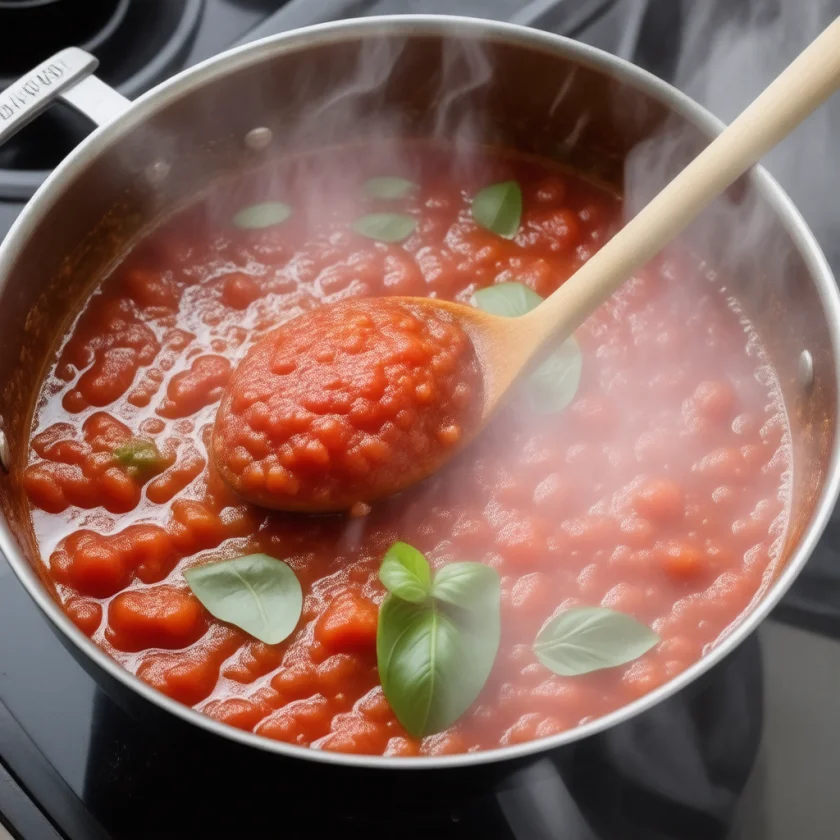
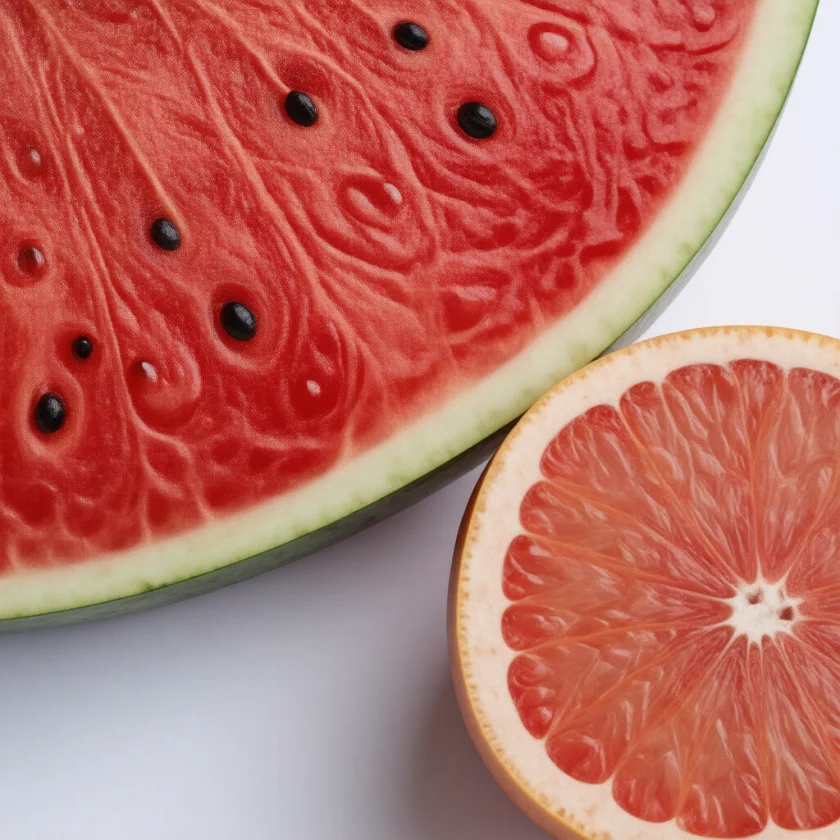
Lycopene is the red carotenoid pigment of tomatoes, watermelon, pink grapefruit, papaya and guava (van Breemen and Pajkovic, 2008). In a 1989 laboratory study it had the highest singlet-oxygen quenching rate constant of the carotenoids measured, and it has been studied widely as a dietary antioxidant; the same study noted that, at the concentrations found in blood plasma, the quenching capacities of lycopene, beta-carotene and vitamin E are of comparable magnitude. A laboratory antioxidant effect does not by itself show a benefit in people. The four deep-dive pages below cover the main research areas: the mixed prostate-cancer evidence, the cardiovascular research on blood lipids, blood pressure and vascular markers, the skin photoprotection trials, and the food science of how processing and dietary fat change how much lycopene is absorbed.
Deep-Dive Articles
Prostate Health
The 1995 Health Professionals Follow-Up Study that started the interest, the U.S. FDA evidence review (published 2007) that found no credible evidence linking lycopene intake to lower prostate-cancer risk and very limited evidence for tomatoes, the null serum-lycopene result from a study within the Prostate Cancer Prevention Trial, the 2011 Cochrane conclusion, and the BPH and processed-tomato dose-response research.
Read the deep dive →Heart & Cardiovascular
LDL-cholesterol oxidation and the oxidized-LDL theory of atherosclerosis, plasma-lycopene studies within large cohorts, and the meta-analyses of intervention trials that found lower LDL cholesterol (at 25 mg a day or more), lower systolic blood pressure and improved endothelial function.
Read the deep dive →Skin & Sun Protection
Carotenoid photoprotection from the inside out. The tomato-paste trials that reported less UV-induced redness, the measures on which they found no significant difference, and the markers of collagen breakdown and skin damage they examined.
Read the deep dive →Sources & Bioavailability
The counter-intuitive food science: in a 1997 study more lycopene was absorbed from tomato paste than from fresh tomatoes, and researchers attribute the effect of processing to the breakdown of the tomato cell matrix; the research on heat-formed cis isomers; how adding olive oil or avocado raised lycopene absorption in human studies; plus watermelon as a raw source.
Read the deep dive →Table of Contents
What Lycopene Is and Why It Is Studied
Lycopene is a red carotenoid pigment. Its molecule has 11 conjugated and two non-conjugated double bonds, which make it highly reactive toward oxygen and free radicals (van Breemen and Pajkovic, 2008). In a 1989 laboratory study, Di Mascio, Kaiser and Sies measured a physical quenching rate constant with singlet oxygen of 31 × 109 M−1 s−1 for lycopene, the highest of the carotenoids tested, against 14 × 109 for beta-carotene and 0.3 × 10⁹ for alpha-tocopherol (vitamin E). These are test-tube rate constants. The authors noted that the compounds with low rate constants circulate at higher plasma levels, and that once this is taken into account the singlet-oxygen quenching capacities of lycopene, beta-carotene, albumin-bound bilirubin and alpha-tocopherol in plasma are of comparable magnitude. The Linus Pauling Institute notes that the relevance of singlet-oxygen quenching to human health is less clear than its importance in plants.
Unlike beta-carotene, lycopene lacks a beta-ionone ring and therefore has no provitamin A activity (van Breemen and Pajkovic, 2008): the body cannot convert it into vitamin A. The Linus Pauling Institute notes that no overt deficiency symptoms have been identified in people eating low-carotenoid diets if they get adequate vitamin A, and that in 2000 the Food and Nutrition Board of the Institute of Medicine judged the evidence insufficient to set a recommended dietary allowance or adequate intake for carotenoids. The research on lycopene therefore concerns possible effects beyond the correction of a deficiency.
The three benefit areas with the most research each rest on a different proposed mechanism:
- Antioxidant / anti-oxidative-stress signaling — the classic hypothesis. Rao and Agarwal (2000) describe lycopene's antioxidant properties as thought to be primarily responsible for its proposed benefits in cancer and cardiovascular disease, with other proposed mechanisms including communication between cells through gap junctions and hormonal, immune and metabolic pathways. In cell experiments, lycopene up-regulated the antioxidant response element, which leads cells to make their own cytoprotective enzymes (reviewed by van Breemen and Pajkovic, 2008); the Linus Pauling Institute describes this element as the target of the Nrf2 pathway and says that only some evidence suggests carotenoids act through it. This is laboratory work, not a result shown in people.
- Photoprotection — dietary carotenoids are distributed into light-exposed tissues such as the skin (Stahl and Sies, 2007), and carotenoids can scavenge the reactive oxygen species formed when UV light strikes it (Stahl and colleagues, 2001). This is the basis of the skin research.
- Effects on prostate cells — oral lycopene is bioavailable and accumulates in prostate tissue, and in vitro experiments indicate induction of apoptosis, reduced proliferation of cancer cells and anti-metastatic activity (van Breemen and Pajkovic, 2008). This is the mechanistic basis of the prostate hypothesis; the same review notes that adequately powered clinical studies are still needed to confirm lycopene's efficacy, and the prostate page covers the human evidence.
A recurring question across the four pages is the whole-food versus isolated-supplement distinction. In a rat model of prostate cancer, rats fed whole tomato powder had a lower risk of death with prostate cancer than controls (hazard ratio 0.74), while rats fed purified lycopene did not differ from controls; the authors suggested that tomato products contain compounds in addition to lycopene that modify prostate carcinogenesis (Boileau and colleagues, 2003). That was an animal study. In people, a meta-analysis of observational studies found cooked tomatoes and sauces associated with lower prostate-cancer risk (relative risk 0.84) but no association for raw tomatoes (0.96) (Rowles and colleagues, 2018), and Giovannucci's 1999 review noted that numerous other potentially beneficial compounds are present in tomatoes and may contribute.
Research Papers: Prostate Health
- Giovannucci E, et al. (1995). Intake of carotenoids and retinol in relation to risk of prostate cancer. Journal of the National Cancer Institute — PubMed PMID: 7473833
- Giovannucci E (1999). Tomatoes, tomato-based products, lycopene, and cancer: review of the epidemiologic literature. Journal of the National Cancer Institute — PubMed PMID: 10050865
- Kavanaugh CJ, et al. (2007). The U.S. Food and Drug Administration's evidence-based review for qualified health claims: tomatoes, lycopene, and cancer. Journal of the National Cancer Institute — PubMed PMID: 17623802
- Kristal AR, et al. (2011). Serum lycopene concentration and prostate cancer risk: results from the Prostate Cancer Prevention Trial. Cancer Epidemiology, Biomarkers & Prevention — PubMed PMID: 21335507
- Ilic D, et al. (2011). Lycopene for the prevention of prostate cancer. Cochrane Database of Systematic Reviews — PubMed PMID: 22071840
- Rowles JL 3rd, et al. (2018). Processed and raw tomato consumption and risk of prostate cancer: a systematic review and dose-response meta-analysis. Prostate Cancer and Prostatic Diseases — PubMed PMID: 29317772
- Boileau TW, et al. (2003). Prostate carcinogenesis in N-methyl-N-nitrosourea (NMU)-testosterone-treated rats fed tomato powder, lycopene, or energy-restricted diets. Journal of the National Cancer Institute — PubMed PMID: 14600090
- van Breemen RB, Pajkovic N (2008). Multitargeted therapy of cancer by lycopene. Cancer Letters — PubMed PMID: 18585855
Research Papers: Heart & Cardiovascular
- Rao AV, Agarwal S (2000). Role of antioxidant lycopene in cancer and heart disease. Journal of the American College of Nutrition — PubMed PMID: 11022869
- Sesso HD, et al. (2004). Plasma lycopene, other carotenoids, and retinol and the risk of cardiovascular disease in women. American Journal of Clinical Nutrition — PubMed PMID: 14684396
- Ried K, Fakler P (2011). Protective effect of lycopene on serum cholesterol and blood pressure: meta-analyses of intervention trials. Maturitas — PubMed PMID: 21163596
- Cheng HM, et al. (2017). Tomato and lycopene supplementation and cardiovascular risk factors: a systematic review and meta-analysis. Atherosclerosis — PubMed PMID: 28129549
- Mordente A, et al. (2011). Lycopene and cardiovascular diseases: an update. Current Medicinal Chemistry — PubMed PMID: 21291369
- Di Mascio P, Kaiser S, Sies H (1989). Lycopene as the most efficient biological carotenoid singlet oxygen quencher. Archives of Biochemistry and Biophysics — PubMed PMID: 2802626
Research Papers: Skin & Sun Protection
- Stahl W, et al. (2001). Dietary tomato paste protects against ultraviolet light-induced erythema in humans. Journal of Nutrition. — PubMed PMID: 11340098
- Rizwan M, et al. (2011). Tomato paste rich in lycopene protects against cutaneous photodamage in humans in vivo: a randomized controlled trial. British Journal of Dermatology. — PubMed PMID: 20854436
- Grether-Beck S, et al. (2017). Molecular evidence that oral supplementation with lycopene or lutein protects human skin against ultraviolet radiation. British Journal of Dermatology. — PubMed PMID: 27662341
- Stahl W, Sies H (2007). Carotenoids and flavonoids contribute to nutritional protection against skin damage from sunlight. Molecular Biotechnology. — PubMed PMID: 17914160
Research Papers: Sources & Bioavailability
- Gärtner C, Stahl W, Sies H (1997). Lycopene is more bioavailable from tomato paste than from fresh tomatoes. American Journal of Clinical Nutrition. — PubMed PMID: 9209178
- Unlu NZ, et al. (2005). Carotenoid absorption from salad and salsa by humans is enhanced by the addition of avocado or avocado oil. Journal of Nutrition. — PubMed PMID: 15735074
- Fielding JM, et al. (2005). Increases in plasma lycopene concentration after consumption of tomatoes cooked with olive oil. Asia Pacific Journal of Clinical Nutrition. — PubMed PMID: 15927929
- Edwards AJ, et al. (2003). Consumption of watermelon juice increases plasma concentrations of lycopene and beta-carotene in humans. Journal of Nutrition. — PubMed PMID: 12672916
External Authoritative Resources
- Linus Pauling Institute — Carotenoids (Lycopene) Micronutrient Information Center — a university institute's summary of carotenoid research
- NIH Office of Dietary Supplements — Dietary Supplement Fact Sheets
- USDA FoodData Central — searchable lycopene content of tomato products, watermelon, and grapefruit
- PubMed — All research on lycopene