Grape Seed Extract — Benefits Deep Dive
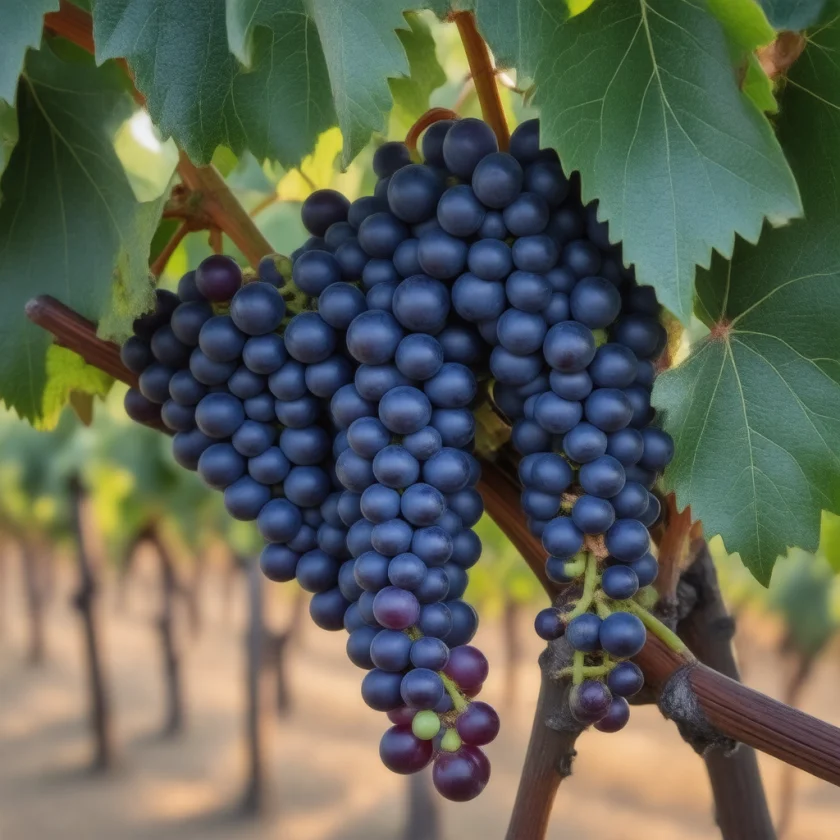
Grape seed extract (GSE) is concentrated from the seeds of Vitis vinifera and is one of the richest dietary sources of oligomeric proanthocyanidins (OPCs) — catechin and epicatechin polyphenols that scavenge free radicals in laboratory tests and have a particular affinity for collagen, elastin, and the vascular endothelium. Its human research clusters around blood vessels: meta-analyses of randomized trials report modest reductions in systolic blood pressure (about 1.5 to 6 mmHg on average), and small trials report less leg swelling, while the grape-seed-specific evidence for chronic venous insufficiency is thin (a 2020 Cochrane review of phlebotonics included only one grape seed trial among 56). Its antioxidant and skin effects are biochemically plausible and heavily studied in the laboratory, but the human clinical evidence there is far more preliminary. The four deep-dive pages below separate what is well-established from what is still emerging, and the fourth explains how OPC standardization, dosing, and drug interactions (especially with blood thinners) actually work.
Deep-Dive Articles
Circulation & Veins
One of the longest-studied uses, though the grape-seed-specific trials are few and small. Chronic venous insufficiency, leg heaviness and edema, capillary fragility, and the European venotonic tradition of standardized OPCs. How proanthocyanidins are thought to stabilize vein and capillary walls (mostly laboratory evidence), what the Cochrane phlebotonics review concluded (a slight reduction in edema for the drug class, with only one grape seed trial among 56), and where the evidence is modest versus thin.
Read the deep dive →Heart & Blood Pressure
The honest effect sizes. Meta-analyses of randomized trials report systolic blood-pressure reductions of about 1.5 to 6 mmHg on average, larger in younger, obese, and metabolic-syndrome subgroups, and not every well-controlled trial found a significant effect. Endothelial function (flow-mediated dilation did not change in a 12-week trial), LDL oxidation, and lipids — plus what the evidence does not show (it has not been established as a substitute for antihypertensive medication).
Read the deep dive →Antioxidant & Skin
Grape seed OPCs are potent free-radical scavengers in test-tube and animal studies. This page separates that laboratory antioxidant capacity from proven human benefit, reviews the mostly-preclinical UV photoprotection and collagen research, and sets realistic expectations for skin, pigmentation, and wound-healing claims.
Read the deep dive →Safety & Standardization
What "standardized to 95% OPCs" means, why degree of polymerization and bioavailability matter, the doses used in research (roughly 150–400 mg/day in most trials, up to 2,500 mg/day in a 4-week safety study), and the safety profile. The concern raised most often is bleeding: antiplatelet and anticoagulant activity in laboratory studies raises a possible additive effect with warfarin and antiplatelet drugs, although an 8-week human trial at 300 mg/day found no change in platelet aggregation. This page also covers CYP-enzyme interactions and how products differ in quality.
Read the deep dive →Table of Contents
Why Grape Seed Extract's Benefits Are Vascular
Most polyphenol supplements are marketed as generic "antioxidants," but grape seed extract has an unusually specific biological signature. Oligomeric proanthocyanidins are not distributed evenly through the body after ingestion — they interact preferentially with proteins that are rich in proline and hydroxyproline, above all collagen and elastin, the two structural proteins that give blood vessel walls their strength and elasticity. This affinity — the same chemistry behind leather tanning and the astringency of red wine — is the thread that ties together grape seed extract's most credible clinical effects.
Three proposed mechanisms, all vascular and based mainly on laboratory and animal work, run through most of this research:
- Collagen and elastin stabilization — OPCs associate with these proteins, and in laboratory tests grape seed procyanidins inhibit the enzymes (collagenase, elastase) that degrade them, which is thought to help maintain the integrity of vein walls and capillary basement membranes. This is the proposed mechanism behind the chronic venous insufficiency and capillary-fragility uses, where the human trials are small.
- Endothelial and nitric-oxide effects — in laboratory preparations, grape seed procyanidins produce endothelium-dependent relaxation of blood vessels through nitric-oxide release. This is the proposed route to the modest blood-pressure and flow-mediated-dilation findings; in people, flow-mediated dilation did not change in a 12-week trial, and nitric-oxide metabolites did not change in an 8-week trial.
- Free-radical scavenging — OPCs quench reactive oxygen species and can protect LDL cholesterol from oxidation in laboratory systems. This is the most cited but least clinically proven property; the antioxidant and skin page addresses the gap between test-tube potency and human outcomes honestly.
A responsible reading of the literature keeps these tiers in order. The blood-pressure evidence is the most pooled: meta-analyses report modest systolic reductions whose size differs between analyses, and not every trial found an effect. The circulation and vein evidence rests on a long European venotonic tradition, a few small grape seed trials, and a Cochrane review of the phlebotonic drug class that found a slight reduction in edema, with only one grape seed trial among its 56. The antioxidant and skin evidence is mechanistically rich but clinically preliminary. The fourth deep dive on safety and standardization covers the safety concern raised most often: grape seed extract shows antiplatelet and anticoagulant activity in laboratory studies, which raises a possible interaction with blood-thinning medication, although an 8-week human trial at 300 mg/day found no change in platelet aggregation.
Research Papers: Circulation & Veins
- Martinez-Zapata MJ et al. (2020). Phlebotonics for venous insufficiency. Cochrane Database of Systematic Reviews 11:CD003229 — PubMed PMID: 33141449
- Sano A et al. (2013). Proanthocyanidin-rich grape seed extract reduces leg swelling in healthy women during prolonged sitting. Journal of the Science of Food and Agriculture — PubMed PMID: 22752876
- Fitzpatrick DF et al. (2002). Vasodilating procyanidins derived from grape seeds. Annals of the New York Academy of Sciences — PubMed PMID: 12074963
- Odai T et al. (2019). Effects of grape seed proanthocyanidin extract on vascular endothelial function in participants with prehypertension. Nutrients — PubMed PMID: 31757033
- Maffei Facino R et al. (1994). Free radicals scavenging action and anti-enzyme activities of procyanidines from Vitis vinifera. A mechanism for their capillary protective action. Arzneimittelforschung 44(5):592–601 — PubMed PMID: 8024628
Research Papers: Heart & Blood Pressure
- Feringa HH et al. (2011). The effect of grape seed extract on cardiovascular risk markers: a meta-analysis of randomized controlled trials. Journal of the American Dietetic Association — PubMed PMID: 21802563
- Zhang H et al. (2016). The impact of grape seed extract treatment on blood pressure changes: a meta-analysis of 16 randomized controlled trials. Medicine (Baltimore) — PubMed PMID: 27537554
- Sivaprakasapillai B et al. (2009). Effect of grape seed extract on blood pressure in subjects with the metabolic syndrome. Metabolism — PubMed PMID: 19608210
- Ras RT et al. (2013). Effect of polyphenol-rich grape seed extract on ambulatory blood pressure in subjects with pre- and stage I hypertension. British Journal of Nutrition — PubMed PMID: 23702253
- Anjom-Shoae J et al. (2020). Effects of grape seed extract on dyslipidaemia: a systematic review and dose-response meta-analysis of randomised controlled trials. British Journal of Nutrition — PubMed PMID: 32138795
Research Papers: Antioxidant & Skin
- Bagchi D et al. (2014). Free radical scavenging, antioxidant and cancer chemoprevention by grape seed proanthocyanidin: an overview. Mutation Research. — PubMed PMID: 24751946
- Afaq F, Katiyar SK (2011). Polyphenols: skin photoprotection and inhibition of photocarcinogenesis. Mini-Reviews in Medicinal Chemistry. — PubMed PMID: 22070679
- Khanna S et al. (2002). Dermal wound healing properties of redox-active grape seed proanthocyanidins. Free Radical Biology and Medicine. — PubMed PMID: 12374620
- Lu MC et al. (2018). Effect of oligomeric proanthocyanidin on antioxidant status and lung function in patients with COPD. In Vivo. — PubMed PMID: 29936455
Research Papers: Safety & Standardization
- Sano A (2017). Safety assessment of 4-week oral intake of proanthocyanidin-rich grape seed extract in healthy subjects. Food and Chemical Toxicology. — PubMed PMID: 27889390
- Shi J et al. (2003). Polyphenolics in grape seeds — biochemistry and functionality. Journal of Medicinal Food. — PubMed PMID: 14977436
- Bijak M et al. (2019). Dual anticoagulant/antiplatelet activity of polyphenolic grape seeds extract. Nutrients. — PubMed PMID: 30621248
- Wanwimolruk S et al. (2009). Variable inhibitory effect of different brands of commercial herbal supplements on human cytochrome P-450 CYP3A4. Drug Metabolism and Drug Interactions. — PubMed PMID: 19353999
- Ras RT et al. (2013). Effect of polyphenol-rich grape seed extract on ambulatory blood pressure in subjects with pre- and stage I hypertension. British Journal of Nutrition. — PubMed PMID: 23702253
External Authoritative Resources
- NCCIH — Grape Seed Extract — the US National Center for Complementary and Integrative Health overview of uses, evidence, and safety
- Memorial Sloan Kettering — About Herbs: Grape Seed — clinician-oriented monograph with interactions and clinical summaries
- Linus Pauling Institute — Flavonoids — authoritative background on the flavan-3-ol / proanthocyanidin family
- MedlinePlus — Grape Seed — consumer drug and supplement information from the US National Library of Medicine
- PubMed — All research on grape seed extract / proanthocyanidin
Connections
- Grape Seed Extract (Main Page)
- Circulation & Veins
- Heart & Blood Pressure
- Antioxidant & Skin
- Safety & Standardization
- Grape Seed Extract History
- French Maritime Pine Bark (Pine Bark OPCs)
- Quercetin
- Resveratrol
- Anthocyanins
- Bilberry
- All Antioxidants
- Hypertension
- Varicose Veins
- Atherosclerosis
- Blueberries