Non-Essential Amino Acids

The Compounds (5)
Alanine
Alanine is a non-essential amino acid, meaning the human body can synthesize it internally from other amino acids, pyruvate, and branched-chain amino acids.
Read the deep dive →Asparagine
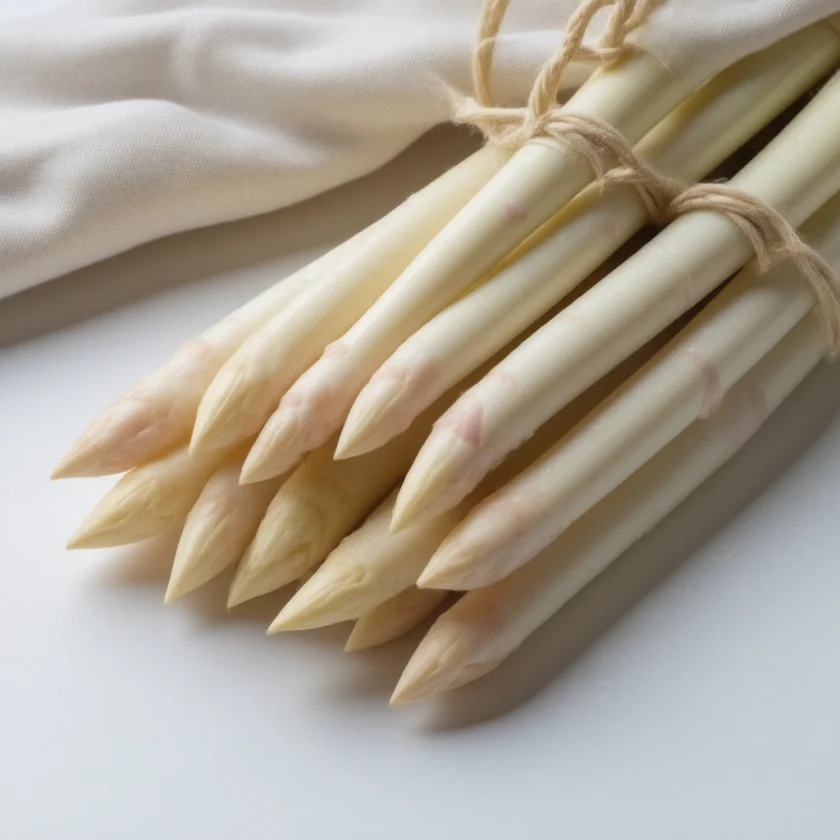
Asparagine is a non-essential amino acid that was the first amino acid ever isolated, discovered in 1806 from asparagus juice by French chemists Louis-Nicolas Vauquelin and Pierre Jean Robiquet.
Read the deep dive →Aspartic Acid
Aspartic acid is a non-essential amino acid, meaning the human body is capable of synthesizing it on its own without requiring direct dietary intake.
Read the deep dive →Glutamic Acid
Glutamic acid is a non-essential amino acid that the body can synthesize on its own, yet its biological importance cannot be overstated.
Read the deep dive →Serine
Serine is a non-essential amino acid that the body can synthesize from other metabolic intermediates, primarily from 3-phosphoglycerate, a byproduct of glycolysis.
Read the deep dive →Synthesised by the body from other amino acids and metabolic intermediates, so dietary intake is rarely the limiting factor. The interesting pages here are the ones where a supplement is sold anyway, and the evidence has to answer why more would help when the body already makes enough.