Phenylalanine: Food Sources & Daily Intake
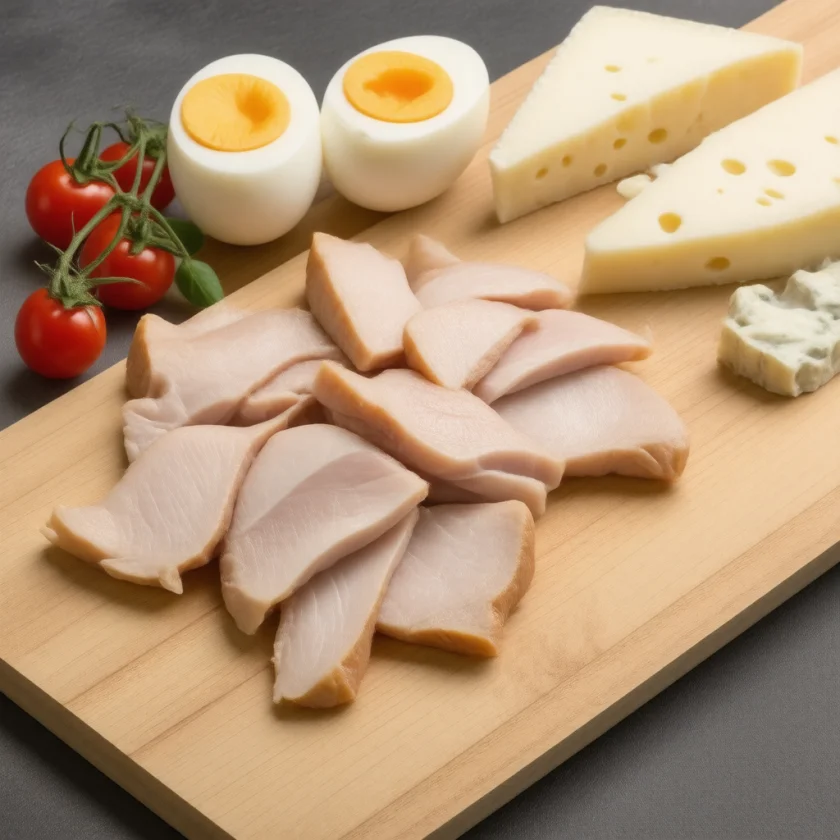
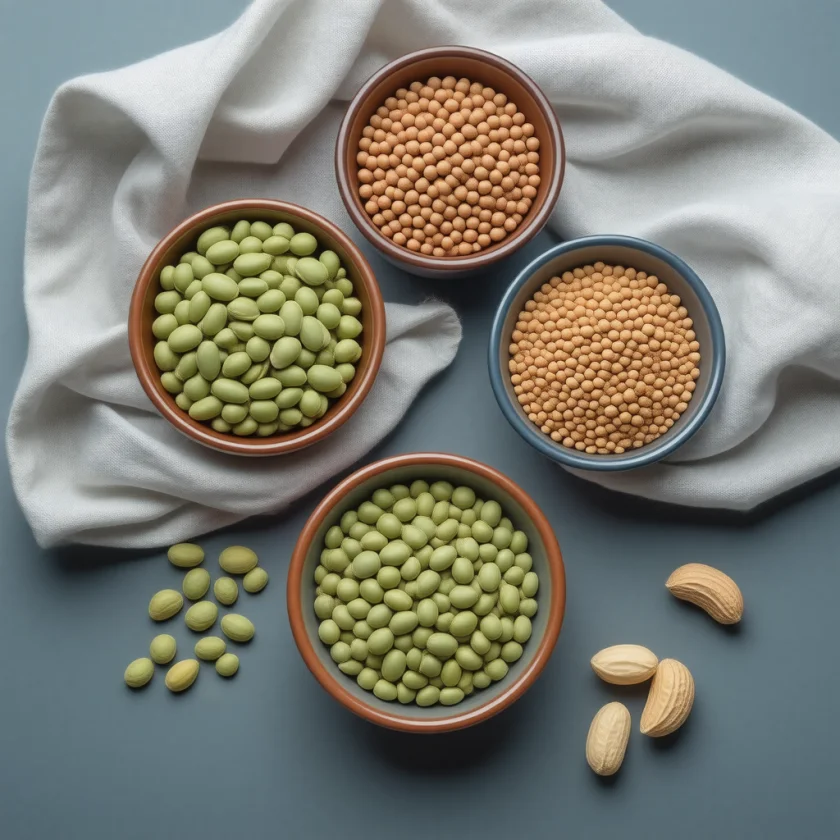
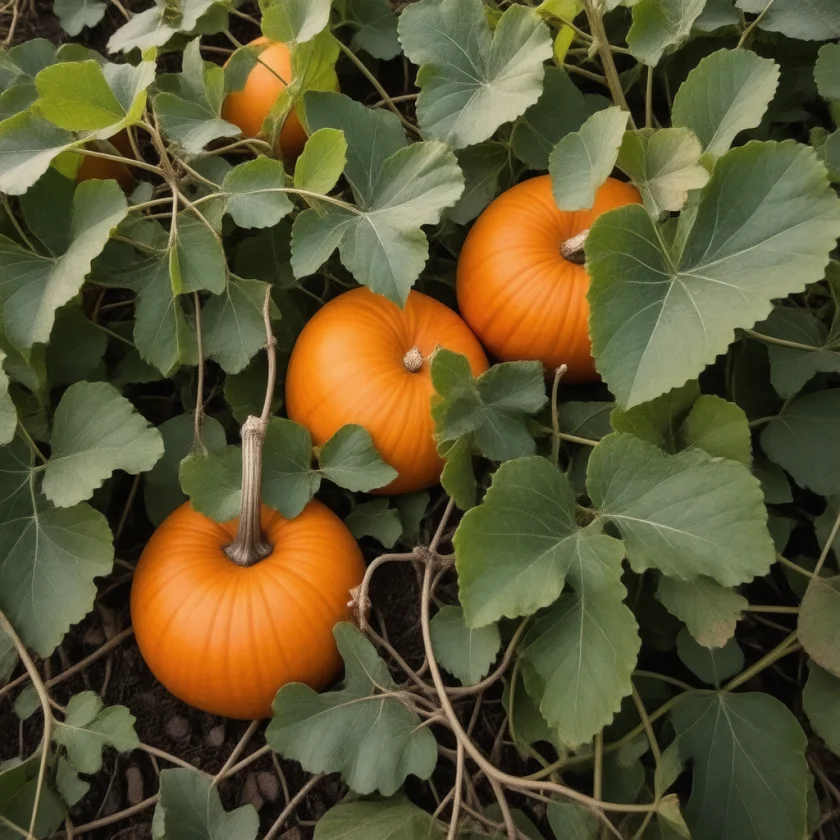
Phenylalanine is an essential amino acid — the body cannot make it, so it has to come from food. Its biggest job is to serve as the raw material for tyrosine: the liver enzyme phenylalanine hydroxylase converts one into the other, and tyrosine in turn becomes the catecholamines (dopamine and norepinephrine), thyroid hormone, and melanin, the pigment that colors skin and hair. The richest sources are concentrated animal proteins — cheese, meat, fish, eggs — followed by legumes, peanuts and seeds. The table below shows grams of phenylalanine per 100 g of food; there is no U.S. Food and Drug Administration (FDA) Daily Value for individual amino acids, so amounts are absolute.
| Phenylalanine: Food Sources & Daily Intake | |||||
|---|---|---|---|---|---|
| Rank | Food (serving) | Per 100 g | Glucose | Fructose | Notes |
| 1 | Parmesan Cheese 1 oz / 28 g | 🟢 1.9 g | — | — | Concentrated protein. |
| 2 | Pumpkin Seeds 1 oz / 28 g | 🟢 1.7 g | 0.1 | 0.1 | Top plant source. |
| 3 | Peanuts 1 oz / 28 g | 🟢 1.4 g | — | — | |
| 4 | Cheddar Cheese 1 oz / 28 g | 🟢 1.3 g | 0 | 0 | |
| 5 | Pork Organ Meats 3 oz / 85 g | 🟢 1.2 g | — | — | Nutrient-dense organ meat. |
| 6 | Chicken Breast 3 oz / 85 g | 🟢 1.2 g | 0 | 0 | |
| 7 | Beef Meat 3 oz / 85 g | 🟢 1.1 g | 0 | 0 | |
| 8 | Almonds 1 oz / 28 g | 🟢 1.1 g | 0.2 | 0.1 | |
| 9 | Pork 3 oz / 85 g | 🟢 1.1 g | 0 | 0 | |
| 10 | Salmon 3 oz / 85 g | 🟢 1.1 g | 0 | 0 | |
| 11 | Tuna 3 oz / 85 g | 🟢 1.0 g | 0 | 0 | |
| 12 | Sesame Seeds 1 oz / 28 g | 🟡 0.9 g | — | — | |
| 13 | Cod 3 oz / 85 g | 🟡 0.9 g | 0 | 0 | Lean protein. |
| 14 | Egg 1 large / 50 g | 🟡 0.7 g | — | — | |
| 15 | Chicken Organ Meats 3 oz / 85 g | 🟡 0.5 g | 0 | 0 | Nutrient-dense organ meat (giblets). |
| 16 | Brown Rice 1 cup / 195 g | ⚪ 0.1 g | 0 | 0 | Common staple. |
Table of Contents
How to Read These Tables
- Essential amino acid. Your body cannot synthesize phenylalanine, so a regular dietary supply matters. The nine essential amino acids must come from food; the other eleven the body can build itself. Phenylalanine is also the precursor the body uses to make tyrosine.
- Grams per 100 g, not %DV. There is no U.S. Food and Drug Administration Daily Value for individual amino acids, so this table reports the absolute grams per 100 g of food and ranks foods by that. A typical serving is shown beside each food.
- Complete vs incomplete protein. Animal foods are “complete” — they carry all the essential amino acids in good proportion. Most single plant foods are lower in one or two; eating a variety of legumes, nuts and seeds across the day covers the gaps.
Recommended Intakes & Upper Limits
Phenylalanine has no Daily Value: the U.S. food-label rules (21 CFR 101.9) set none for it, and the green and yellow marks in the food table above only rank each food against the richest food listed. The table below summarizes its status.
| Reference | Adult value | Notes |
|---|---|---|
| Essential? | Yes — essential | The body cannot make it; it must come from food. |
| Adult requirement | 25 mg/kg/day (phenylalanine + tyrosine) | WHO/FAO/UNU 2007 estimate for the two aromatic amino acids combined. |
| ≈ for a 70 kg adult | ~1.75 g/day (combined) | Easily met by a normal protein intake (~0.8 g protein/kg). |
| Richest in | Animal protein & legumes | Cheese, meat, fish, eggs, then lentils, beans, peanuts and seeds. |
| Why it matters | Precursor to tyrosine | Feeds dopamine, norepinephrine, thyroid hormone and melanin — but must be restricted in PKU. |
Bioavailability & Absorption
Phenylalanine from food is well absorbed as part of dietary protein, and animal proteins (meat, fish, eggs, dairy) are both complete and phenylalanine-dense. What matters most is total protein quality and quantity: a normal intake of about 0.8 g protein per kilogram comfortably covers an adult’s combined phenylalanine-plus-tyrosine needs. Because the body converts phenylalanine into tyrosine, a diet rich in either aromatic amino acid helps supply both — which is why the requirement is set for the two together.
Cooking & Storage
Amino acids are stable to ordinary cooking — phenylalanine is not destroyed by normal heat, and cooking actually makes protein easier to digest. Very high, prolonged dry heat (charring) can damage some heat-sensitive amino acids like lysine, but phenylalanine is robust. No special handling is needed.
Vegetarian & Vegan Sources
Plant-based eaters can get plenty of phenylalanine, though plant proteins are a little less dense than animal ones. The strongest plant sources are lentils, white and other beans, chickpeas, peanuts, pumpkin and sesame seeds, and almonds. Eating a variety across the day (legumes + nuts + seeds) supplies all the essential amino acids; total protein simply needs to be a bit higher than for omnivores to reach the same amount. Because phenylalanine is the precursor to tyrosine, getting enough of it also keeps tyrosine-dependent pathways — dopamine, thyroid hormone, melanin — well supplied.
Who Needs to Pay Attention
Outright phenylalanine deficiency is essentially unknown in anyone eating enough total protein; the real concern with this amino acid runs the other way. People born with phenylketonuria lack a working copy of phenylalanine hydroxylase, the enzyme that turns phenylalanine into tyrosine. Without it, phenylalanine builds up to levels that harm the developing brain, and the concern does not end with childhood. The 2023 guideline of the American College of Medical Genetics and Genomics strongly recommends keeping blood phenylalanine at or below 360 micromoles per liter for life in people whose untreated level is above 360, for the best intellectual outcomes and to lower the risk of birth defects, using every dietary, drug and patient-education tool available. For people with phenylketonuria, that has long meant strictly restricting dietary phenylalanine for life under medical and dietitian supervision. Phenylketonuria is caught at birth by the newborn heel-prick screening done in every U.S. state, which is why early treatment is now the norm. One practical note for everyone with phenylketonuria: the artificial sweetener aspartame breaks down into phenylalanine in the body, which is why diet sodas and sugar-free products carry a “Phenylketonurics: Contains Phenylalanine” warning. For people without phenylketonuria, phenylalanine from ordinary food is safe.
Medicines can now lower phenylalanine as well as diet. In a phase 3 trial, oral sepiapterin lowered blood phenylalanine by 63% after 6 weeks among people who had responded to it, against 1% on placebo; 73% of those tested responded. In an interim report from the open-label extension, dietary phenylalanine rose from 27.6 to 62.5 mg/kg/day on sepiapterin. In the phase 3 trials of pegvaliase, a daily injection for adults, 60.7% of participants reached 360 micromoles per liter or below within 24 months, and 12 of the 261 participants had acute whole-body allergic reactions consistent with anaphylaxis.
Pregnancy is the highest-stakes period. The same guideline strongly recommends reaching 360 micromoles per liter or below before conception. A 2025 review of 2,094 pregnancies found the lowest miscarriage rate (0.14%) when diet began before conception and levels stayed on target; off-target or untreated pregnancies had the highest rates of heart defects, unusually small heads (microcephaly) and intellectual disability.
Healthy pregnant women may need more than the reference figures. In a study of 19 women, measured needs for phenylalanine plus tyrosine were 44 mg/kg/day in early pregnancy and 50 mg/kg/day in late pregnancy, against a current estimated average requirement of 36; the authors call that estimate too low.
Key Research Papers
- NIH MedlinePlus — Phenylketonuria (PKU)
- National Academies — Dietary Reference Intakes: Protein and Amino Acids (2005), Chapter 10
- PubMed — phenylalanine and tyrosine requirements in adults. — Search PubMed
- Smith WE et al. (2025). Phenylalanine hydroxylase deficiency diagnosis and management: A 2023 evidence-based clinical guideline of the American College of Medical Genetics and Genomics (ACMG). Genetics in Medicine. — PubMed PMID: 39630157
- Muntau AC et al. (2024). Effects of oral sepiapterin on blood Phe concentration in a broad range of patients with phenylketonuria (APHENITY): results of an international, phase 3, randomised, double-blind, placebo-controlled trial. Lancet. — PubMed PMID: 39368841
- van Spronsen F et al. (2026). Effect of long-term sepiapterin treatment on dietary phenylalanine tolerance in patients with phenylketonuria: Interim results from the phase 3 APHENITY Extension Study. Genetics in Medicine. — PubMed PMID: 41537382
- Thomas J et al. (2018). Pegvaliase for the treatment of phenylketonuria: Results of a long-term phase 3 clinical trial program (PRISM). Molecular Genetics and Metabolism. — PubMed PMID: 29653686
- Leone G et al. (2025). Maternal Phenylketonuria and Offspring Outcome: A Retrospective Study with a Systematic Review of the Literature. Nutrients. — PubMed PMID: 40005006
- Ennis MA et al. (2020). Dietary Aromatic Amino Acid Requirements During Early and Late Gestation in Healthy Pregnant Women. Journal of Nutrition. — PubMed PMID: 33188409