Neem (Azadirachta indica)
Table of Contents
- Ancient Indian History and Traditional Use
- Key Antibacterial Compounds
- Mechanism of Antibacterial Action
- Bacteria Targeted by Neem
- Research Studies and Clinical Evidence
- Dental and Oral Health
- Skin Infections and Dermatology
- Gastrointestinal Antibacterial Uses
- Agricultural and Environmental Antibacterial Uses
- Every Part of the Tree
- Synergistic Effects with Other Herbs
- Other Health Benefits Beyond Antibacterial Activity
- Forms and Preparations
- Recommended Dosage
- Safety and Contraindications
- Key Research Papers and References
- Featured Videos
Ancient Indian History and Traditional Use
Neem (Azadirachta indica) holds an unparalleled place in the history of Indian medicine, earning the Sanskrit name "Arishtha," meaning reliever of sickness, and the widely recognized title of "village pharmacy" across rural India. For more than 4,500 years, virtually every part of this hardy evergreen tree has been employed in the treatment of infections, fevers, skin diseases, and inflammatory conditions. Archaeological evidence from the Indus Valley Civilization suggests that neem was already cultivated and used medicinally as early as 2500 BCE, making it one of the oldest documented medicinal plants in human history.
In the classical Ayurvedic tradition, neem occupies a position of extraordinary importance. The Charaka Samhita, composed around the second century BCE and regarded as one of the foundational texts of Ayurveda, describes neem in considerable detail, prescribing leaf decoctions for skin eruptions, fever reduction, and blood purification. The Sushruta Samhita, the ancient surgical treatise, recommends neem preparations for wound cleansing and post-surgical care, recognizing what modern science would later identify as its potent antibacterial activity. In Sanskrit literature, neem is also referred to as "Nimba," derived from the term "Nimbati Swasthyamdadati," which translates to "that which gives good health."
Beyond the boundaries of formal Ayurvedic medicine, neem became deeply integrated into everyday Indian life. Villagers would chew neem twigs each morning to clean their teeth, hang neem branches above doorways to ward off insects and illness, and bathe in neem-infused water to treat skin conditions. During smallpox epidemics, neem leaves were placed on the beds of the afflicted, and neem paste was applied to lesions. The Unani medical system, influenced by Greco-Arabic traditions, similarly adopted neem for its purifying and antimicrobial qualities. In traditional African medicine, neem was introduced centuries ago and became valued for treating malaria, intestinal parasites, and bacterial infections. This remarkable cross-cultural consensus about neem's healing properties provided the foundation for modern scientific investigation into its antibacterial mechanisms.
Key Antibacterial Compounds
Neem contains an extraordinarily complex phytochemistry, with more than 300 identified bioactive compounds. Among these, several have been singled out by researchers for their potent antibacterial activity, each contributing through distinct molecular mechanisms to the tree's broad-spectrum antimicrobial effects.
- Nimbidin: A major bioactive compound extracted primarily from neem seed oil, nimbidin is a complex mixture of tetranortriterpenes that demonstrates powerful antibacterial, anti-inflammatory, and antiulcer properties. Research has shown that nimbidin disrupts bacterial cell membrane integrity, leading to lysis and cell death. It is particularly effective against Gram-positive bacteria and has been studied extensively for its ability to inhibit the growth of Staphylococcus aureus at relatively low concentrations.
- Nimbin: A triterpenoid compound found abundantly in neem leaves and seeds, nimbin exhibits significant antibacterial activity alongside its well-documented antiviral, antifungal, and antipyretic effects. Nimbin interferes with bacterial protein synthesis pathways and has demonstrated inhibitory activity against both Gram-positive and Gram-negative organisms. Studies published in phytochemistry journals have confirmed its role as one of the primary contributors to neem leaf extract's antimicrobial potency.
- Azadirachtin: Perhaps the most extensively studied neem compound, azadirachtin is a complex limonoid that serves as the tree's primary defense against insects and pathogens. While most recognized for its insecticidal properties, azadirachtin also possesses notable antibacterial activity, particularly against soil-borne and plant-pathogenic bacteria. Its molecular structure allows it to interfere with bacterial quorum sensing, disrupting the communication pathways that bacteria rely upon to coordinate virulence factor production and biofilm formation.
- Gedunin: A tetranortriterpenoid present in neem bark and seeds, gedunin has attracted significant research interest for its antibacterial and antimalarial properties. Gedunin inhibits the bacterial heat shock protein 90 (Hsp90), a chaperone protein essential for proper folding and function of bacterial enzymes critical to survival. This mechanism makes gedunin effective against bacteria that have developed resistance to conventional antibiotics, as it targets a pathway distinct from those affected by standard antimicrobial drugs.
- Nimbolide: Among the most pharmacologically potent compounds in neem, nimbolide is a limonoid found in leaves and flowers that demonstrates exceptional antibacterial activity. Research published in the Journal of Ethnopharmacology has shown that nimbolide achieves minimum inhibitory concentrations (MIC) against several pathogenic bacteria at levels comparable to some conventional antibiotics. Its mechanism involves the generation of reactive oxygen species within bacterial cells, overwhelming their antioxidant defense systems and causing oxidative damage to DNA, proteins, and lipids.
- Quercetin: A flavonoid present in neem leaves, quercetin is a well-characterized polyphenol with broad-spectrum antibacterial properties. Quercetin damages bacterial cell membranes by intercalating into the lipid bilayer and increasing permeability. It also chelates metal ions that are essential cofactors for bacterial enzymes, effectively starving bacteria of the trace minerals they require for metabolic function. Additionally, quercetin inhibits bacterial DNA gyrase, an enzyme critical for DNA replication, through a mechanism analogous to that of fluoroquinolone antibiotics.
Mechanism of Antibacterial Action
Cell Wall and Membrane Disruption: The antibacterial activity of neem operates through several complementary mechanisms, the most fundamental of which involves direct damage to bacterial cell walls and membranes. Neem's triterpenoid compounds, particularly nimbidin and nimbolide, insert themselves into the phospholipid bilayer of bacterial cell membranes, disrupting the ordered arrangement of lipid molecules and creating pores that compromise membrane integrity. This leads to leakage of intracellular contents, loss of membrane potential, and ultimately cell lysis. The effect is especially pronounced against Gram-positive bacteria, whose single-layer peptidoglycan cell walls offer less protection against membrane-targeting agents. However, neem compounds also penetrate the outer membrane of Gram-negative bacteria through porin channels, subsequently attacking the inner cytoplasmic membrane.
Enzyme Inhibition: Neem compounds exert antibacterial effects by inhibiting key enzymes required for bacterial survival and replication. Azadirachtin and nimbin have been shown to inhibit bacterial topoisomerases, enzymes essential for DNA unwinding during replication. Gedunin targets the bacterial Hsp90 chaperone system, preventing proper folding of critical metabolic enzymes. Quercetin inhibits DNA gyrase and dihydrofolate reductase, enzymes involved in DNA synthesis and folate metabolism, respectively. By simultaneously targeting multiple enzymatic pathways, neem extracts make it extremely difficult for bacteria to develop resistance through single-point mutations, a significant advantage over conventional antibiotics that typically target only one pathway.
Anti-Adhesion Properties: A particularly important mechanism of neem's antibacterial action involves the prevention of bacterial adhesion to host tissues. Many pathogenic bacteria must first adhere to epithelial surfaces before they can colonize and cause infection. Neem compounds interfere with bacterial adhesins, the surface proteins and fimbriae that bacteria use to anchor themselves to host cell receptors. Research has demonstrated that neem leaf extracts significantly reduce the adhesion of Streptococcus mutans to tooth enamel and inhibit the attachment of Escherichia coli to urinary tract epithelial cells. Furthermore, neem compounds disrupt biofilm formation by interfering with bacterial quorum sensing molecules, preventing the coordinated gene expression that allows bacteria to form the protective polysaccharide matrices characteristic of mature biofilms. This anti-biofilm activity is particularly valuable because bacteria within biofilms can be up to 1,000 times more resistant to antibiotics than their planktonic counterparts.
Bacteria Targeted by Neem
Neem has demonstrated laboratory-confirmed antibacterial activity against a remarkably broad spectrum of pathogenic bacteria. Research spanning several decades has documented its effectiveness against both Gram-positive and Gram-negative organisms, including many species of critical clinical importance.
- Staphylococcus aureus: Neem extracts show potent activity against S. aureus, including methicillin-resistant strains (MRSA). Studies have reported minimum inhibitory concentrations of neem leaf ethanol extracts as low as 3.12 mg/mL against clinical MRSA isolates. Neem oil applied topically has been shown to reduce S. aureus colony counts on infected skin by more than 90 percent within 72 hours in controlled trials. This effectiveness against drug-resistant staphylococci has generated considerable interest in neem as an adjunct to conventional antibiotic therapy.
- Streptococcus mutans: The primary causative agent of dental caries, S. mutans is highly susceptible to neem's antibacterial compounds. Multiple studies have confirmed that neem bark and leaf extracts inhibit the growth, acid production, and biofilm formation of S. mutans at concentrations readily achievable through oral application. Neem-based mouthwashes have demonstrated reductions in salivary S. mutans counts comparable to chlorhexidine in clinical trials.
- Escherichia coli: Neem extracts demonstrate significant activity against pathogenic strains of E. coli, including enterotoxigenic and enteropathogenic varieties responsible for diarrheal disease. Research has shown that neem leaf aqueous extracts inhibit the growth of E. coli and reduce its ability to produce heat-labile and heat-stable enterotoxins. Neem seed kernel extracts have proven particularly effective, with zones of inhibition exceeding 20 mm in disc diffusion assays.
- Salmonella species: Both Salmonella typhi and Salmonella typhimurium are susceptible to neem's antibacterial effects. Studies have demonstrated that neem leaf and bark extracts inhibit Salmonella growth at concentrations that are safe for human consumption, suggesting potential applications in food safety and the treatment of enteric fever. Neem oil has also shown promise as a natural food preservative against Salmonella contamination.
- Pseudomonas aeruginosa: This notoriously drug-resistant opportunistic pathogen is inhibited by neem extracts, though higher concentrations are generally required compared to Gram-positive organisms. Research has shown that neem compounds disrupt the quorum sensing systems of P. aeruginosa, reducing its production of virulence factors including pyocyanin, elastase, and rhamnolipid. This anti-virulence approach may prove valuable as a complement to conventional antibiotic therapy for Pseudomonas infections.
- Mycobacterium tuberculosis: Preliminary but encouraging research has identified antibacterial activity of neem against M. tuberculosis, the causative agent of tuberculosis. Nimbolide and gedunin have shown inhibitory activity against both drug-sensitive and multidrug-resistant strains of M. tuberculosis in vitro. While neem is not a substitute for standard anti-tuberculosis chemotherapy, these findings suggest potential roles as an adjunctive agent, particularly in resource-limited settings where drug-resistant tuberculosis poses a growing threat.
Research Studies and Clinical Evidence
The antibacterial properties of neem have been the subject of extensive scientific investigation, with hundreds of peer-reviewed studies published across pharmacology, microbiology, and ethnobotany journals. The body of evidence ranges from in vitro laboratory studies establishing minimum inhibitory concentrations to clinical trials evaluating neem-based formulations in human patients.
Research published in the Indian Journal of Natural Products and Resources has systematically characterized the antibacterial activity of neem leaf, bark, and seed extracts against panels of clinical bacterial isolates. A landmark study by Subapriya and Nagini (2005) provided a comprehensive review of neem's antimicrobial compounds, establishing the structure-activity relationships of key limonoids and their relative potencies against different bacterial species. Their work demonstrated that ethanol and methanol extracts of neem leaves consistently outperformed aqueous extracts in antibacterial assays, a finding attributed to the improved solubility of hydrophobic triterpenoids in organic solvents. Subsequent studies in the same journal confirmed dose-dependent antibacterial activity across all tested neem preparations, with seed oil fractions showing the highest potency per unit weight.
The Journal of Ethnopharmacology has published numerous investigations into neem's antibacterial mechanisms. A widely cited study by Bohora and colleagues (2010) demonstrated that neem leaf extract at 50 percent concentration produced zones of inhibition against S. mutans and Lactobacillus species comparable to those of 0.2 percent chlorhexidine. Research by Almas and Al-Zeid (2004), published in the same journal, compared the antibacterial efficacy of neem chewing sticks with commercial toothbrushes and found comparable bacterial reduction on tooth surfaces. Clinical trials published in the Journal of Clinical and Diagnostic Research have evaluated neem mouthwash formulations, demonstrating statistically significant reductions in plaque index, gingival index, and bacterial colony counts after two to four weeks of regular use. A randomized controlled trial by Chatterjee and colleagues (2011) reported that neem-based oral care products reduced total viable bacterial counts in saliva by approximately 85 percent, a finding that has spurred commercial development of neem-containing dental products.
Dental and Oral Health
The use of neem for dental hygiene represents perhaps the most ancient and widespread application of this tree's antibacterial properties. For millennia, hundreds of millions of people across South Asia, Africa, and the Middle East have used neem twigs, known as "datun" in Hindi, as natural toothbrushes. The practice involves chewing the end of a fresh neem twig until the fibers separate into bristles, then using these soft bristles to clean the teeth and gums. This simple daily ritual delivers a concentrated dose of antibacterial compounds directly to the oral cavity, and epidemiological studies have noted lower rates of dental caries in populations that maintain traditional neem twig use compared to those using conventional toothbrushes without fluoride toothpaste.
Modern research has validated the effectiveness of neem against the bacteria most responsible for dental disease. Streptococcus mutans, the primary initiator of dental caries, is highly susceptible to neem's antibacterial compounds. Studies have shown that neem bark extract inhibits the glucosyltransferase enzymes that S. mutans uses to produce the sticky glucan polymers essential for dental plaque formation. By disrupting this adhesion mechanism, neem not only kills existing bacteria but prevents the formation of new bacterial biofilms on tooth surfaces. Research by Wolinsky and colleagues demonstrated that neem leaf extract at concentrations as low as 6 percent significantly reduced bacterial adhesion to hydroxyapatite, the mineral component of tooth enamel.
Beyond caries prevention, neem has demonstrated significant benefits for periodontal health. Gingivitis, the inflammation of gum tissue caused primarily by bacterial plaque accumulation along the gingival margin, responds well to neem-based interventions. Clinical studies have shown that neem mouthwash reduces gingival bleeding, pocket depth, and clinical attachment loss in patients with chronic periodontitis. The anti-inflammatory properties of neem compounds complement their antibacterial effects, reducing the tissue-destructive immune response that drives periodontal bone loss. Neem's activity against Porphyromonas gingivalis, Aggregatibacter actinomycetemcomitans, and Prevotella intermedia, the key periodontal pathogens, has been confirmed in multiple in vitro studies. Several commercially available neem toothpastes and mouthwashes have been developed based on this research, and their efficacy has been validated in controlled clinical trials.
Skin Infections and Dermatology
Neem's antibacterial properties have made it a cornerstone of traditional dermatological treatment, and modern clinical research has largely confirmed its effectiveness against a range of bacterial skin infections. Acne vulgaris, one of the most common skin conditions worldwide, is driven in part by the proliferation of Cutibacterium acnes (formerly Propionibacterium acnes) within sebaceous follicles. Neem leaf extracts and neem oil have demonstrated potent activity against C. acnes in vitro, with minimum inhibitory concentrations that make topical application clinically feasible. Clinical studies have reported significant reductions in inflammatory acne lesion counts after four to eight weeks of topical neem application, with efficacy comparable to benzoyl peroxide but with fewer side effects such as dryness and irritation. The anti-inflammatory properties of nimbidin and nimbolide further contribute to acne resolution by reducing the redness and swelling associated with inflammatory papules and pustules.
Bacterial skin infections caused by Staphylococcus aureus, including boils (furuncles), impetigo, and cellulitis, have been treated with neem preparations in traditional medicine for centuries. Research has confirmed that neem oil and leaf paste applied topically create an inhospitable environment for staphylococcal proliferation. The combined antibacterial and anti-inflammatory action of neem helps to resolve established infections while preventing secondary bacterial colonization of compromised skin. For eczema (atopic dermatitis) complicated by secondary bacterial infection, a common clinical scenario particularly in children, neem-based preparations offer a dual benefit: they address the bacterial component while soothing the underlying inflammatory dermatitis. Studies have shown that neem leaf baths and topical neem creams reduce bacterial colonization density on eczematous skin and improve clinical severity scores.
Wound healing represents another area where neem's antibacterial properties provide clinical benefit. Traditional practitioners have applied neem leaf paste to wounds for millennia, and controlled studies have demonstrated accelerated wound closure, reduced bacterial contamination, and improved collagen deposition at wound sites treated with neem extracts. The mechanism involves not only direct killing of wound-colonizing bacteria but also stimulation of macrophage activity, enhancement of fibroblast proliferation, and increased angiogenesis in the wound bed. Neem honey preparations, combining the antibacterial properties of both neem and honey, have shown particularly promising results in the management of chronic wounds and burns in clinical settings.
Gastrointestinal Antibacterial Uses
The gastrointestinal tract is a primary site of action for neem's antibacterial properties, and traditional medicine has long employed neem preparations for the treatment of stomach and intestinal infections. Helicobacter pylori, the bacterium responsible for the majority of peptic ulcers and a significant risk factor for gastric cancer, has been shown to be susceptible to neem bark and leaf extracts in multiple laboratory studies. Research published in the World Journal of Gastroenterology demonstrated that neem leaf aqueous extract inhibited the growth of H. pylori clinical isolates, including strains resistant to clarithromycin and metronidazole. While neem is not a replacement for standard triple therapy for H. pylori eradication, these findings suggest potential as an adjunctive agent, particularly in regions where antibiotic resistance rates are high.
Intestinal infections caused by pathogenic bacteria represent a major cause of morbidity and mortality in developing countries, and neem has traditionally served as a front-line treatment in communities lacking access to pharmaceutical antibiotics. Research has confirmed neem's activity against the most common enteric pathogens, including Salmonella typhi, enterotoxigenic Escherichia coli, Shigella dysenteriae, and Vibrio cholerae. Neem leaf tea and aqueous extracts have been shown to reduce the duration and severity of acute bacterial diarrhea in observational studies conducted in rural Indian communities. The astringent properties of neem's tannins provide an additional anti-diarrheal effect by reducing intestinal secretion and slowing gut motility.
In the context of food safety, neem extracts have demonstrated the ability to inhibit the growth of food-borne pathogens including Salmonella species, Listeria monocytogenes, and Bacillus cereus. Food poisoning caused by these organisms remains a significant public health burden worldwide, and the development of natural food preservatives based on neem compounds is an active area of research. Studies have shown that neem leaf extract incorporated into food packaging materials or applied as a wash to fresh produce significantly reduces bacterial contamination and extends shelf life. The combination of antibacterial activity with antioxidant properties makes neem a particularly attractive candidate for natural food preservation applications.
Agricultural and Environmental Antibacterial Uses
Neem's antibacterial properties extend well beyond human medicine into agricultural and environmental applications of considerable importance. As a natural pesticide, neem has been used for centuries to protect stored grain and growing crops from bacterial, fungal, and insect damage. Azadirachtin-based formulations are among the most widely used botanical pesticides worldwide, approved for organic farming in the European Union, the United States, and India. Unlike synthetic pesticides, neem-based products are biodegradable, pose minimal risk to beneficial insects when applied correctly, and do not contribute to the development of resistant pest populations in the same way that chemical pesticides do. The antibacterial properties of neem contribute to crop protection by inhibiting plant-pathogenic bacteria such as Xanthomonas species and Ralstonia solanacearum, which cause devastating blight and wilt diseases in economically important crops.
Water purification represents one of the most socially impactful applications of neem's antibacterial activity. In rural communities throughout South Asia and Africa, neem seed cake and leaf extracts have been used as traditional water purifiers for generations. Scientific studies have confirmed that neem seed kernel powder effectively reduces bacterial contamination in water, with reductions of E. coli counts exceeding 90 percent at practical application rates. The coagulant properties of neem seed proteins complement the antibacterial effects, causing suspended particles and associated bacteria to settle out of the water column. Research conducted by environmental engineers has demonstrated that neem-based water treatment can bring bacterially contaminated water to within drinking water standards established by the World Health Organization, offering a low-cost, locally available purification method for communities without access to conventional water treatment infrastructure.
Environmental remediation using neem's antibacterial compounds is an emerging area of research. Neem extracts have shown promise in controlling the bacterial populations responsible for the degradation of environmental quality in aquaculture ponds, sewage treatment facilities, and industrial waste streams. The selective antibacterial activity of neem compounds, which tend to suppress pathogenic species while allowing beneficial decomposer bacteria to function, makes them particularly suitable for applications where complete sterilization is undesirable. Additionally, neem leaf mulch applied to soil has been shown to suppress soil-borne bacterial pathogens while promoting the activity of beneficial nitrogen-fixing and phosphate-solubilizing bacteria, improving both soil health and crop productivity.
Every Part of the Tree
One of the most remarkable aspects of neem is that virtually every part of the tree possesses antibacterial properties, though the concentration and profile of active compounds varies significantly between tissues. This comprehensive antibacterial activity across all plant organs is unusual even among medicinal plants and contributes to neem's extraordinary versatility.
- Leaves: Neem leaves contain the highest concentration of quercetin and nimbin among all plant parts and are the most commonly used portion of the tree for antibacterial applications. Fresh leaves are typically ground into a paste for topical application or boiled to prepare decoctions and teas. Ethanol extracts of neem leaves have shown broad-spectrum activity against both Gram-positive and Gram-negative bacteria, with particularly strong effects against S. aureus, S. mutans, and E. coli. The leaves also contain significant concentrations of gallic acid and catechin, polyphenols that contribute additional antibacterial activity through bacterial membrane disruption.
- Bark: Neem bark is exceptionally rich in tannins and contains high concentrations of nimbidin and nimbin. Bark extracts demonstrate particularly potent activity against oral bacteria and have been the basis for traditional tooth-cleaning practices. The bark also contains polysaccharides with immunomodulatory properties that enhance the host immune response against bacterial infections. Bark decoctions have been used traditionally for treating urinary tract infections and respiratory infections, and modern studies have confirmed antibacterial activity against Klebsiella pneumoniae and Streptococcus pyogenes.
- Seeds: Neem seeds contain the highest concentration of azadirachtin and are the primary source of neem oil, which possesses the most potent antibacterial activity of any neem preparation on a per-weight basis. Cold-pressed neem seed oil contains a complex mixture of fatty acids, triterpenoids, and limonoids that act synergistically to inhibit bacterial growth. The seeds also contain gedunin in higher concentrations than other plant parts, contributing antimycobacterial activity. Neem seed cake, the residue remaining after oil extraction, retains significant antibacterial compounds and is widely used in agriculture and water purification.
- Oil: Neem oil, pressed from the seeds, is the most concentrated source of antibacterial compounds from the tree. It contains nimbidin, nimbolide, azadirachtin, and a unique profile of fatty acids including oleic, stearic, and palmitic acids that contribute to its antimicrobial properties. Neem oil has demonstrated MIC values against S. aureus as low as 0.5 mg/mL in some studies. It is used topically for skin infections, mixed into shampoos for scalp conditions, and diluted for oral rinses. The oil's high sulfur compound content gives it a characteristic pungent odor and contributes additional antibacterial activity.
- Flowers: Though less studied than leaves, bark, and seeds, neem flowers contain notable concentrations of nimbolide, quercetin, and beta-sitosterol. Flower extracts have demonstrated antibacterial activity against Bacillus subtilis, S. aureus, and E. coli in disc diffusion assays. In traditional medicine, neem flowers are consumed as a vegetable dish in South India, where they are believed to purify the blood and prevent seasonal infections. The flowers also contain volatile compounds with antibacterial properties, including limonene and alpha-pinene, which provide fumigant activity against airborne bacteria.
Synergistic Effects with Other Herbs
Neem and Turmeric: The combination of neem with turmeric (Curcuma longa) represents one of the most powerful synergistic pairings in traditional Ayurvedic medicine. Curcumin, the primary active compound in turmeric, enhances neem's antibacterial activity through complementary mechanisms. While neem compounds primarily target bacterial cell membranes and enzymes, curcumin inhibits bacterial FtsZ protein assembly, which is essential for cell division. When combined, these two herbs achieve antibacterial effects at significantly lower concentrations than either herb alone, a phenomenon demonstrated in checkerboard assays published in the Journal of Medicinal Plants Studies. The combination is traditionally used as a paste for skin infections, a practice validated by clinical studies showing enhanced wound healing and bacterial clearance compared to either agent used individually. The anti-inflammatory properties of both plants also work synergistically, reducing the tissue damage caused by the host immune response to bacterial infection.
Neem and Holy Basil (Tulsi): Holy basil (Ocimum tenuiflorum), known as Tulsi in Ayurveda, contains eugenol, ursolic acid, and rosmarinic acid, compounds that complement neem's antibacterial profile. The combination of neem leaf extract with tulsi extract has been shown to produce synergistic antibacterial effects against respiratory pathogens including Streptococcus pneumoniae and Haemophilus influenzae. In traditional practice, a tea made from both herbs is administered at the onset of upper respiratory infections, and research has demonstrated that this combination reduces bacterial load in the oropharynx more effectively than either herb alone. The immunostimulatory properties of tulsi further complement neem's direct antibacterial action by enhancing the phagocytic activity of neutrophils and macrophages.
Neem and Aloe Vera: Aloe vera (Aloe barbadensis miller) combines with neem to produce enhanced antibacterial effects, particularly in topical applications for skin infections and wound healing. Aloe vera's acemannan polysaccharides stimulate macrophage activation and enhance the local immune response, while its anthraquinone compounds, including aloin and emodin, provide additional direct antibacterial activity. When neem oil or leaf extract is combined with aloe vera gel, the resulting preparation demonstrates improved skin penetration, enhanced moisturization of the treated area, and broader-spectrum antibacterial coverage. Clinical studies on chronic wound management have reported superior outcomes with neem-aloe vera combinations compared to either agent alone, including faster wound closure, lower rates of secondary infection, and improved patient comfort scores.
Other Health Benefits Beyond Antibacterial Activity
While the antibacterial properties of neem are the focus of this article, the tree possesses a remarkable range of additional pharmacological activities that contribute to its status as one of the most versatile medicinal plants in the world. Neem demonstrates potent antifungal activity against dermatophytes, Candida species, and Aspergillus, making it valuable for treating fungal skin infections, oral thrush, and vaginal candidiasis. The antifungal mechanism involves disruption of fungal cell membrane ergosterol biosynthesis, a target shared with conventional antifungal drugs such as fluconazole. Neem leaf extracts have also shown antiviral activity against several important human pathogens, including dengue virus, coxsackievirus B-4, herpes simplex virus, and HIV, though these findings remain largely at the laboratory stage and require further clinical investigation.
The anti-inflammatory properties of neem are among the most well-documented of its non-antibacterial effects. Nimbidin inhibits the cyclooxygenase (COX) and lipoxygenase (LOX) enzymes that produce inflammatory prostaglandins and leukotrienes, while nimbolide suppresses NF-kB activation, a master regulator of inflammatory gene expression. These anti-inflammatory effects work in concert with neem's antibacterial properties, addressing both the infectious cause and the inflammatory consequence of bacterial infections. Neem's antimalarial activity, attributed primarily to gedunin and nimbolide, has been recognized in traditional medicine for centuries and confirmed by modern pharmacological studies showing inhibition of Plasmodium falciparum growth in vitro.
Blood sugar regulation is another important therapeutic property of neem. Multiple clinical studies have demonstrated that neem leaf extract reduces fasting blood glucose and glycosylated hemoglobin (HbA1c) levels in patients with type 2 diabetes. The mechanism involves enhancement of insulin sensitivity and stimulation of pancreatic beta-cell function. This hypoglycemic effect is particularly relevant because diabetes is associated with increased susceptibility to bacterial infections and impaired wound healing, and neem's combined antibacterial and glucose-lowering properties may provide synergistic benefits for diabetic patients with recurrent infections. Additional documented benefits of neem include hepatoprotective activity, immunomodulatory effects, contraceptive properties, and anticancer activity mediated through induction of apoptosis and inhibition of angiogenesis in tumor cells.
Forms and Preparations
Neem is available in a wide variety of preparations, each suited to different therapeutic applications and offering varying concentrations of antibacterial compounds. Understanding the characteristics of each form helps in selecting the most appropriate preparation for a given clinical situation.
- Leaf Powder: Dried neem leaves ground into a fine powder represent one of the most versatile and widely available preparations. The powder retains the full spectrum of leaf-derived antibacterial compounds, including nimbin, quercetin, and gallic acid. It can be encapsulated for oral consumption, mixed with water to create a paste for topical application, or infused in water or oil for various uses. The drying process concentrates the active compounds, with properly dried leaf powder containing approximately three to four times the antibacterial activity per gram compared to fresh leaves.
- Neem Oil: Cold-pressed from neem seeds, the oil is the most concentrated source of antibacterial compounds. It has a strong, pungent odor reminiscent of garlic and sulfur and a deep yellowish-brown color. For topical antibacterial use, neem oil should be diluted with a carrier oil such as coconut or sesame oil, typically at concentrations of 2 to 10 percent, to avoid skin irritation. Neem oil is widely used in natural skincare formulations, shampoos, and agricultural applications. It should be stored in a cool, dark place and used within one year of pressing for maximum potency.
- Standardized Extract: Commercial neem extracts are available in liquid and dry forms, often standardized to specific concentrations of azadirachtin or nimbin. Standardized extracts offer the advantage of consistent dosing and are preferred for clinical applications where reproducibility is important. Ethanol and hydroethanol extracts generally contain higher concentrations of antibacterial triterpenoids compared to aqueous extracts. Supercritical CO2 extraction yields the most potent preparations but is significantly more expensive.
- Neem Tea: A decoction made by steeping fresh or dried neem leaves in hot water for 10 to 15 minutes produces a bitter tea that has been used traditionally for internal antibacterial purposes. Neem tea primarily extracts water-soluble compounds including quercetin, gallic acid, and some portion of the nimbin content. While less potent than alcohol-based extracts, neem tea provides a gentle and traditional method of internal antibacterial administration suitable for regular use.
- Neem Paste: Fresh neem leaves ground with a small amount of water produce a paste that is applied directly to skin infections, wounds, and inflamed areas. The paste delivers a concentrated dose of antibacterial compounds directly to the site of infection and is the preparation most closely aligned with traditional Ayurvedic practice. Turmeric powder is often added to the paste to enhance its antibacterial and anti-inflammatory effects.
- Capsules and Tablets: Commercially available neem capsules typically contain dried leaf powder or standardized extract in doses ranging from 250 mg to 500 mg per capsule. These provide a convenient method for systemic antibacterial supplementation and are preferred by individuals who cannot tolerate the intensely bitter taste of neem tea or powder. Enteric-coated capsules are available to minimize gastric irritation and improve absorption of active compounds in the small intestine.
Recommended Dosage
Dosage recommendations for neem vary considerably depending on the preparation used, the condition being treated, and individual patient factors. The following guidelines reflect general consensus from traditional Ayurvedic practice and published clinical research, but individual responses may vary. It is advisable to start at the lower end of the recommended range and increase gradually while monitoring for side effects.
- Neem Leaf Tea: Steep 5 to 10 fresh neem leaves (or 1 to 2 teaspoons of dried leaf) in 250 mL of hot water for 10 to 15 minutes. Drink one to two cups daily for general antibacterial support. The tea is intensely bitter; a small amount of honey may be added after cooling to improve palatability. For acute infections, the dose may be increased to three cups daily for up to two weeks, after which a break of at least one week is recommended.
- Neem Oil (Topical): Dilute neem oil to 2 to 5 percent concentration in a carrier oil (coconut, sesame, or jojoba oil) for general skin applications. For active skin infections, concentrations up to 10 percent may be used. Apply to the affected area two to three times daily. Pure undiluted neem oil should not be applied to large areas of skin due to the risk of contact dermatitis. Perform a patch test on a small area of skin 24 hours before widespread application to check for sensitivity.
- Neem Capsules: Standard dosing for commercially available neem leaf capsules is 250 to 500 mg of dried leaf powder or standardized extract taken two to three times daily with meals. Total daily intake should not exceed 1,500 mg for extended supplementation periods. Capsules standardized to nimbin or azadirachtin content should be dosed according to manufacturer guidelines based on the specific standardization level. Continuous use should be limited to 8 to 12 weeks, followed by a two-week break.
- Topical Paste: Grind 10 to 15 fresh neem leaves with a small amount of water and optionally one-half teaspoon of turmeric powder to form a smooth paste. Apply a thin layer to affected areas of skin and allow to remain for 20 to 30 minutes before rinsing with warm water. Repeat once or twice daily as needed. For wound application, ensure the paste is prepared under clean conditions and that leaves are thoroughly washed before grinding.
Safety and Contraindications
Pregnancy and Fertility: Neem is strictly contraindicated during pregnancy and in women attempting to conceive. Animal studies have demonstrated that neem seed oil and leaf extracts possess abortifacient properties, capable of causing uterine contractions and interfering with implantation of the fertilized ovum. Neem oil has been investigated as a natural contraceptive agent, with studies showing spermicidal activity and inhibition of spermatogenesis. Men planning to father children should also avoid neem supplementation, as some research has suggested reversible impairment of sperm motility and viability with prolonged use. These effects appear to be reversible upon discontinuation, but the recovery period may extend several weeks to months.
Children: Neem preparations should be used with caution in children and are generally not recommended for internal use in children under the age of 12. Cases of toxic encephalopathy and Reye-like syndrome have been reported in young children following ingestion of neem oil, particularly in infants given neem oil as a traditional remedy for fevers. The developing liver and nervous system of children may be more susceptible to the toxic effects of certain neem compounds, particularly azadirachtin and nimbolide, at doses that would be safe for adults. Topical application of diluted neem preparations is generally considered safer for children but should be supervised by a healthcare provider.
Autoimmune Conditions: Because neem stimulates immune function and enhances the activity of natural killer cells, macrophages, and lymphocytes, it may theoretically exacerbate autoimmune conditions in which the immune system is already overactive. Patients with rheumatoid arthritis, systemic lupus erythematosus, multiple sclerosis, or other autoimmune disorders should consult their healthcare provider before using neem, particularly for internal supplementation. The immunostimulatory effects may also interfere with immunosuppressive medications used to manage organ transplant rejection or autoimmune disease.
Liver Function: Neem compounds are metabolized primarily by the liver, and prolonged use of high-dose neem preparations has been associated with hepatotoxicity in animal studies. Patients with pre-existing liver disease, elevated liver enzymes, or concurrent use of hepatotoxic medications should avoid neem supplementation or use it only under medical supervision with periodic liver function monitoring. The bitter taste of neem, while therapeutically significant in Ayurvedic terms as an indicator of its cooling and detoxifying properties, also reflects the presence of alkaloids and terpenoids that impose a metabolic burden on hepatic detoxification pathways. This bitterness can also cause nausea and gastric discomfort in sensitive individuals, particularly when neem is taken on an empty stomach.
Key Research Papers and References
- Subapriya, R., and Nagini, S. "Medicinal Properties of Neem Leaves: A Review." Current Medicinal Chemistry - Anti-Cancer Agents, vol. 5, no. 2, 2005, pp. 149-156.
- Biswas, K., Chattopadhyay, I., Banerjee, R.K., and Bandyopadhyay, U. "Biological Activities and Medicinal Properties of Neem (Azadirachta indica)." Current Science, vol. 82, no. 11, 2002, pp. 1336-1345.
- Almas, K., and Al-Zeid, Z. "The Immediate Antimicrobial Effect of a Toothbrush and Miswak on Cariogenic Bacteria: A Clinical Study." Journal of Contemporary Dental Practice, vol. 5, no. 1, 2004, pp. 105-114.
- Bohora, A., Hegde, V., and Kokate, S. "Comparison of the Antibacterial Efficiency of Neem Leaf Extract and 2% Sodium Hypochlorite Against E. faecalis, C. albicans, and Mixed Culture." Endodontology, vol. 22, 2010, pp. 8-12.
- Chatterjee, A., Saluja, M., Singh, N., and Kandwal, A. "To Evaluate the Antigingivitis and Antiplaque Effect of an Azadirachta indica (Neem) Mouthrinse." Journal of Indian Society of Periodontology, vol. 15, no. 4, 2011, pp. 373-377.
- Quelemes, P.V., et al. "Effect of Neem (Azadirachta indica A. Juss) Leaf Extract on Resistant Staphylococcus aureus Biofilm Formation." Journal of Ethnopharmacology, vol. 185, 2016, pp. 29-36.
- Maragathavalli, S., Brindha, S., Kaviyarasi, N.S., Annadurai, B., and Gangwar, S.K. "Antimicrobial Activity in Leaf Extract of Neem (Azadirachta indica Linn.)." International Journal of Science and Nature, vol. 3, no. 1, 2012, pp. 110-113.
- Hossain, M.A., Al-Toubi, W.A.S., Weli, A.M., Al-Riyami, Q.A., and Al-Sabahi, J.N. "Identification and Characterization of Chemical Compounds in Different Crude Extracts from Leaves of Omani Neem." Journal of Taibah University for Science, vol. 7, no. 4, 2013, pp. 181-188.
- Lakshmi, T., Krishnan, V., Rajendran, R., and Madhusudhanan, N. "Azadirachta indica: A Herbal Panacea in Dentistry." Pharmacognosy Reviews, vol. 9, no. 17, 2015, pp. 41-44.
- Pandey, G., Verma, K.K., and Singh, M. "Evaluation of Phytochemical, Antibacterial and Free Radical Scavenging Properties of Azadirachta indica (Neem) Leaves." International Journal of Pharmacy and Pharmaceutical Sciences, vol. 6, no. 2, 2014, pp. 444-447.
Featured Videos

7 INCREDIBLE Health Benefits Of NEEM | Sadhguru
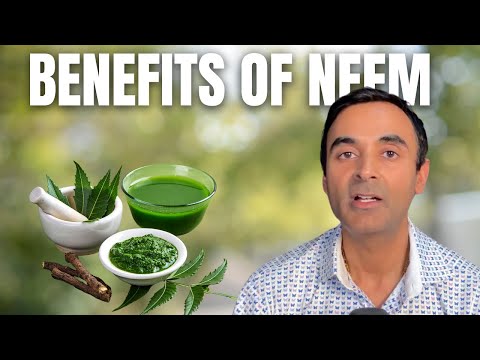
Health Benefits of NEEM

Neem - benefits, use, doses and how to use it

Does Neem purify blood?

Side Effects / Contraindications Of Neem

Background On Neem