Chikungunya
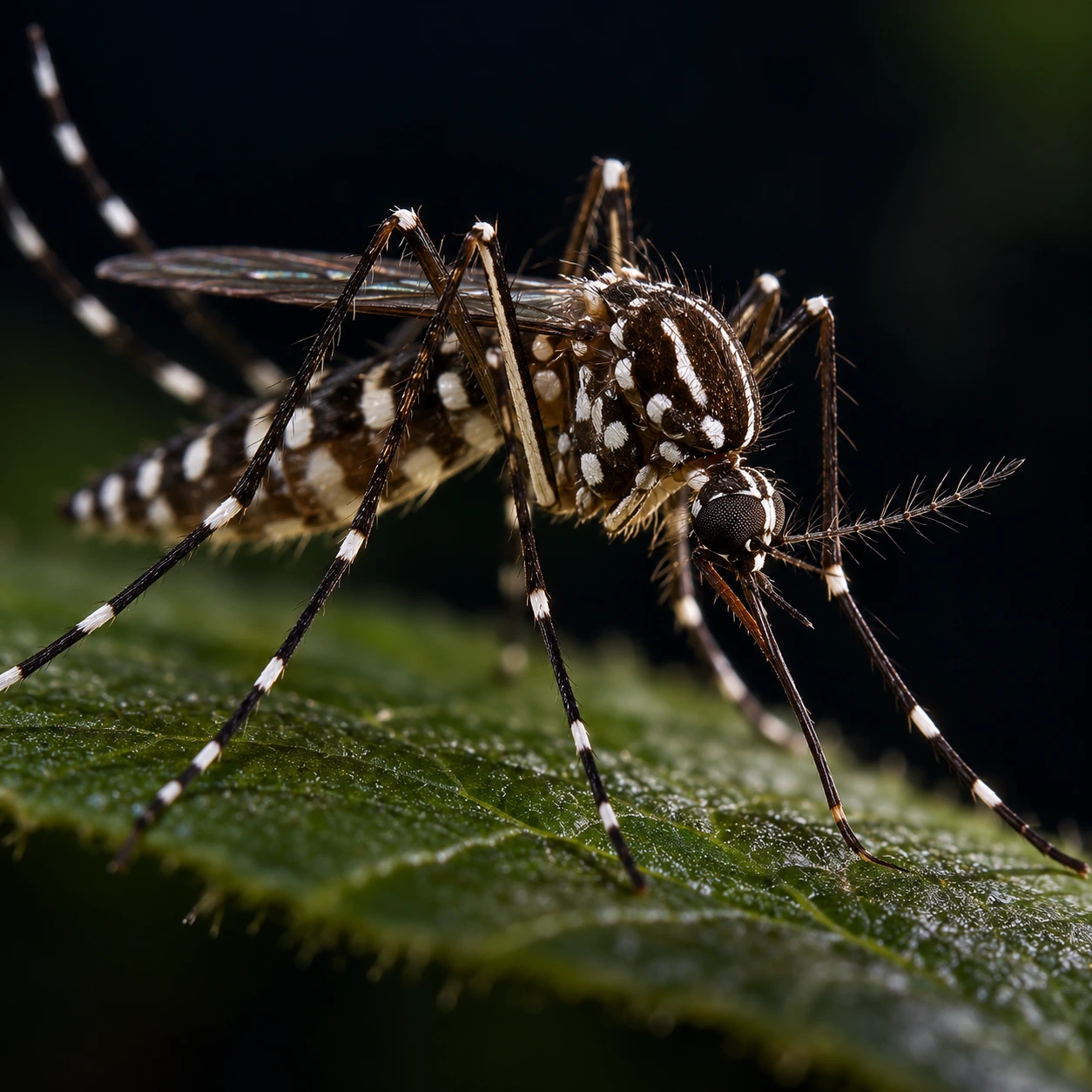
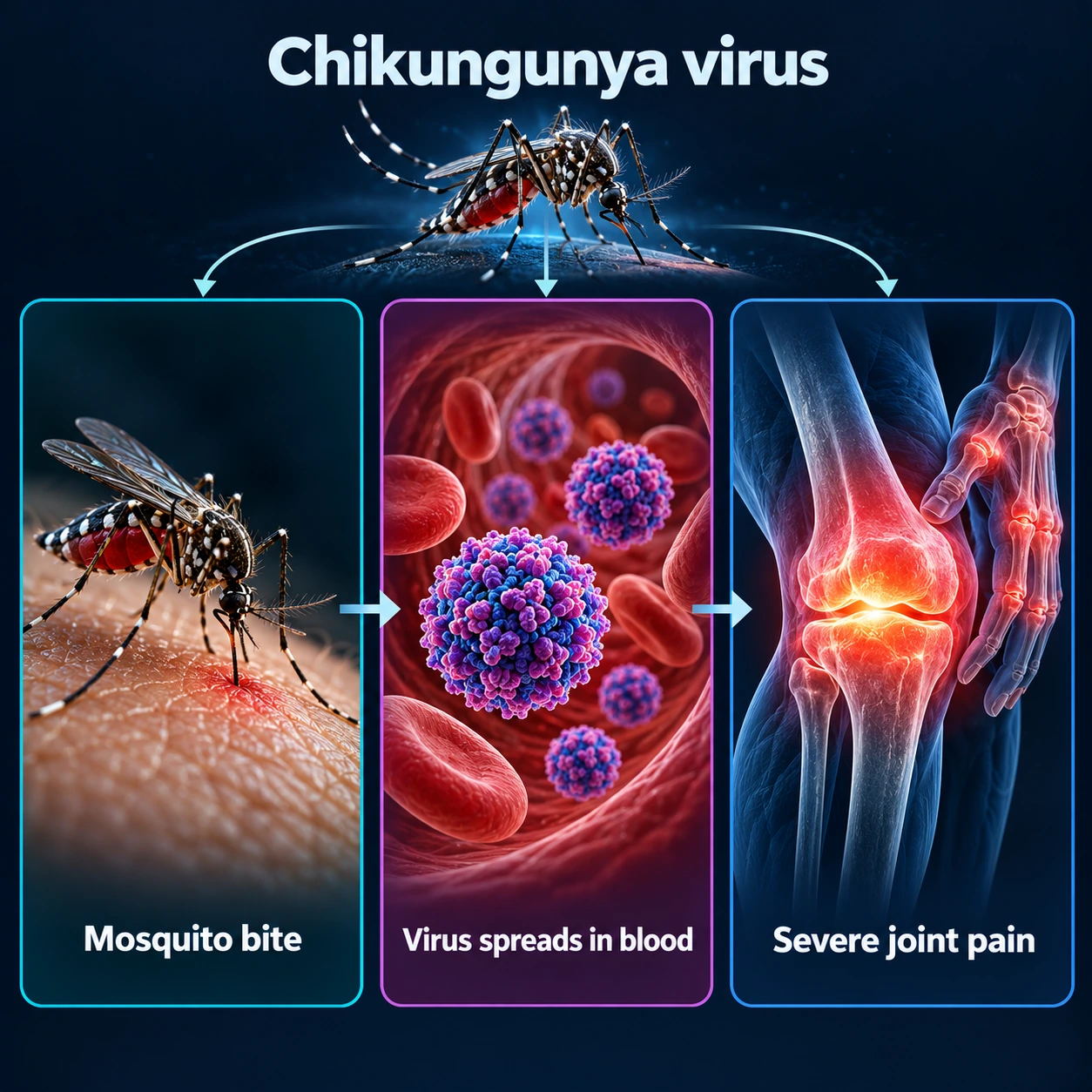
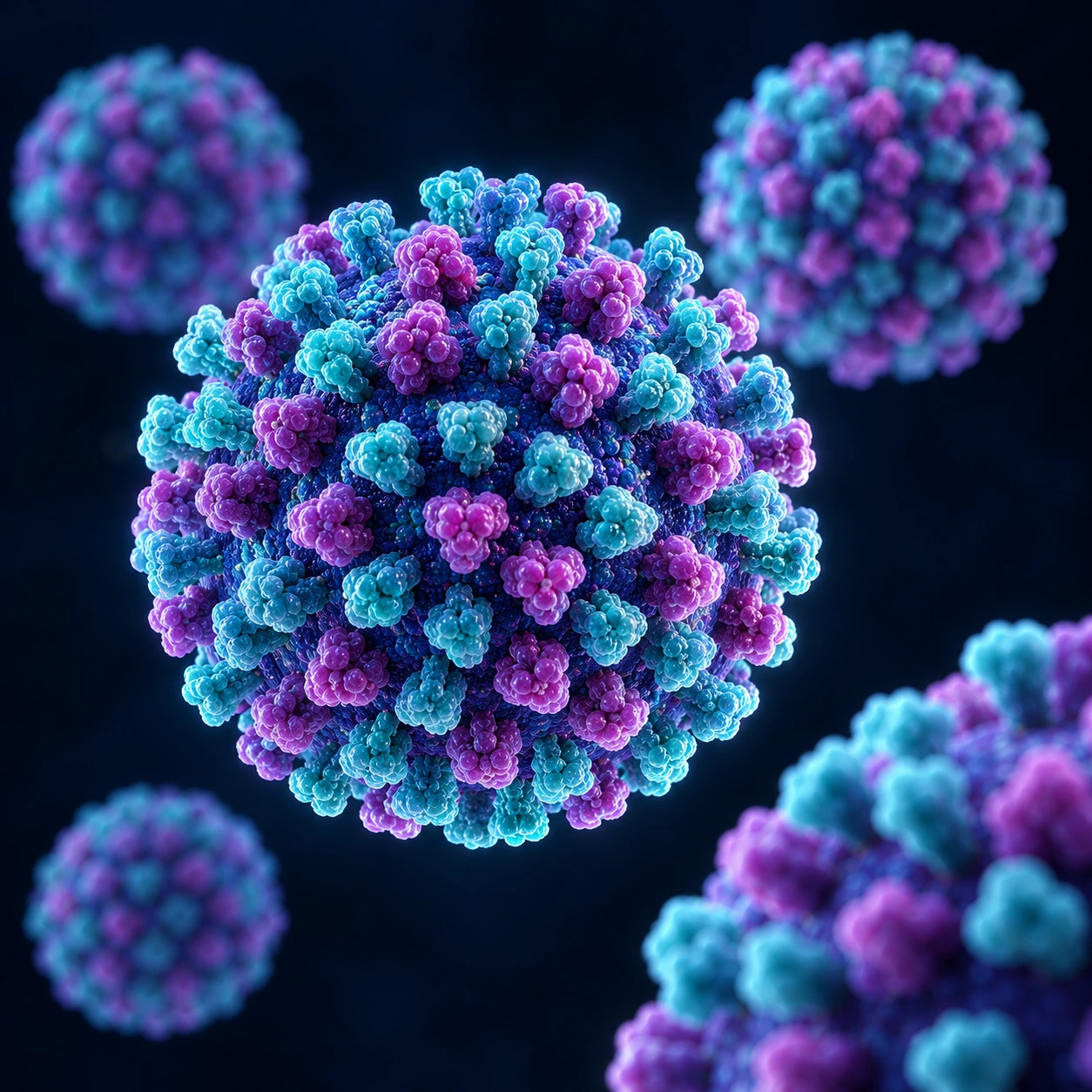
Table of Contents
1. Overview
Chikungunya is a mosquito-borne viral disease caused by chikungunya virus (CHIKV), an alphavirus in the family Togaviridae. The name is derived from the Makonde language of Tanzania and Mozambique, meaning "that which bends up" — a vivid description of the stooped, contorted posture patients adopt to relieve the agonizing joint pain that defines this illness. First isolated in 1952 during an outbreak on the Makonde Plateau of Tanzania, chikungunya remained a relatively obscure tropical infection for decades before emerging as a major global public health threat in the 21st century.
Transmitted primarily by Aedes aegypti and Aedes albopictus mosquitoes, CHIKV caused explosive outbreaks across the Indian Ocean islands (Réunion, Maldives, Comoros) in 2005–2006, infecting an estimated one-third of the population of Réunion alone. The virus then swept through India (1.4 million cases in 2006), Southeast Asia, and by 2013–2014 had established itself in the Caribbean and the Americas for the first time, ultimately spreading to over 45 countries in the Western Hemisphere. Local transmission has been documented in Florida, Texas, and Europe (Italy 2007, France 2017).
Chikungunya is rarely fatal, but its capacity to cause severe, debilitating polyarthritis — both in the acute phase and as a chronic inflammatory arthritis persisting for months to years — makes it a major cause of long-term disability. An estimated 3 to 4 billion people worldwide now live in areas where Aedes mosquitoes are present, placing them at potential risk.
2. Epidemiology
Global burden: Chikungunya is endemic or has caused outbreaks in over 110 countries across Africa, Asia, Europe, the Americas, and the Pacific. The WHO estimates hundreds of thousands to millions of cases occur annually, with major epidemic waves occurring when the virus enters immunologically naive populations. The 2004–2007 Indian Ocean outbreak infected an estimated 1.9–2.5 million people. The 2013–2014 Caribbean introduction led to over 1 million confirmed and suspected cases in the first 18 months.
Vector distribution: Aedes aegypti is the principal urban vector throughout the tropics and subtropics. Aedes albopictus (the Asian tiger mosquito), a more cold-tolerant species with a broader geographic range extending into temperate zones, facilitated the introduction of CHIKV into Europe and is responsible for ongoing local transmission risk in southern Europe and the southern United States. A key mutation in the E1 envelope glycoprotein (A226V) arose during the Réunion outbreak and significantly enhanced CHIKV replication in A. albopictus, contributing to its expansion into new geographic areas.
United States: As of 2024, over 3,000 travel-associated chikungunya cases have been reported to the U.S. Centers for Disease Control and Prevention (CDC) since tracking began in 2006. Local transmission has occurred in Florida (2014) and Texas. The U.S. Centers for Disease Control and Prevention classifies chikungunya as a nationally notifiable disease. Given the wide distribution of A. albopictus across the southeastern United States and California, the risk of ongoing local outbreaks following imported cases is substantial.
Seasonality and climate change: Transmission peaks during and after rainy seasons when Aedes mosquito populations are highest. Climate change models project significant northward and southward expansion of the geographic range suitable for A. albopictus over the coming decades, placing new temperate populations at risk.
Attack rates: In naive populations, attack rates during epidemics can reach 25–75%, with near-total population infection on some Indian Ocean islands. Immunity after infection appears durable and cross-protective against different CHIKV genotypes, which likely contributes to the wave-like epidemic pattern.
The 2025 outbreaks: In 2025 chikungunya spread widely in Guangdong province in southern China: successive outbreak waves in Foshan and Jiangmen were followed by spread to all 21 prefectures of the province during a peak domestic travel period, and by late 2025 more than 25,000 cases had been reported, according to a 2026 report in PLoS Neglected Tropical Diseases. In the Indian Ocean, La Réunion faced its second major outbreak in 2024–2025, after the 2005–2006 epidemic that infected nearly one-third of the island's population; a computer model calibrated to weekly case counts up to February 2025 estimated that, without vaccination, up to 27.5% of the population could become infected.
3. Pathophysiology
After inoculation by an infected mosquito bite, CHIKV undergoes local replication in skin fibroblasts and keratinocytes at the bite site before disseminating via the bloodstream. The viremic phase (days 1–7) is characterized by very high plasma viral titers — often exceeding 108–109 genome equivalents per milliliter — facilitating efficient mosquito re-infection and amplifying epidemic spread.
Cellular tropism and joint involvement: CHIKV demonstrates a strong tropism for fibroblasts — the principal stromal cells of synovial tissue, tendons, ligaments, and the periarticular capsule. The virus enters cells via clathrin-mediated endocytosis using MXRA8 (Matrix Remodeling Associated Protein 8) as the primary entry receptor, which is highly expressed on fibroblasts and myoblasts. Within synovial fibroblasts, CHIKV actively replicates, triggering a potent innate immune response including type I interferon (IFN-α/β) production and pro-inflammatory cytokine secretion (interleukin-6, IL-8, MCP-1, IP-10). This inflammatory cascade recruits macrophages, natural killer (NK) cells, and CD4+/CD8+ T lymphocytes to the synovium, amplifying the arthritic response even after active viral replication subsides.
Acute versus chronic disease: In the acute phase, high-titer viremia correlates with fever severity and systemic symptoms. As neutralizing antibodies develop (typically days 5–7), viremia clears rapidly. However, CHIKV RNA and viral antigen have been detected in synovial tissue and macrophages of patients with persistent arthritis weeks to months after the acute phase, suggesting that ongoing low-level viral persistence or persistent immune activation in joint tissue drives chronic disease in a subset of patients.
Rash mechanism: The maculopapular or confluent rash of chikungunya results from perivascular dermal inflammation. Pathologic examination shows mononuclear cell infiltration around small blood vessels in the dermis, with viral antigen detectable in keratinocytes. The rash typically appears on the trunk and limbs, sometimes with a "salt and pepper" or inverse presentation (islands of spared skin within a diffuse erythema) that can mimic dengue's classic rash appearance.
Neurological involvement: In severe and neonatal cases, CHIKV crosses the blood-brain barrier via infected monocytes or direct endothelial cell infection, causing encephalitis, meningitis, or myelitis. The neonatal brain appears particularly vulnerable, with a subset of perinatally infected neonates developing severe encephalopathy with white matter injury on magnetic resonance imaging (MRI).
4. Etiology and Risk Factors
The pathogen: Chikungunya virus (CHIKV) is a single-stranded positive-sense RNA alphavirus approximately 70 nm in diameter, with a lipid envelope. The genome (~11.8 kb) encodes two open reading frames: one for non-structural proteins (nsP1–nsP4, involved in RNA replication and innate immune evasion) and one for structural proteins (Capsid, E3, E2, 6K, E1). The E1 and E2 envelope glycoproteins mediate receptor binding and membrane fusion and are the primary targets of neutralizing antibody responses.
Three major genotypes (also called lineages) are recognized based on E1 gene phylogeny:
- West African genotype: Circulates in enzootic cycles in West and Central African forest environments; relatively rare in epidemics.
- East/Central/South African (ECSA) genotype: Responsible for the devastating 2004–2007 Indian Ocean epidemics; gave rise to the IOL (Indian Ocean lineage) sub-lineage bearing the E1 A226V mutation that enhanced A. albopictus vector competence.
- Asian genotype: Responsible for historic Asian epidemics and the 2013–2014 Americas introduction; circulates without the E1 A226V mutation.
Transmission:
- Mosquito-borne: Aedes aegypti and Aedes albopictus are the primary vectors. Both are day-biting species, with peak activity in the early morning and late afternoon — which matters for travelers. A mosquito becomes infectious approximately 10 days after feeding on a viremic host.
- Vertical (mother-to-child): Intrapartum transmission from a viremic mother to her neonate occurs at rates of approximately 50% when delivery coincides with maternal viremia. Outcomes range from fever and rash to severe neonatal encephalopathy. Transplacental transmission in the first two trimesters appears rare and less damaging than dengue's severe neonatal impact.
- Blood transfusion/organ transplantation: Rare case reports; viremia is high enough during the acute phase to pose a transfusion risk.
Risk factors for severe or chronic disease:
- Age >65 years — higher rates of severe acute disease and persistent arthritis.
- Neonatal delivery during maternal viremia — highest risk for encephalopathy.
- Pre-existing joint disease or arthritis — may worsen or unmask chronic musculoskeletal disease.
- Immunocompromised status — more severe and prolonged viremia.
- Metabolic syndrome and obesity — some evidence for association with more severe arthritis.
- Genetic factors — human leukocyte antigen (HLA) alleles and IFNL3 (IL28B) polymorphisms have been associated with risk of chronic arthritis in some cohort studies.
5. Clinical Presentation
The incubation period after a mosquito bite is typically 3–7 days (range 1–12 days). Approximately 72–97% of infections are symptomatic — a much higher symptomatic rate than dengue (~25%) or Zika (~20%) — making clinical recognition more straightforward during an outbreak.
Acute Phase (Days 1–10)
Fever: Onset is typically abrupt, with high fever reaching 39–40°C (102–104°F). The fever is usually continuous but may briefly dip before rising again in some cases. It generally resolves within 2–5 days.
Polyarthralgia/Polyarthritis — the hallmark symptom: Severe, symmetric joint pain affecting multiple joints simultaneously is the defining and most debilitating feature of chikungunya. The small joints of the hands (metacarpophalangeal joints, proximal interphalangeal joints), wrists, and ankles are most commonly affected. Knees, shoulders, and elbows are also frequently involved. The pain is described by patients as severe, often incapacitating — at its worst, preventing walking, grasping objects, or dressing. Periarticular involvement (tenosynovitis, bursitis) is prominent. True synovitis with joint swelling occurs in approximately 40–50% of acute cases.
Rash: Present in 50–80% of patients. Typically maculopapular, appearing 2–5 days after fever onset and lasting 1–7 days. Distribution is primarily on the trunk, limbs, and face; palms and soles may be involved. Confluent flushing, pruritus, and a "salt and pepper" variant with small areas of normal skin within a larger erythema are characteristic. Vesicular and bullous rashes have been reported, particularly in children and in the ECSA genotype outbreaks.
Other acute symptoms:
- Severe myalgia and fatigue, often described as profound exhaustion.
- Headache, retro-orbital pain (less prominent than in dengue).
- Nausea, vomiting, and abdominal pain in some cases.
- Lymphadenopathy (cervical, inguinal).
- Conjunctival injection or uveitis (less common).
Laboratory findings in acute phase:
- Leukopenia with lymphopenia — common (white cell count often 3,000–4,000/μL).
- Thrombocytopenia — mild (platelet counts rarely fall below 100,000/μL, in contrast to dengue where severe thrombocytopenia is a hallmark).
- Elevated C-reactive protein (CRP) and erythrocyte sedimentation rate (ESR) — reflecting active systemic inflammation.
- Mildly elevated liver transaminases (aspartate aminotransferase (AST)/alanine aminotransferase (ALT)) in some patients.
- Normal or mildly elevated creatinine; hematocrit typically stable (unlike dengue, plasma leakage is not a feature).
Differentiating Chikungunya from Dengue
Both diseases are transmitted by Aedes mosquitoes, cause acute febrile illness with rash and leukopenia, and co-circulate in many tropical regions. Key distinguishing features:
- Joint pain: In chikungunya, polyarthralgia/arthritis is the dominant symptom — severe, symmetric, affecting multiple joints, and often disabling. In dengue, myalgia ("breakbone fever") predominates over true arthritis; joint pain is less localized.
- Thrombocytopenia and bleeding: Severe thrombocytopenia and hemorrhagic manifestations (positive tourniquet test, petechiae, mucosal bleeding, plasma leakage) are hallmarks of severe dengue — these are rare or mild in chikungunya.
- Rash: Present in most chikungunya patients; less consistently present in dengue.
- Chronic phase: Persistent arthritis is unique to chikungunya — dengue does not cause chronic arthritis.
- Nonsteroidal anti-inflammatory drugs (NSAIDs): Used in chikungunya for their anti-inflammatory effect on the joints; held back in dengue, where they raise the risk of bleeding when platelet counts are low (thrombocytopenia), so they are started only once dengue has been ruled out.
Chronic Phase (Weeks to Years)
One of the most clinically significant features distinguishing chikungunya from other arboviruses is its capacity to cause prolonged musculoskeletal morbidity. An estimated 30–40% of patients develop persistent arthralgia or arthritis lasting more than 3 months after acute infection; 10–15% may have symptoms persisting beyond one year.
The chronic arthritis of chikungunya may be clinically indistinguishable from rheumatoid arthritis, with symmetric small joint involvement, morning stiffness, and elevated inflammatory markers. Serological testing for rheumatoid factor (RF) and anti-CCP antibodies is typically negative, though some patients with pre-existing rheumatoid arthritis (RA) may have post-chikungunya flares that are difficult to disentangle. Chronic tenosynovitis (particularly of the wrists), enthesopathy, and carpal tunnel syndrome are commonly reported sequelae.
Predictors of chronic arthritis: Older age, severe acute joint involvement, female sex, and presence of pre-existing joint disease are associated with higher rates of chronic musculoskeletal morbidity in most cohort studies.
6. Diagnosis
Diagnosis is based on clinical presentation in the appropriate epidemiologic context (travel to or residence in an endemic/epidemic area, potential mosquito exposure) combined with laboratory confirmation. The choice of test depends critically on the timing of specimen collection relative to symptom onset.
Acute Phase Testing (Days 0–7 from Symptom Onset)
- RT-PCR (reverse transcriptase polymerase chain reaction): The gold standard for early diagnosis. CHIKV viremia is extremely high during days 1–5 (often >108 copies/mL), making RT-PCR highly sensitive in this window. The U.S. Centers for Disease Control and Prevention and many reference laboratories offer real-time RT-PCR targeting the nsP1 or E1 gene. Sensitivity decreases sharply after day 7 as viremia clears.
- Viral culture: Reference standard in research settings; impractical for routine clinical diagnosis due to biosafety requirements and time.
- NS1 antigen test equivalent: Unlike dengue, there is no widely available antigen rapid test for CHIKV with comparable utility to the dengue NS1 antigen test.
Subacute and Convalescent Phase Testing (Day 5 Onward)
- Immunoglobulin M (IgM) serology (ELISA or IFA): CHIKV-specific immunoglobulin M typically becomes detectable from approximately day 5–7 of illness and remains positive for 1–3 months. A positive immunoglobulin M in the appropriate clinical context confirms recent infection. False positives can occur with other alphavirus infections (e.g., O'nyong-nyong virus in Africa).
- Immunoglobulin G (IgG) serology: Rises during convalescence and persists for years to decades. A fourfold rise in paired acute/convalescent serum samples (drawn 14–21 days apart) confirms recent infection. Useful when acute sera were not collected.
- Plaque reduction neutralization test (PRNT): The most specific serologic method; differentiates CHIKV from related alphaviruses; used in reference laboratories for confirmation of equivocal ELISA results.
Testing Strategy in Practice
For a patient presenting in the first 5 days of illness with fever and severe polyarthralgia after travel to an endemic region: serum is collected for both RT-PCR (highest sensitivity acutely) and immunoglobulin M serology at the same time. For a patient presenting more than 7 days after symptom onset, immunoglobulin M/immunoglobulin G serology is the primary diagnostic tool. A complete blood count (showing leukopenia and mild thrombocytopenia) and C-reactive protein/erythrocyte sedimentation rate support the diagnosis but are not specific.
Co-infection considerations: In regions where dengue and Zika co-circulate with chikungunya (much of the Americas and Pacific), laboratories commonly test for all three arboviruses at the same time, because co-infections occur and the symptoms overlap significantly. Dengue testing covers NS1 antigen and immunoglobulin M/immunoglobulin G; Zika testing includes RT-PCR (urine and serum) and immunoglobulin M.
7. Treatment
There is no specific antiviral therapy approved for chikungunya. Management is entirely supportive, with the goal of controlling pain, fever, and inflammation while preventing dehydration and managing complications.
Acute Phase Symptomatic Management
- Rest and hydration: Drinking enough fluids is the mainstay; intravenous (IV) fluids are used only when a person cannot keep fluids down or in severe cases.
- Fever and pain control — nonsteroidal anti-inflammatory drugs preferred (contrast with dengue): Nonsteroidal anti-inflammatory drugs (ibuprofen, naproxen) are the preferred analgesic and antipyretic agents in chikungunya because of their anti-inflammatory activity at the arthritic site. This contrasts sharply with dengue, where nonsteroidal anti-inflammatory drugs are contraindicated due to thrombocytopenia and bleeding risk. Once dengue is excluded (clinically or by rapid NS1/immunoglobulin M testing), nonsteroidal anti-inflammatory drugs can be started.
- Acetaminophen (paracetamol): Used as initial antipyretic when dengue has not yet been excluded, and as an adjunct analgesic. Less effective than nonsteroidal anti-inflammatory drugs for arthritis pain.
- Corticosteroids (acute phase): Not routinely used in the acute phase; short-course prednisolone has been used for severe acute arthritis that does not respond to nonsteroidal anti-inflammatory drugs, but the evidence is limited and suppressing the immune system during an active viral infection carries its own risk.
Chronic Phase Management
- Nonsteroidal anti-inflammatory drugs: Described in clinical practice as the first-line treatment for post-chikungunya chronic arthritis, given at anti-inflammatory doses (for example, naproxen 500 mg twice daily) rather than merely pain-relief doses.
- Chloroquine: Has been investigated as a disease-modifying agent for post-chikungunya arthritis, based on its mechanism of action in rheumatoid arthritis and some in vitro (laboratory) anti-CHIKV activity. Two randomized trials have tested it. In a double-blind trial on La Réunion (De Lamballerie et al., 2008), 27 patients with acute chikungunya took chloroquine for 5 days and 27 took a placebo: there was no difference in how long the fever and joint pain lasted or in how fast the virus fell in the blood, and at day 200 the chloroquine group complained of joint pain more often than the placebo group. In India (Chopra et al., 2014), 70 adults with joint pain and arthritis persisting after chikungunya took chloroquine 250 mg a day or the anti-inflammatory drug meloxicam 7.5 mg a day for 24 weeks; both groups improved, with no significant difference between them, although the authors wrote that a benefit of chloroquine was not ruled out. Neither trial showed that chloroquine works for chikungunya. Hydroxychloroquine is also used in clinical practice for this indication.
- Methotrexate and disease-modifying antirheumatic drugs (DMARDs): For patients with severe, persistent inflammatory arthritis meeting criteria similar to rheumatoid arthritis, DMARDs (methotrexate, sulfasalazine, leflunomide) are used in practice, though formal randomized controlled trial (RCT) evidence specifically for post-chikungunya arthritis is sparse.
- Physiotherapy and occupational therapy: Used to maintain joint mobility, prevent contractures (permanently tightened joints) and restore function, particularly in elderly patients and those with chronic tenosynovitis. Hand therapy, splinting for wrists, and aquatic physiotherapy are commonly used.
- Intra-articular corticosteroid injections: For isolated, severely affected joints (e.g., knee, wrist) with prominent synovitis; provides targeted relief without systemic immunosuppression.
Investigational and Future Treatments
No antiviral has yet achieved regulatory approval for CHIKV. Favipiravir (an RNA-dependent RNA polymerase inhibitor approved for influenza in Japan) has shown anti-CHIKV activity in laboratory and animal studies. Monoclonal antibodies targeting the E2 glycoprotein have shown promise in non-human primate models. mRNA vaccine candidates are in early clinical trials.
8. Complications
- Chronic polyarthritis/arthralgia (most common serious complication): 30–40% of patients have persistent joint symptoms beyond 3 months; 10–15% beyond one year. Functional disability, reduced quality of life, and inability to work are significant consequences. Mimics rheumatoid arthritis and may be misdiagnosed in non-endemic settings.
- Neonatal chikungunya encephalopathy: When delivery occurs during maternal viremia, approximately 50% of neonates are infected. A subset (estimated 10–25% of infected neonates) develop severe encephalopathy with seizures, brain edema, and white matter injury on magnetic resonance imaging. Long-term neurodevelopmental sequelae including cognitive impairment and motor deficits have been documented in follow-up studies from Réunion and the Caribbean.
- Neurological complications (adults): Encephalitis, acute disseminated encephalomyelitis (ADEM), Guillain-Barré syndrome, cranial nerve palsies, and myelitis occur as rare but recognized complications, particularly in the elderly. Case fatality in CHIKV encephalitis is higher than in uncomplicated disease.
- Ocular complications: Uveitis (anterior and posterior), retinitis, and optic neuritis have been reported in post-acute and chronic phases. Uveitis may occur weeks to months after the febrile illness subsides.
- Cardiovascular complications: Myocarditis, pericarditis, and cardiac arrhythmias are uncommon but documented, particularly in elderly patients with underlying cardiovascular disease. Acute heart failure during the viremic phase has been reported in large case series from the Indian Ocean outbreaks.
- Hepatitis: Moderate elevations in transaminases are common in the acute phase; fulminant hepatic failure is rare but has been reported.
- Skin complications: Hyperpigmentation at rash sites, desquamation, and (rarely) erosive dermatoses can occur. Bullous disease in children may be severe.
- Death: CHIKV is rarely directly fatal in immunocompetent adults. Case fatality rates are estimated at less than 1 per 1,000 infections, but deaths do occur — primarily in the elderly, neonates, and those with severe neurological or cardiovascular complications. An excess mortality signal was documented during the Réunion epidemic, predominantly in adults over 75 years.
9. Prognosis
Acute illness: The vast majority of healthy adults recover fully from the acute febrile phase within 1–2 weeks. Fever resolves in 2–5 days, and the maculopapular rash fades within a week. Fatigue may persist for several weeks.
Musculoskeletal prognosis: This is the central prognostic uncertainty in chikungunya. Large cohort studies (notably from Réunion, Guadeloupe, India, and the Caribbean) consistently document that joint pain and stiffness persist in a substantial minority of patients:
- At 3 months: approximately 30–40% have residual joint symptoms.
- At 1 year: approximately 10–15% continue to have significant arthralgia or arthritis.
- At 2–3 years: a small proportion (<5%) develop chronic inflammatory joint disease indistinguishable from seronegative rheumatoid arthritis.
Older age at infection (particularly >45 years), female sex, severe acute joint disease, and high baseline C-reactive protein are the most consistently identified predictors of chronic musculoskeletal morbidity across multiple cohort studies.
Neonatal prognosis: Neonates infected through vertical transmission have a guarded prognosis when encephalopathy develops. The CHIMERE cohort study on Réunion (Gérardin et al., 2014) compared 33 children infected around the time of birth with 135 uninfected children at about two years of age: 51% of the infected children (17 of 33) had a global delay in development, compared with 15% of the uninfected children. Delays were found in coordination and language (57%), sociability (36%) and movement and posture (27%). Of the 12 children who had neonatal encephalopathy, five developed microcephaly (an unusually small head) and four met the definition of cerebral palsy.
Immunity after infection: Recovered patients develop durable, long-lasting neutralizing antibody responses that appear to protect against re-infection with the same or antigenically related CHIKV strains. Re-infection with a different genotype has been documented but appears rare and typically causes milder illness. This durable immunity underlies the epidemic cycle — once most of a population has been infected, viral transmission declines and epidemic activity ceases until sufficient numbers of susceptible individuals (including newborns and new migrants) accumulate.
10. Prevention
Personal Protective Measures
- Mosquito repellents registered with the U.S. Environmental Protection Agency (EPA) contain DEET (20–30%), picaridin, IR3535 or oil of lemon eucalyptus (OLE); they are applied to exposed skin and reapplied as the label directs, especially after sweating or swimming.
- Long-sleeved clothing and long pants cover the skin, which matters most during peak Aedes biting hours (early morning and late afternoon/dusk).
- Permethrin (0.5%) is used to treat clothing and gear for added protection; it is not applied directly to the skin.
- Air-conditioned or well-screened rooms keep mosquitoes out; bed nets are used where these are unavailable.
- These mosquitoes breed in standing water around homes; emptying, cleaning or covering water storage containers, flower pots, discarded tires and any container that can collect water removes their breeding sites. Aedes aegypti breeds in small, clean-water containers, including bottle caps and saucers under potted plants.
Vaccination
Live-attenuated chikungunya vaccine (VLA1553): The first chikungunya vaccine licensed in the United States. The U.S. Food and Drug Administration (FDA) approved it on November 9, 2023, under its accelerated approval pathway, for people aged 18 and older at increased risk of exposure to the virus, and the European Medicines Agency approved it in 2024. It contains a live, weakened form of the virus and is given as a single injection into the muscle; in the Phase 3 trial (VLA1553-301), 98.9% of vaccinees achieved seroconversion within 28 days. Its US label warned from the start that it may cause severe or prolonged chikungunya-like reactions, and it is contraindicated in immunocompromised people and during pregnancy (live virus). The U.S. Centers for Disease Control and Prevention's Advisory Committee on Immunization Practices (ACIP) recommended it for adults ≥18 years who were at increased risk for chikungunya disease due to travel to an endemic or epidemic area.
Safety review and loss of the US license: On May 9, 2025, the FDA and the U.S. Centers for Disease Control and Prevention (CDC) recommended a pause in its use in people aged 60 and older while they investigated reports of serious adverse events, including neurologic and cardiac events; as of May 7, 2025, 17 serious adverse events, two of them deaths, had been reported worldwide in people aged 62 to 89 (FDA safety communication, May 2025). The FDA lifted that pause on August 6, 2025, with stronger label warnings, but on August 22, 2025 it suspended the vaccine's US biologics license. The FDA cited one death from encephalitis directly attributable to the vaccine (the vaccine strain was found in the spinal fluid) and serious chikungunya-like illness in vaccine recipients, with 21 hospitalizations and 3 deaths reported, and stated that its benefit-risk analysis showed the vaccine's benefits did not outweigh its risks under most plausible scenarios (FDA safety communication, August 2025). The license holder then asked for the US license to be revoked, and the FDA revoked it in January 2026. Regulators in other countries reached different decisions about this vaccine, a 2026 review noted, so its status outside the United States varies.
Virus-like-particle (VLP) chikungunya vaccine (PXVX0317): A separate vaccine that contains no live virus and has also received regulatory approval. Two phase 3 trials published in The Lancet in 2025 compared a single injection with a placebo. In 3,254 healthy people aged 12–64 in the USA, 97.8% of the vaccinated participants tested (2,503 of 2,559) had a protective antibody response by day 22, compared with 1.2% on placebo; the most common side effects were injection-site pain (23.7%), tiredness (19.9%), headache (18.0%) and muscle aches (17.6%), mostly mild and short-lived. In 413 adults aged 65 and older, 82% had a protective antibody response by day 15, 87% by day 22 and 76% at day 183, with no notable difference in side effects from placebo and no vaccine-related serious adverse events or deaths. These trials measured antibody levels, which regulators accept as a stand-in for protection; they did not count cases of chikungunya prevented.
mRNA-1944 (an mRNA-encoded antibody, not a vaccine): An experimental product made of messenger RNA in fat (lipid) particles that instructs the body's cells to make a ready-made neutralizing antibody against the virus (CHKV-24). In a phase 1 trial (January 2019 to June 2020; interim analysis of 38 healthy adults aged 18–50) it was given by intravenous infusion: antibody levels judged therapeutically relevant appeared within 12 hours and lasted at least 16 weeks at the two higher doses, and side effects were mild to moderate, with none serious. It contains no live virus. The trial's authors described it as a possible future treatment option for chikungunya infection.
Pregnancy Precautions
In endemic areas, protection against mosquito bites is the main defence during pregnancy. If viremia is present at the time of delivery, newborns are monitored closely in the hospital for at least 4–5 days for signs of infection (fever, rash, irritability, seizures). No vertical transmission prevention intervention (antiviral prophylaxis, early cesarean delivery) has established efficacy.
Blood Donor Screening
Blood collection organizations in regions with active transmission defer or test donors who have had confirmed chikungunya or compatible symptoms within 28 days. No U.S. Food and Drug Administration-approved nucleic acid test for blood donor screening exists for CHIKV as of 2024 (in contrast to the U.S. Food and Drug Administration-approved NAT tests for dengue and Zika in Puerto Rico and US territories).
Key Research Papers
- Schilte C, Staikowsky F, Couderc T, et al. Chikungunya virus-associated long-term arthralgia: a 36-month prospective longitudinal study. PLoS Negl Trop Dis. 2013;7(3):e2137. — PubMed PMID: 23556021
- Gérardin P, Barau G, Michault A, et al. Multidisciplinary prospective study of mother-to-child chikungunya virus infections on the island of La Réunion. PLoS Med. 2008;5(3):e60. — PubMed PMID: 18351797
- Gérardin P, Sampériz S, Ramful D, et al. Neurocognitive outcome of children exposed to perinatal mother-to-child Chikungunya virus infection: the CHIMERE cohort study on Reunion Island. PLoS Negl Trop Dis. 2014;8(7):e2996. — PubMed PMID: 25033077
- Weaver SC, Lecuit M. Chikungunya virus and the global spread of a mosquito-borne disease. N Engl J Med. 2015;372(13):1231–1239. — PubMed PMID: 25806915
- Pialoux G, Gaüzère BA, Jauréguiberry S, Strobel M. Chikungunya, an epidemic arbovirosis. Lancet Infect Dis. 2007;7(5):319–327. — PubMed PMID: 17448935
- Sourisseau M, Schilte C, Casartelli N, et al. Characterization of reemerging chikungunya virus. PLoS Pathog. 2007;3(6):e89. — PubMed PMID: 17604450
- Hawman DW, Stoermer KA, Montgomery SA, et al. Chronic joint disease caused by persistent chikungunya virus infection is controlled by the adaptive immune response. J Virol. 2013;87(24):13878–13888. — PubMed PMID: 24131709
- Simon F, Javelle E, Cabie A, et al. French guidelines for the management of chikungunya (acute and persistent presentations). November 2014. Med Mal Infect. 2015;45(7):243–263. — PubMed PMID: 26119684
- Tanabe ISB, Tanabe ELL, Santos EC, et al. Cellular and molecular immune response to chikungunya virus infection. Front Cell Infect Microbiol. 2018;8:345. — PubMed PMID: 30364124
- Couderc T, Chrétien F, Schilte C, et al. A mouse model for chikungunya: young age and inefficient type-I interferon signaling are risk factors for severe disease. PLoS Pathog. 2008;4(2):e29. — PubMed PMID: 18282093
- Zhang R, Kim AS, Fox JM, et al. Mxra8 is a receptor for multiple arthritogenic alphaviruses. Nature. 2018;557(7706):570–574. — PubMed PMID: 29769725
- De Lamballerie X, Boisson V, Reynier JC, et al. On chikungunya acute infection and chloroquine treatment. Vector Borne Zoonotic Dis. 2008;8(6):837–839. — PubMed PMID: 18620511
- Chopra A, Saluja M, Venugopalan A. Effectiveness of chloroquine and inflammatory cytokine response in patients with early persistent musculoskeletal pain and arthritis following chikungunya virus infection. Arthritis Rheumatol. 2014;66(2):319–326. — PubMed PMID: 24504804
- Richardson JS, Anderson DM, Mendy J, et al. Chikungunya virus virus-like particle vaccine safety and immunogenicity in adolescents and adults in the USA: a phase 3, randomised, double-blind, placebo-controlled trial. Lancet. 2025;405(10487):1343–1352. — PubMed PMID: 40158526
- Tindale LC, Richardson JS, Anderson DM, et al. Chikungunya virus virus-like particle vaccine safety and immunogenicity in adults older than 65 years: a phase 3, randomised, double-blind, placebo-controlled trial. Lancet. 2025;405(10487):1353–1361. — PubMed PMID: 40158524
- August A, Attarwala HZ, Himansu S, et al. A phase 1 trial of lipid-encapsulated mRNA encoding a monoclonal antibody with neutralizing activity against Chikungunya virus. Nat Med. 2021;27(12):2224–2233. — PubMed PMID: 34887572
- Hervigo Y, Staehelin C, Veit O, et al. Chikungunya vaccines in travel medicine: from regulatory approval to real-world challenges. Trop Med Infect Dis. 2026;11(8):221. — PubMed PMID: 42646798
- Tee KK, Mu D, Xia X. Chikungunya waves in 2025 signal risk of endemicity in China. PLoS Negl Trop Dis. 2026;20(9):e0014685. — PubMed PMID: 42685066
- Boer M, Vondeling GT, Plennevaux E, de Roo AM. Modeling outbreak prediction and the impact of emergency vaccination on the 2024–2025 chikungunya outbreak in La Réunion. Vaccines (Basel). 2025;13(12):1181. — PubMed PMID: 41441647
PubMed Topic Searches
Search PubMed for current research on chikungunya virus, chronic arthritis, and vaccine development:
- Chikungunya virus alphavirus pathogenesis (PubMed)
- Chikungunya chronic arthritis and polyarthralgia (PubMed)
- Chikungunya live-attenuated vaccine (PubMed)
- Chikungunya neonatal encephalopathy vertical transmission (PubMed)
- Chikungunya dengue co-infection differential diagnosis (PubMed)
- Aedes albopictus chikungunya vector competence E1 A226V mutation (PubMed)
13. Connections
- Dengue Fever
- Zika Virus
- Typhoid Fever
- Malaria
- Leishmaniasis
- Infectious Disease
- Rheumatoid Arthritis
- Yellow Fever
- Arthritis — 30–40% of chikungunya patients develop persistent inflammatory joint disease.