Salmonella typhimurium — The Foodborne Invader
Table of Contents
- Discovery and Microbiology
- Virulence and Invasion Mechanisms
- Diseases Caused
- Epidemiology and Outbreaks
- Antibiotic Resistance
- Conventional Treatment
- Natural Herbs Effective Against Salmonella
- Herbal Food Preservation Against Salmonella
- Prevention and Food Safety
- Key Research Papers and References
- Featured Videos
Discovery and Microbiology
Salmonella enterica serovar Typhimurium, commonly referred to as Salmonella Typhimurium or S. Typhimurium, is one of the most extensively studied bacterial pathogens in the history of microbiology. The organism was first isolated in 1885 by Dr. Daniel Elmer Salmon and his research assistant Theobald Smith during investigations into swine cholera at the United States Department of Agriculture Bureau of Animal Industry. Although Smith performed much of the laboratory work, the genus was ultimately named Salmonella in honor of Dr. Salmon, a veterinary pathologist who led the research program. The original isolate was recovered from the intestines of pigs and was initially called Bacillus choleraesuis before being reclassified under the new genus.
Salmonella Typhimurium is a gram-negative, rod-shaped bacterium belonging to the family Enterobacteriaceae. Individual cells measure approximately 0.7 to 1.5 micrometers in width and 2 to 5 micrometers in length. The organism is a facultative anaerobe, meaning it can grow in both the presence and absence of oxygen, which gives it remarkable versatility across different environments within the host and in the external environment. It is oxidase-negative, catalase-positive, and capable of fermenting glucose with the production of both acid and gas.
One of the defining characteristics of S. Typhimurium is its motility. The bacterium possesses peritrichous flagella, meaning multiple flagella are distributed across its entire cell surface rather than concentrated at one pole. These flagella rotate in a coordinated manner to propel the organism through liquid environments and across mucosal surfaces, a capability that is critical for the initial stages of intestinal colonization. The flagella also serve as important virulence factors, contributing to adherence to host cells and stimulating innate immune responses through recognition by toll-like receptor 5 (TLR5).
The nomenclature and classification of Salmonella species is notably complex. The genus contains only two species: Salmonella enterica and Salmonella bongori. S. enterica is further divided into six subspecies, with subspecies I (S. enterica subsp. enterica) accounting for more than 99% of human infections. Within this subspecies, over 2,600 serovars have been identified using the Kauffmann-White-Le Minor serotyping scheme, which classifies strains based on three surface antigens: the somatic O antigen (lipopolysaccharide), the flagellar H antigen, and the capsular Vi antigen. S. Typhimurium is defined by the antigenic formula O:1,4,[5],12:i:1,2.
A critical distinction in clinical medicine is that between typhoidal and non-typhoidal Salmonella serovars. The typhoidal serovars, principally S. Typhi and S. Paratyphi A, B, and C, are restricted to human hosts and cause systemic enteric fever (typhoid and paratyphoid fever) characterized by prolonged bacteremia, high fever, and potential complications including intestinal perforation. S. Typhimurium, by contrast, is a non-typhoidal serovar with a broad host range encompassing humans, poultry, cattle, swine, reptiles, and wild birds. In immunocompetent individuals, it typically causes a self-limiting gastroenteritis rather than systemic disease, although invasive non-typhoidal Salmonella (iNTS) disease is a major concern in immunocompromised populations, particularly in sub-Saharan Africa.
Virulence and Invasion Mechanisms
The pathogenic success of S. Typhimurium depends on a sophisticated arsenal of virulence factors, many of which are encoded on large chromosomal regions known as Salmonella pathogenicity islands (SPIs). At least 23 SPIs have been identified across the genus, but two are of paramount importance for understanding how S. Typhimurium causes disease: SPI-1 and SPI-2. Each encodes a specialized molecular syringe called a Type III Secretion System (T3SS) that directly injects bacterial effector proteins into host cells.
The SPI-1 T3SS is essential for the initial invasion of intestinal epithelial cells. When S. Typhimurium comes into contact with the apical surface of enterocytes in the ileum and cecum, the SPI-1 needle complex assembles and translocates a suite of effector proteins, including SopE, SopE2, SopB, and SipA, into the host cell cytoplasm. These effectors hijack the host cell's actin cytoskeleton by activating Rho-family GTPases such as Rac1 and Cdc42. The resulting dramatic membrane ruffling engulfs the bacterium in a process often described as a "trigger mechanism" of invasion, fundamentally different from the "zipper mechanism" used by pathogens like Listeria monocytogenes. Within minutes, the bacterium is internalized within a membrane-bound compartment called the Salmonella-containing vacuole (SCV).
Once inside the host cell, S. Typhimurium switches to the SPI-2 T3SS, which is expressed within the acidified environment of the SCV. The SPI-2 effectors, including SseF, SseG, SifA, and PipB2, serve to remodel the vacuolar membrane and prevent fusion with lysosomes, effectively creating a protected intracellular niche where the bacterium can replicate. The SPI-2 system also directs the formation of Salmonella-induced filaments (SIFs), tubular membrane extensions of the SCV that extend throughout the host cell cytoplasm and are thought to facilitate nutrient acquisition.
Beyond the SPIs, S. Typhimurium employs additional virulence strategies. Its lipopolysaccharide (LPS) endotoxin triggers potent inflammatory responses through TLR4 activation. The bacterium can modify its LPS structure to evade host defenses, including adding aminoarabinose to the lipid A moiety to resist cationic antimicrobial peptides. Biofilm formation on surfaces and within the gallbladder enables long-term environmental persistence and chronic carriage. Fimbriae, particularly type 1 fimbriae and plasmid-encoded fimbriae (Pef), contribute to adhesion to intestinal epithelium and Peyer's patches.
A particularly remarkable aspect of S. Typhimurium pathogenesis is its ability to survive and replicate within macrophages. After being phagocytosed, the bacterium uses the SPI-2 T3SS to resist the bactericidal mechanisms of the phagolysosome, including reactive oxygen and nitrogen species. This intracellular survival within macrophages is critical for systemic dissemination, as infected macrophages can transport the bacteria to the mesenteric lymph nodes, liver, and spleen.
Diseases Caused
The primary clinical manifestation of S. Typhimurium infection in immunocompetent individuals is non-typhoidal salmonellosis, presenting as acute gastroenteritis. After an incubation period of 6 to 72 hours (typically 12 to 36 hours), patients develop watery to loose stools, abdominal cramping, nausea, vomiting, and fever. The diarrhea may occasionally contain blood or mucus, reflecting the inflammatory nature of the infection in the ileum and colon. Symptoms are usually self-limiting and resolve within 4 to 7 days without specific treatment, although fecal shedding of the organism may continue for weeks to months after clinical recovery.
In immunocompromised individuals, however, S. Typhimurium can cause life-threatening invasive non-typhoidal Salmonella (iNTS) disease. This includes bacteremia, which may seed secondary infections in virtually any organ system. Populations at highest risk include infants and young children, elderly adults, persons with HIV/AIDS (particularly those with CD4 counts below 200 cells per microliter), organ transplant recipients on immunosuppressive therapy, patients with sickle cell disease, and individuals with malignancies or receiving chemotherapy. In sub-Saharan Africa, iNTS disease is a leading cause of bloodstream infections, with case fatality rates of 20 to 25%.
Focal infections arising from S. Typhimurium bacteremia include osteomyelitis (especially in patients with sickle cell disease, who have a particular predisposition to Salmonella bone infections), septic arthritis, meningitis (primarily in neonates and infants), endocarditis (rare but with high mortality), and mycotic aneurysms of the aorta and other large vessels, particularly in elderly patients with pre-existing atherosclerotic disease.
Reactive arthritis (formerly known as Reiter syndrome) is a recognized post-infectious sequela of S. Typhimurium gastroenteritis. This sterile inflammatory arthritis typically develops 1 to 4 weeks after the acute infection and may be accompanied by urethritis and conjunctivitis. It is strongly associated with the HLA-B27 genotype and can become chronic in a subset of patients, persisting for months or even years after the initial infection.
The chronic carrier state is well documented for S. Typhimurium, although it occurs less frequently than with S. Typhi. Carriers shed the organism intermittently in their stool for more than 12 months without symptoms. The gallbladder is the primary reservoir for chronic carriage, with bacteria persisting within gallbladder biofilms. Chronic carriers pose a public health risk, particularly if they work in food handling or healthcare settings.
Major outbreaks linked to S. Typhimurium have been traced to a wide variety of food vehicles. Contaminated eggs and egg products have historically been the most common source, as S. Typhimurium can colonize the reproductive tract of laying hens and be deposited within the egg before shell formation. Poultry meat, ground beef, pork, unpasteurized milk and dairy products, fresh produce (tomatoes, sprouts, leafy greens, melons), peanut butter, and spices have all been implicated in major outbreaks. In 2008 to 2009, a massive outbreak in the United States linked to contaminated peanut butter from the Peanut Corporation of America sickened over 700 people across 46 states, resulted in 9 deaths, and led to one of the largest food recalls in US history.
Epidemiology and Outbreaks
The Centers for Disease Control and Prevention (CDC) estimates that Salmonella causes approximately 1.35 million infections, 26,500 hospitalizations, and 420 deaths in the United States each year. S. Typhimurium and S. Enteritidis consistently rank as the two most common serovars responsible for human illness. Together, they account for roughly 30 to 40% of all culture-confirmed Salmonella infections in the United States. Because most cases of salmonellosis are not culture-confirmed or reported, the true incidence is estimated to be 29 times higher than the number of laboratory-confirmed cases.
Globally, non-typhoidal Salmonella is estimated to cause 93.8 million cases of gastroenteritis and 155,000 deaths annually. The burden is disproportionately concentrated in low- and middle-income countries, where inadequate sanitation, limited refrigeration, and poor food safety infrastructure contribute to higher transmission rates. In sub-Saharan Africa, invasive non-typhoidal Salmonella disease, frequently caused by S. Typhimurium sequence type 313 (ST313), is a leading cause of bacteremia and a major contributor to childhood mortality, particularly among children with malaria, malnutrition, or HIV infection.
Animal reservoirs play a central role in the epidemiology of S. Typhimurium. Poultry is the single most important reservoir, with the organism colonizing the intestinal tract of chickens and turkeys, often without causing clinical illness in the birds. Contamination of eggs and poultry meat occurs during production, processing, and handling. Cattle and swine are also significant reservoirs. Reptiles, including pet turtles, snakes, lizards, and iguanas, are well-recognized sources of Salmonella transmission, particularly to children. The CDC estimates that reptile and amphibian contact accounts for approximately 74,000 Salmonella infections annually in the United States, leading to the 1975 federal ban on the sale of small turtles (shell length less than 4 inches). Rodents, hedgehogs, backyard poultry flocks, and feeder insects for pet reptiles have all been implicated in outbreaks.
Notable historical outbreaks include the 1984 Rajneeshee bioterror attack in The Dalles, Oregon, where members of the Rajneeshee cult deliberately contaminated salad bars at 10 restaurants with S. Typhimurium, sickening 751 people in the first confirmed bioterrorist attack in US history. The 1985 outbreak linked to pasteurized milk from the Hillfarm Dairy in Illinois affected an estimated 168,000 to 197,000 people, making it one of the largest Salmonella outbreaks ever recorded. In 2008, a multistate outbreak traced to contaminated jalapeno and serrano peppers from Mexico infected over 1,400 people. More recently, outbreaks have been linked to backyard poultry flocks, with the CDC reporting recurring multistate outbreaks every year since 2011, collectively sickening thousands of people.
Antibiotic Resistance
Antibiotic resistance in S. Typhimurium represents one of the most pressing public health challenges associated with this pathogen. The emergence and global spread of multidrug-resistant (MDR) S. Typhimurium definitive phage type 104 (DT104) in the 1980s and 1990s was a watershed event. DT104 carries chromosomally integrated resistance to five antibiotics: ampicillin, chloramphenicol, streptomycin, sulfonamides, and tetracycline (the ACSSuT resistance pattern). This pentaresistant strain spread rapidly through cattle populations in the United Kingdom in the late 1980s, then emerged in the United States, Europe, and Asia during the 1990s. DT104 was associated with higher rates of hospitalization and mortality compared to susceptible strains, and outbreaks linked to contaminated beef, pork, and dairy products raised alarm about the potential for untreatable foodborne infections.
Fluoroquinolone resistance in S. Typhimurium is of particular concern because fluoroquinolones such as ciprofloxacin are first-line agents for treating invasive salmonellosis in adults. Resistance emerges through point mutations in the quinolone resistance-determining regions (QRDRs) of the gyrA and parC genes, as well as through plasmid-mediated quinolone resistance (PMQR) determinants including qnr genes, aac(6')-Ib-cr, and oqxAB efflux pumps. The widespread use of fluoroquinolones, particularly enrofloxacin, in poultry production has been a major driver of resistance. This led the US Food and Drug Administration to ban the use of fluoroquinolones in poultry in 2005, although resistance rates remain elevated in many countries where these drugs are still used in agriculture.
Extended-spectrum cephalosporin resistance is an even more alarming development. Third-generation cephalosporins, particularly ceftriaxone, are the treatment of choice for invasive salmonellosis in children, for whom fluoroquinolones are generally avoided due to concerns about cartilage toxicity. Resistance to cephalosporins is primarily mediated by plasmid-borne extended-spectrum beta-lactamases (ESBLs), including CTX-M, TEM, and SHV types, as well as AmpC beta-lactamases such as CMY-2. The use of ceftiofur, a veterinary cephalosporin, in poultry hatcheries and livestock has been directly linked to the emergence of CMY-2-producing S. Typhimurium strains that are cross-resistant to ceftriaxone.
The overarching driver of antibiotic resistance in S. Typhimurium is the massive use of antimicrobial agents in food animal production. Globally, approximately 73% of all medically important antibiotics sold are used in livestock, primarily for growth promotion and disease prevention rather than treatment of sick animals. This sustained selective pressure drives the emergence, amplification, and dissemination of resistance genes, which can transfer between bacteria via plasmids, transposons, and integrons. S. Typhimurium is particularly adept at acquiring and maintaining large multidrug resistance plasmids, making it a sentinel organism for tracking the impact of agricultural antibiotic use on human health.
Conventional Treatment
The cornerstone of treatment for uncomplicated S. Typhimurium gastroenteritis is supportive care with rehydration. Most cases are self-limiting, and the primary clinical concern is preventing dehydration, particularly in young children and elderly patients. Oral rehydration solutions (ORS) are the mainstay for mild to moderate dehydration, while intravenous fluid replacement is indicated for patients with severe dehydration, intractable vomiting, or hemodynamic instability. Electrolyte monitoring is important, as significant losses of sodium, potassium, and bicarbonate can occur with profuse diarrhea.
Antibiotics are generally NOT recommended for uncomplicated Salmonella gastroenteritis in otherwise healthy adults and children. Multiple studies have demonstrated that antibiotic treatment does not shorten the duration of illness and may actually prolong fecal shedding of the organism, increasing the period during which the patient can transmit the infection. Furthermore, antibiotic use in non-severe cases contributes to the selection of resistant strains. The Infectious Diseases Society of America (IDSA) and most international guidelines recommend against routine antibiotic therapy for non-typhoidal Salmonella gastroenteritis.
Antimicrobial therapy is indicated for patients with invasive disease (bacteremia, focal infections), those at high risk for invasive complications, and specific vulnerable populations. High-risk groups warranting empiric antibiotic treatment include:
- Infants younger than 3 months of age
- Adults older than 50 with suspected atherosclerotic vascular disease (risk of mycotic aneurysm)
- Patients with immunosuppression, including HIV/AIDS, organ transplant recipients, and those on immunosuppressive medications
- Patients with sickle cell disease or other hemoglobinopathies
- Patients with prosthetic joints, heart valves, or vascular grafts
The preferred antibiotics for invasive S. Typhimurium infections in adults are fluoroquinolones, with ciprofloxacin (500 mg orally twice daily or 400 mg intravenously twice daily) being the most commonly used. Azithromycin (500 mg orally daily) is an effective alternative, particularly for quinolone-resistant strains or when oral therapy is preferred. For children with invasive disease, ceftriaxone (50 to 100 mg/kg/day intravenously) is the first-line agent, as fluoroquinolones are not routinely used in the pediatric population. Treatment duration is typically 7 to 14 days for bacteremia without focal infection, and 4 to 6 weeks for osteomyelitis, endocarditis, or mycotic aneurysm.
Anti-motility agents such as loperamide should be used with caution in Salmonella gastroenteritis, as they may prolong the infection by slowing clearance of the organism from the intestinal lumen. They are generally avoided in patients with bloody diarrhea, high fever, or known inflammatory bowel disease.
Natural Herbs Effective Against Salmonella
A growing body of peer-reviewed research has identified specific herbs and their bioactive compounds with demonstrable antibacterial activity against S. Typhimurium. These natural agents work through multiple mechanisms, including disruption of bacterial cell membranes, inhibition of efflux pumps, interference with quorum sensing, and suppression of virulence gene expression.
Oregano and Carvacrol
Oregano (Origanum vulgare) and its primary bioactive compound, carvacrol, have been among the most extensively studied natural antimicrobials against Salmonella. Carvacrol exerts its antibacterial effect primarily by integrating into the bacterial cell membrane, disrupting lipid bilayer integrity, and increasing membrane permeability. This leads to leakage of intracellular contents, including ATP and potassium ions, resulting in cell death. Research published in the Journal of Applied Microbiology has demonstrated that carvacrol at concentrations of 0.5 to 1.0 mM can achieve greater than 5-log reductions of S. Typhimurium in laboratory media. In food safety applications, oregano essential oil has been shown to reduce Salmonella contamination on poultry carcasses, in ground meat, and on fresh produce surfaces.
Garlic
Garlic (Allium sativum) contains allicin (diallyl thiosulfinate), a sulfur-containing compound released when garlic cloves are crushed or chopped. Allicin inhibits multiple bacterial enzyme systems by reacting with thiol groups in essential proteins. Studies have shown that fresh garlic extract and purified allicin exhibit bactericidal activity against S. Typhimurium with minimum inhibitory concentrations (MICs) ranging from 128 to 512 micrograms per milliliter. Beyond direct killing, garlic compounds have been shown to inhibit Salmonella biofilm formation and to act synergistically with conventional antibiotics, potentially restoring sensitivity in resistant strains.
Ginger
Ginger (Zingiber officinale) contains gingerols and shogaols that possess documented anti-Salmonella activity. Research has demonstrated that ginger essential oil and ethanolic extracts inhibit the growth of S. Typhimurium at concentrations achievable in the gastrointestinal tract. Gingerol compounds have been shown to disrupt bacterial membrane function and to inhibit the expression of SPI-1 virulence genes, potentially reducing the ability of S. Typhimurium to invade intestinal epithelial cells. Ginger also has well-documented anti-nausea and anti-inflammatory properties that may provide symptomatic relief during Salmonella gastroenteritis.
Cinnamon and Cinnamaldehyde
Cinnamon (Cinnamomum verum) owes much of its antimicrobial potency to trans-cinnamaldehyde, which constitutes 65 to 80% of cinnamon bark essential oil. Cinnamaldehyde acts by inhibiting the bacterial enzyme ATPase, depleting intracellular ATP, and disrupting amino acid transport across the cell membrane. Multiple studies have confirmed bactericidal activity against S. Typhimurium, with MIC values of 200 to 500 micrograms per milliliter. Cinnamaldehyde has also been shown to inhibit Salmonella biofilm formation by up to 75% at sub-inhibitory concentrations and to suppress the expression of hilA, a master regulator of SPI-1 virulence genes.
Thyme
Thyme (Thymus vulgaris) contains thymol, a phenolic monoterpene structurally related to carvacrol. Thymol shares a similar mechanism of action, disrupting bacterial cell membrane integrity and causing leakage of cellular contents. The antimicrobial activity of thyme essential oil against S. Typhimurium has been documented in numerous studies, with inhibition zones of 20 to 35 mm in disk diffusion assays and MIC values of 0.25 to 1.0 microliters per milliliter. Thymol and carvacrol in combination demonstrate synergistic antibacterial effects, achieving greater kill rates than either compound alone.
Andrographis
Andrographis (Andrographis paniculata) is a traditional medicinal herb whose primary bioactive compound, andrographolide, has demonstrated anti-Salmonella properties that extend beyond simple growth inhibition. Research published in PLoS ONE and the Journal of Ethnopharmacology has shown that andrographolide interferes with S. Typhimurium invasion of intestinal epithelial cells by downregulating the expression of SPI-1 T3SS effectors and reducing actin cytoskeleton rearrangement. At concentrations of 25 to 100 micromolar, andrographolide reduced Salmonella invasion of Caco-2 cells by 40 to 70% without directly killing the bacteria. This anti-invasion mechanism, combined with the immune-modulating properties of andrographolide, makes Andrographis paniculata a particularly interesting candidate for adjunctive management of Salmonella infections.
Herbal Food Preservation Against Salmonella
The food science community has increasingly turned to plant-derived antimicrobials as natural alternatives to synthetic chemical preservatives for controlling Salmonella contamination in the food supply. This approach aligns with growing consumer demand for "clean label" products with recognizable, natural ingredients.
Oregano and Thyme Essential Oils in Food Packaging
Active food packaging incorporating oregano and thyme essential oils represents one of the most advanced applications of herbal antimicrobials in food safety. Research has demonstrated that edible films and coatings infused with oregano oil (containing carvacrol and thymol) can reduce S. Typhimurium populations on fresh poultry by 2 to 4 log CFU/g over refrigerated storage periods of 7 to 14 days. Biodegradable polymer films impregnated with thyme essential oil at concentrations of 1 to 3% have shown sustained release of thymol, providing continuous antimicrobial activity throughout the shelf life of packaged meats. The combination of oregano and thyme oils in chitosan-based coatings has proven particularly effective, exploiting the synergy between carvacrol and thymol while also leveraging the inherent antimicrobial properties of chitosan.
Cinnamon in Poultry Processing
Cinnamaldehyde has been evaluated as a natural sanitizing agent in poultry processing facilities. Studies have shown that rinsing poultry carcasses with cinnamaldehyde solutions at concentrations of 0.5 to 1.0% achieves reductions in S. Typhimurium comparable to those obtained with conventional chlorinated wash solutions, without the associated concerns about formation of chlorinated disinfection byproducts. Cinnamon-based antimicrobial treatments applied to poultry feed have also been shown to reduce Salmonella colonization in the intestinal tract of broiler chickens, effectively addressing contamination at the farm level before birds enter the processing chain.
Rosemary Extracts
Rosemary (Rosmarinus officinalis) extracts, rich in carnosic acid, rosmarinic acid, and carnosol, combine potent antioxidant and antimicrobial properties that make them particularly valuable for meat preservation. Research has shown that rosemary extract at concentrations of 0.5 to 2.0% reduces S. Typhimurium populations in ground beef and pork while simultaneously inhibiting lipid oxidation, thereby extending both the microbiological and sensory shelf life of the product. The European Food Safety Authority has approved rosemary extract (E392) as a food additive, facilitating its commercial use as a natural preservative.
Natural Antimicrobial Food Coatings
Composite edible coatings that combine multiple plant-derived antimicrobials have emerged as a promising strategy for controlling Salmonella on fresh produce and minimally processed fruits and vegetables. Alginate-based coatings incorporating combinations of oregano oil, lemongrass oil, and vanillin have demonstrated synergistic antimicrobial activity against S. Typhimurium on the surface of fresh-cut apples and melons. Whey protein isolate films containing garlic essential oil and nisin (a naturally occurring antimicrobial peptide) have been shown to reduce Salmonella counts on cheese surfaces by more than 3 log CFU/cm2 over 14 days of storage. These multicomponent systems exploit multiple mechanisms of antimicrobial action simultaneously, reducing the likelihood that bacteria will develop resistance to any single agent.
Prevention and Food Safety
Preventing S. Typhimurium infection relies primarily on safe food handling practices, proper cooking, and hygiene measures that interrupt the fecal-oral transmission route.
Proper Cooking Temperatures
Salmonella is killed by adequate heat treatment. The USDA recommends cooking poultry (chicken, turkey, duck) to an internal temperature of 165 degrees Fahrenheit (74 degrees Celsius) as measured with a food thermometer inserted into the thickest part of the meat. Ground meats (beef, pork, lamb) should reach 160 degrees Fahrenheit (71 degrees Celsius), while whole cuts of beef, pork, lamb, and veal should reach 145 degrees Fahrenheit (63 degrees Celsius) followed by a 3-minute rest period. Eggs should be cooked until both the white and yolk are firm; dishes containing eggs (casseroles, quiches) should reach 160 degrees Fahrenheit (71 degrees Celsius) internally.
Preventing Cross-Contamination
Cross-contamination is one of the leading causes of Salmonella transmission in the home kitchen. Raw poultry and meat should be stored on the lowest shelf of the refrigerator to prevent juices from dripping onto other foods. Separate cutting boards, knives, and utensils should be used for raw animal products and ready-to-eat foods. Surfaces that have come into contact with raw meat or poultry must be thoroughly washed with hot soapy water or sanitized with a dilute bleach solution before being used for other food preparation. Raw poultry should never be washed or rinsed before cooking, as this practice spreads Salmonella-containing droplets onto surrounding surfaces, faucets, and nearby foods.
Egg Safety
Because S. Typhimurium can be present inside intact eggs due to transovarian transmission, eggs should be refrigerated promptly after purchase and kept at 40 degrees Fahrenheit (4 degrees Celsius) or below. Eggs with cracked or dirty shells should be discarded. Recipes calling for raw or undercooked eggs (homemade mayonnaise, Caesar dressing, tiramisu, eggnog) should use pasteurized eggs or pasteurized egg products. The risk of Salmonella in shell eggs has been significantly reduced in countries that have implemented national vaccination programs for laying hens, as the United Kingdom did beginning in 1998.
Handwashing After Animal Contact
Thorough handwashing with soap and water for at least 20 seconds is essential after handling reptiles, amphibians, live poultry, rodents, and their environments. Children under 5 years of age, elderly adults, and immunocompromised individuals should avoid direct contact with these animals altogether. Reptiles and amphibians should not be kept in households with children under 5. Hands should also be washed after contact with pet food and treats, particularly raw and freeze-dried pet food products, which have been implicated in Salmonella outbreaks.
Travel Precautions
Travelers to regions with higher rates of Salmonella infection should adhere to the principle of "boil it, cook it, peel it, or forget it." Avoid consuming raw or undercooked meats, unpasteurized dairy products, unpeeled fresh fruits and vegetables washed in untreated water, ice made from untreated water, and food from street vendors where cold chain maintenance is uncertain. Bottled or boiled water should be used for drinking and tooth brushing. Although no vaccine is currently available for non-typhoidal Salmonella, vaccines against S. Typhi (Ty21a oral vaccine and Vi capsular polysaccharide vaccine) are recommended for travelers to typhoid-endemic regions.
Key Research Papers and References
- Haraga A, Ohlson MB, Miller SI. Salmonellae interplay with host cells. Nature Reviews Microbiology. 2008;6(1):53-66. doi:10.1038/nrmicro1788 | PubMed
- Gallan JE. Salmonella interactions with host cells: type III secretion at work. Annual Review of Cell and Developmental Biology. 2001;17:53-86. doi:10.1146/annurev.cellbio.17.1.53 | PubMed
- Majowicz SE, Musto J, Scallan E, et al. The global burden of nontyphoidal Salmonella gastroenteritis. Clinical Infectious Diseases. 2010;50(6):882-889. doi:10.1086/650733 | PubMed
- Crump JA, Sjolund-Karlsson M, Gordon MA, Parry CM. Epidemiology, clinical presentation, laboratory diagnosis, antimicrobial resistance, and antimicrobial management of invasive Salmonella infections. Clinical Microbiology Reviews. 2015;28(4):901-937. doi:10.1128/CMR.00002-15 | PubMed
- Threlfall EJ. Epidemic Salmonella typhimurium DT 104 - a truly international multiresistant clone. Journal of Antimicrobial Chemotherapy. 2000;46(1):7-10. doi:10.1093/jac/46.1.7 | PubMed
- Burt S. Essential oils: their antibacterial properties and potential applications in foods - a review. International Journal of Food Microbiology. 2004;94(3):223-253. doi:10.1016/j.ijfoodmicro.2004.03.022 | PubMed
- Shi LN, Zheng W, Ling F, et al. Andrographolide reduces the virulence of Salmonella enterica serovar Typhimurium by inhibiting the type III secretion system. Microbial Pathogenesis. 2019;137:103741. doi:10.1016/j.micpath.2019.103741 | PubMed
- Scallan E, Hoekstra RM, Angulo FJ, et al. Foodborne illness acquired in the United States - major pathogens. Emerging Infectious Diseases. 2011;17(1):7-15. doi:10.3201/eid1701.P11101 | PubMed
- Cogan TA, Bloomfield SF, Humphrey TJ. The effectiveness of hygiene procedures for prevention of cross-contamination from chicken carcasses in the domestic kitchen. Letters in Applied Microbiology. 1999;29(5):354-358. doi:10.1046/j.1472-765X.1999.00656.x | PubMed
- Friedman M, Henika PR, Mandrell RE. Bactericidal activities of plant essential oils and some of their isolated constituents against Campylobacter jejuni, Escherichia coli, Listeria monocytogenes, and Salmonella enterica. Journal of Food Protection. 2002;65(10):1545-1560. doi:10.4315/0362-028X-65.10.1545 | PubMed
- Kingsley RA, Msefula CL, Thomson NR, et al. Epidemic multiple drug resistant Salmonella Typhimurium causing invasive disease in sub-Saharan Africa have a distinct genotype. Genome Research. 2009;19(12):2279-2287. doi:10.1101/gr.091017.109 | PubMed
- Jayaprakasha GK, Selvi T, Sakariah KK. Antibacterial and antioxidant activities of grape (Vitis vinifera) seed extracts. Food Research International. 2003;36(2):117-122. doi:10.1016/S0963-9969(02)00116-3
Featured Videos

Salmonellosis - causes, symptoms, diagnosis, treatment, pathology

Salmonella Infections - Salmonellosis, Animation
Doctor reacts: salmonella infection
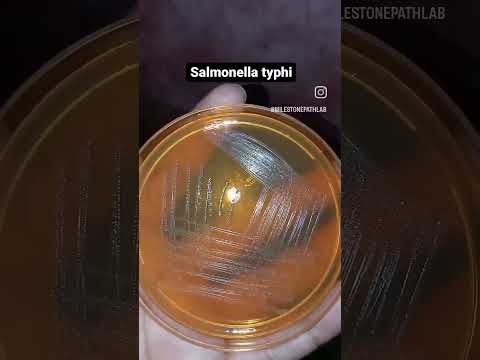
Salmonella typhi - microbiology & bacteriology

Salmonella typhi The Bacterium Behind Typhoid Fever
Salmonella: The Threat in Food!

Salmonella outbreak linked to moringa supplements
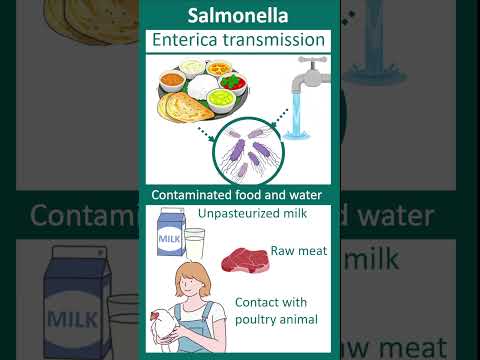
Salmonella enterica - Salmonellosis - enteric fever
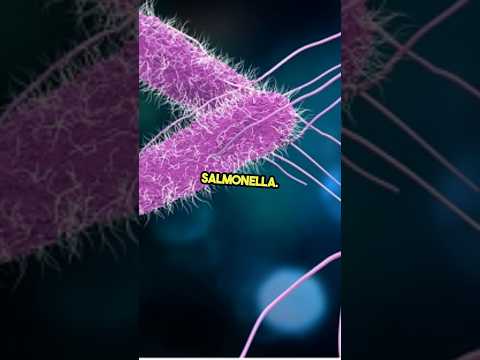
What Are the WARNING Signs of Salmonella Disease?
There is an egg recall due to a Salmonella outbreak
Typhoid Fever - Uses & Benefits

Probiotics Versus Salmonella