Tyrosine: The Amino Acid for Dopamine, Thyroid Health, and Stress Resilience
Table of Contents
- Overview
- Dopamine Production and Motivation
- Norepinephrine and Adrenaline Synthesis
- Thyroid Hormone Production (T3 and T4)
- Stress Response and Resilience
- Cognitive Performance Under Pressure
- Melanin Production and Skin Pigmentation
- Depression and Mood Disorders
- ADHD and Focus
- Phenylketonuria (PKU) Relevance
- Deficiency Signs
- Food Sources
- Supplementation Guidelines
- Recommended Daily Intake
- Featured Videos
Overview
Tyrosine is a conditionally essential amino acid that serves as the biochemical starting material for some of the most important signaling molecules in the human body. Under normal circumstances, the body synthesizes tyrosine from the essential amino acid phenylalanine via the enzyme phenylalanine hydroxylase. However, during periods of acute stress, illness, trauma, or in individuals with certain genetic conditions such as phenylketonuria, the body's capacity to produce adequate tyrosine can become compromised, making dietary or supplemental intake critically important.
From a naturopathic perspective, tyrosine occupies a central position in the body's ability to maintain emotional balance, mental clarity, metabolic vitality, and adaptive resilience. It is the direct precursor to dopamine, norepinephrine, epinephrine (adrenaline), thyroid hormones, and melanin. This means that a single amino acid feeds into the pathways governing motivation, alertness, metabolic rate, stress adaptation, and even skin and hair pigmentation. When tyrosine stores are depleted, the downstream effects can ripple through virtually every organ system.
The chemical name for tyrosine is 4-hydroxyphenylalanine, and it was first isolated from casein (milk protein) in 1846 by the German chemist Justus von Liebig. The name itself derives from the Greek word tyros, meaning cheese. In modern integrative medicine, tyrosine has gained significant attention for its role in supporting cognitive function during demanding conditions and for its therapeutic potential in mood disorders, thyroid dysfunction, and neurotransmitter imbalances.
Dopamine Production and Motivation
Tyrosine is the foundational precursor in the dopamine synthesis pathway. The enzyme tyrosine hydroxylase converts tyrosine into L-DOPA (levodopa), which is then rapidly converted into dopamine by the enzyme aromatic L-amino acid decarboxylase. This two-step conversion is the rate-limiting process for dopamine production in the brain, meaning that the availability of tyrosine directly influences how much dopamine the body can manufacture.
Dopamine is the neurotransmitter most closely associated with motivation, reward-seeking behavior, pleasure, and goal-directed action. It is the driving force behind the experience of satisfaction when completing a task, the anticipation of reward, and the inner momentum that propels a person to initiate and sustain effort. When dopamine levels are adequate, individuals tend to feel engaged, purposeful, and emotionally resilient. When levels fall, the result is often a pervasive sense of apathy, low motivation, anhedonia (the inability to feel pleasure), and difficulty concentrating.
In clinical naturopathic practice, supporting healthy dopamine levels through adequate tyrosine intake is a foundational strategy for patients presenting with motivational deficits, mild depressive symptoms, or chronic fatigue that does not respond to conventional interventions. Tyrosine provides the raw material the brain needs without forcibly altering neurotransmitter dynamics the way pharmaceutical agents often do, allowing the body's own regulatory mechanisms to determine the appropriate level of dopamine production.
Norepinephrine and Adrenaline Synthesis
Beyond dopamine, tyrosine feeds directly into the production of norepinephrine (noradrenaline) and epinephrine (adrenaline). Once dopamine is synthesized, the enzyme dopamine beta-hydroxylase converts it into norepinephrine within the adrenal medulla and sympathetic nerve terminals. A further enzymatic step, catalyzed by phenylethanolamine N-methyltransferase, converts norepinephrine into epinephrine.
Norepinephrine plays an essential role in arousal, attention, and the brain's ability to respond to novel or important stimuli. It modulates the prefrontal cortex's executive functions, including working memory, decision-making, and cognitive flexibility. Epinephrine, more commonly known as adrenaline, governs the acute fight-or-flight response, increasing heart rate, blood pressure, and glucose availability to prepare the body for immediate physical action.
When the body faces chronic stress, the demand for catecholamine production rises dramatically. The adrenal glands work overtime to produce norepinephrine and epinephrine, and the pool of available tyrosine can become significantly depleted. This depletion contributes to what naturopathic practitioners often describe as adrenal fatigue or HPA-axis dysregulation, a state characterized by exhaustion, poor stress tolerance, brain fog, and emotional volatility. Ensuring sufficient tyrosine intake during periods of sustained stress is a practical and effective strategy to support the catecholamine pathway and prevent this cascade of depletion.
Thyroid Hormone Production (T3 and T4)
One of the most clinically significant roles of tyrosine lies in thyroid hormone synthesis. The thyroid gland produces thyroxine (T4) and triiodothyronine (T3) by combining tyrosine residues with iodine atoms. Specifically, the protein thyroglobulin contains tyrosine residues that are iodinated by the enzyme thyroid peroxidase. The coupling of these iodinated tyrosine molecules produces T3 (three iodine atoms) and T4 (four iodine atoms), which are then released into the bloodstream to regulate metabolic rate throughout the entire body.
Thyroid hormones influence virtually every cell, tissue, and organ. They govern basal metabolic rate, body temperature regulation, heart rate, digestive function, bone maintenance, brain development, and energy production at the mitochondrial level. When thyroid hormone production is insufficient, the result is hypothyroidism, characterized by fatigue, weight gain, cold intolerance, constipation, dry skin, hair loss, depression, and cognitive slowing.
From a naturopathic standpoint, supporting thyroid health requires attention to both iodine and tyrosine status. Many practitioners focus exclusively on iodine supplementation while overlooking the equally important role of tyrosine as the amino acid backbone of thyroid hormones. Patients with subclinical hypothyroidism, Hashimoto's thyroiditis in remission, or borderline thyroid function often benefit from ensuring adequate tyrosine intake alongside iodine, selenium, zinc, and other thyroid-supportive nutrients.
Stress Response and Resilience
The relationship between tyrosine and stress resilience has been extensively studied, particularly in military and high-performance contexts. Research conducted by the United States military has demonstrated that tyrosine supplementation can mitigate the cognitive and physical performance decline that typically accompanies acute stressors such as cold exposure, sleep deprivation, prolonged physical exertion, and multitasking under pressure.
During stress, the sympathetic nervous system and the hypothalamic-pituitary-adrenal (HPA) axis activate together, increasing the turnover of catecholamines. As dopamine, norepinephrine, and epinephrine are rapidly consumed, the brain's tyrosine reserves become depleted. This depletion manifests as diminished alertness, impaired working memory, reduced reaction time, and increased susceptibility to negative mood states. By providing supplemental tyrosine before or during the stressful event, the brain maintains an adequate substrate pool for continued catecholamine synthesis, effectively buffering against the performance decline.
In naturopathic practice, this principle is applied to patients who face chronic occupational stress, caregiving demands, academic pressure, or the sustained physiological stress of chronic illness. Rather than relying on stimulants such as caffeine or pharmaceutical interventions, tyrosine offers a physiologically harmonious approach to maintaining mental and physical performance during demanding periods. It does not artificially stimulate the nervous system but rather ensures that the body has the raw materials it needs to mount an appropriate and sustained stress response.
Cognitive Performance Under Pressure
Multiple controlled studies have demonstrated that tyrosine supplementation improves cognitive performance specifically under conditions that would normally cause decline. These conditions include sleep deprivation, exposure to cold, exposure to loud noise, military combat training scenarios, and demanding multitasking environments. The improvements are most consistently observed in working memory, cognitive flexibility, convergent thinking (the ability to find a single correct solution to a problem), and sustained attention.
The mechanism underlying these benefits is straightforward: when the brain is under stress, catecholamine turnover accelerates. The prefrontal cortex, which is particularly sensitive to catecholamine levels, begins to function suboptimally as neurotransmitter availability falls. Tyrosine replenishes the precursor pool, allowing the prefrontal cortex to maintain adequate dopamine and norepinephrine signaling. Notably, tyrosine does not appear to enhance cognitive performance beyond baseline in non-stressed conditions, which underscores its role as a restorative rather than a stimulant compound.
For students facing examination periods, professionals navigating high-stakes projects, shift workers managing irregular sleep schedules, and athletes competing in endurance events, tyrosine represents a safe and evidence-supported strategy for maintaining peak cognitive function when it matters most.
Melanin Production and Skin Pigmentation
Tyrosine serves as the precursor to melanin, the pigment responsible for the color of skin, hair, and eyes. Within melanocytes (specialized pigment-producing cells), the enzyme tyrosinase converts tyrosine into DOPA and subsequently into dopaquinone, which then undergoes a series of chemical reactions to form eumelanin (brown-black pigment) and pheomelanin (red-yellow pigment). The ratio and distribution of these melanin types determine individual pigmentation characteristics.
Melanin serves a protective function beyond aesthetics. It absorbs ultraviolet radiation from sunlight, shielding the DNA within skin cells from mutagenic damage. Adequate melanin production is therefore an important component of the body's defense against sun-induced skin damage and skin cancer. Conditions such as vitiligo, in which melanocytes are destroyed by autoimmune processes, result in patches of depigmented skin and highlight the importance of tyrosine-dependent melanin production for normal skin function.
While tyrosine supplementation alone is not a treatment for pigmentation disorders, ensuring adequate tyrosine availability supports the melanin synthesis pathway and is part of a comprehensive naturopathic approach to skin health. Practitioners often consider tyrosine status in patients with premature graying, unexplained changes in pigmentation, or conditions affecting melanocyte function.
Depression and Mood Disorders
Because tyrosine is the upstream precursor to dopamine and norepinephrine, both of which are central to mood regulation, it has received considerable attention as a potential therapeutic agent in depression and related mood disorders. The catecholamine hypothesis of depression posits that a deficiency in norepinephrine and dopamine activity contributes to depressive symptoms, particularly those involving anhedonia, psychomotor retardation, low energy, and reduced motivation.
Clinical observations and preliminary studies suggest that tyrosine may be most beneficial in dopamine-predominant depressive presentations, which are characterized by lack of motivation, inability to experience pleasure, fatigue, and social withdrawal, rather than in serotonin-predominant presentations, which tend to feature anxiety, rumination, and sleep disturbance. This distinction is critical in naturopathic practice, where individualized treatment based on the patient's unique neurotransmitter profile leads to superior outcomes compared to a one-size-fits-all approach.
Tyrosine is often used alongside cofactors that support the catecholamine synthesis pathway, including vitamin B6 (required by aromatic amino acid decarboxylase), iron (a cofactor for tyrosine hydroxylase), copper (required by dopamine beta-hydroxylase), folate, and vitamin C. This comprehensive approach ensures that the entire enzymatic chain from tyrosine to dopamine to norepinephrine functions optimally. It is important to note that tyrosine supplementation should be approached cautiously in patients taking monoamine oxidase inhibitors (MAOIs) or those with bipolar disorder, as increasing catecholamine precursors could potentially trigger manic episodes.
ADHD and Focus
Attention deficit hyperactivity disorder (ADHD) is fundamentally linked to dopamine dysregulation in the prefrontal cortex. The primary pharmaceutical treatments for ADHD, including methylphenidate and amphetamine-based medications, work by increasing dopamine and norepinephrine availability in the synaptic cleft. Given that tyrosine is the natural precursor to both of these neurotransmitters, it has been investigated as a nutritional support strategy for individuals with ADHD.
While large-scale clinical trials are limited, early research and extensive clinical experience suggest that tyrosine may provide modest but meaningful support for attention and focus, particularly in individuals with documented low catecholamine status. Some patients report improved concentration, reduced mental fatigue, and better task initiation when supplementing with tyrosine, especially when combined with other dopamine-supportive nutrients and lifestyle modifications such as regular exercise, adequate sleep, and structured routines.
In naturopathic practice, tyrosine is typically used as part of a broader integrative protocol for ADHD rather than as a standalone treatment. It pairs well with omega-3 fatty acids, magnesium, zinc, iron (when deficient), phosphatidylserine, and adaptogenic herbs such as Rhodiola rosea. The goal is to optimize the neurochemical environment naturally, reducing the severity of symptoms and potentially decreasing the need for pharmaceutical intervention, particularly in children and adolescents where long-term stimulant medication use raises understandable parental concerns.
Phenylketonuria (PKU) Relevance
Phenylketonuria is an inherited metabolic disorder caused by a deficiency in the enzyme phenylalanine hydroxylase, which converts phenylalanine to tyrosine. Without this enzyme, phenylalanine accumulates to toxic levels in the blood while tyrosine becomes a truly essential amino acid that must be obtained entirely from the diet. If untreated, PKU leads to severe intellectual disability, seizures, behavioral abnormalities, and psychiatric symptoms.
For individuals with PKU, tyrosine supplementation is not optional but medically necessary. The restricted low-phenylalanine diet that PKU patients must follow limits many protein-rich foods, which simultaneously restricts tyrosine intake. Specialized PKU medical formulas include supplemental tyrosine to prevent deficiency and support normal neurotransmitter and thyroid hormone production. Even with dietary management, some PKU patients exhibit subtle cognitive and neuropsychological differences compared to unaffected individuals, potentially related to suboptimal tyrosine availability in the brain.
Naturopathic practitioners working with PKU patients must be especially attentive to tyrosine status and its downstream effects on dopamine, norepinephrine, thyroid function, and melanin production. Monitoring blood tyrosine levels, thyroid function panels, and neurocognitive assessments over time helps ensure that supplementation is adequate and that the far-reaching consequences of tyrosine deficiency are minimized.
Deficiency Signs
True tyrosine deficiency is uncommon in individuals eating a varied diet with adequate protein. However, functional or relative deficiency can occur under several circumstances: chronic high stress, inadequate protein intake, PKU or carrier status for PKU, chronic illness, malabsorption conditions, and prolonged physical or emotional demands. The signs of inadequate tyrosine status reflect the downstream consequences of reduced catecholamine and thyroid hormone production.
Common indicators of low tyrosine status include:
- Low motivation and apathy resulting from reduced dopamine synthesis
- Difficulty concentrating and brain fog related to impaired prefrontal cortex function
- Fatigue and low energy from both catecholamine depletion and suboptimal thyroid function
- Depressed mood and anhedonia linked to diminished dopamine reward signaling
- Cold intolerance and sluggish metabolism suggesting reduced thyroid hormone production
- Poor stress tolerance and emotional reactivity due to inadequate norepinephrine reserves
- Changes in hair or skin pigmentation including premature graying from reduced melanin synthesis
- Increased susceptibility to weight gain as thyroid-mediated metabolic rate declines
- Restless legs or muscle tension potentially related to dopaminergic insufficiency
A comprehensive assessment including dietary history, symptom evaluation, thyroid function testing, and in some cases urinary neurotransmitter metabolite testing can help determine whether tyrosine insufficiency is contributing to a patient's clinical presentation.
Food Sources
Tyrosine is found in virtually all protein-containing foods, with the highest concentrations in animal-derived proteins and certain plant-based sources. Because the body can also synthesize tyrosine from phenylalanine, total intake of both amino acids contributes to overall tyrosine availability.
The richest dietary sources of tyrosine include:
- Cheese (particularly aged varieties such as Parmesan, Gruyere, and cheddar) which contain exceptionally high concentrations of free tyrosine
- Soybeans and soy products including tofu, tempeh, and edamame
- Turkey and chicken breast providing approximately 1,000 to 1,200 mg of tyrosine per 100 grams
- Fish including salmon, tuna, cod, and mackerel
- Eggs with tyrosine concentrated in the egg white
- Beef and pork as complete protein sources
- Dairy products including milk, yogurt, and cottage cheese
- Pumpkin seeds and sesame seeds among the best plant-based sources
- Lima beans, lentils, and chickpeas as legume-based options
- Wild rice and oats contributing modest amounts from whole grains
- Spirulina which is exceptionally rich in tyrosine per gram of protein
- Avocados and bananas among the fruits with notable tyrosine content
For optimal absorption, tyrosine-rich foods are best consumed with adequate vitamin B6, iron, and vitamin C, which serve as cofactors in the downstream conversion pathways. Consuming tyrosine sources away from high-carbohydrate meals may improve brain uptake, as large neutral amino acids compete for transport across the blood-brain barrier, and insulin-driven amino acid uptake into muscle can reduce circulating tyrosine availability to the brain.
Supplementation Guidelines
Tyrosine supplements are available in two primary forms: L-tyrosine and N-acetyl-L-tyrosine (NALT). L-tyrosine is the free-form amino acid and is the most extensively studied and clinically validated form. N-acetyl-L-tyrosine is more water-soluble but has lower bioavailability because the body must first remove the acetyl group before the tyrosine becomes biologically active, and this conversion is incomplete.
General supplementation guidelines for L-tyrosine include:
- General cognitive and mood support: 500 to 1,000 mg daily, taken on an empty stomach in the morning
- Acute stress situations: 1,000 to 2,000 mg taken 30 to 60 minutes before the anticipated stressor
- Chronic stress and adrenal support: 500 to 1,500 mg daily in divided doses, morning and early afternoon
- Thyroid support (as adjunct): 500 to 1,000 mg daily alongside iodine and selenium
Important considerations for safe and effective supplementation:
- Take tyrosine on an empty stomach or with a small amount of carbohydrate to reduce competition with other amino acids for brain uptake.
- Avoid taking tyrosine in the late afternoon or evening, as increased catecholamine synthesis may interfere with sleep.
- Combine with cofactors including vitamin B6, vitamin C, folate, copper, and iron for optimal conversion through the catecholamine pathway.
- Start with a lower dose and increase gradually to assess individual tolerance and response.
- Discontinue or reduce dosage if symptoms of overstimulation occur, such as anxiety, racing heart, irritability, or insomnia.
- Avoid tyrosine supplementation if taking MAO inhibitors, as the combination can cause dangerous elevations in blood pressure.
- Use caution in patients with hyperthyroidism, as additional thyroid hormone precursors may exacerbate the condition.
- Individuals with melanoma should consult their oncologist before supplementing, as tyrosine is a melanin precursor and theoretical concerns exist about stimulating melanocyte activity.
Recommended Daily Intake
The World Health Organization (WHO) recommends a combined intake of phenylalanine and tyrosine of approximately 25 mg per kilogram of body weight per day for adults. For a 70 kg (154 lb) adult, this translates to roughly 1,750 mg per day of combined phenylalanine and tyrosine. Most individuals consuming a diet with adequate protein (0.8 to 1.2 grams per kilogram of body weight) will easily meet or exceed this requirement through food alone.
Specific population considerations include:
- Adults: 25 mg/kg/day of combined phenylalanine and tyrosine (approximately 1,750 mg for a 70 kg individual)
- Infants: Higher requirements of approximately 72 mg/kg/day to support rapid brain development and growth
- Children: 22 to 27 mg/kg/day depending on age, with higher requirements during periods of rapid growth
- Pregnant and lactating women: Increased needs to support fetal and infant development, with requirements rising by approximately 20 to 25 percent above baseline
- PKU patients: Tyrosine must be supplemented to maintain blood levels between 40 and 80 micromoles per liter, with individual dosing determined by metabolic monitoring
- Athletes and high-stress individuals: May benefit from intake at the upper end of the recommended range or modest supplementation of 500 to 2,000 mg daily
No formal tolerable upper intake level (UL) has been established for tyrosine, though doses exceeding 150 mg/kg/day in research settings have occasionally been associated with gastrointestinal discomfort, headache, and nausea. For most individuals, supplemental doses in the range of 500 to 2,000 mg daily are well tolerated and supported by the available evidence. As with all amino acid supplementation, it is advisable to work with a qualified healthcare practitioner to determine the appropriate dose for individual needs and to monitor for interactions with medications or pre-existing health conditions.
Featured Videos
How tyrosine improves adrenal, thyroid, and brain health
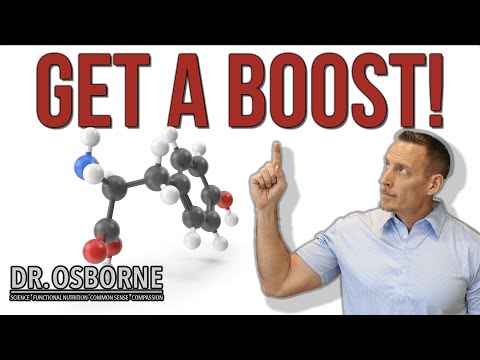
Tyrosine as the key amino acid for managing stress, brain health, and mood
L-tyrosine benefits explained in just 60 seconds

What actually happens to your body when you take tyrosine
A 30-day L-tyrosine experiment and the surprising results
Everything you need to know about L-tyrosine supplementation
What you need to know about L-tyrosine for sharpening focus and mood
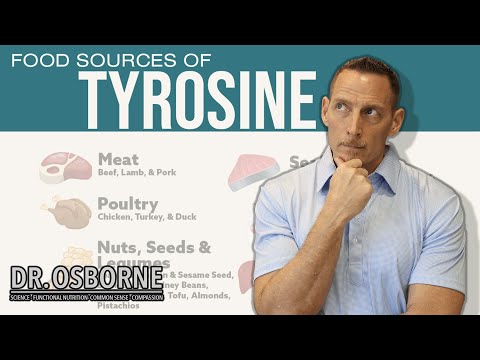
Tyrosine supplementation benefits, proper dosage, and food sources explained
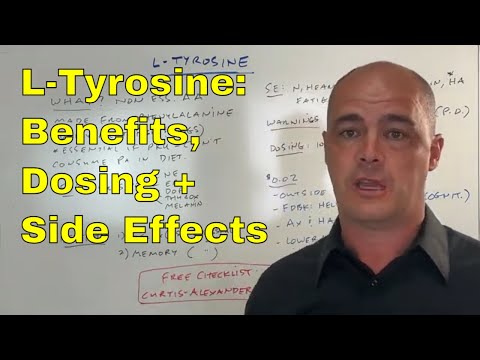
A pharmacist reviews L-tyrosine benefits, side effects, dosing, and warnings
The surprising cognitive performance benefits of L-tyrosine supplementation

How L-tyrosine may serve as a natural solution for ADHD symptoms
Andrew Huberman on tyrosine supplementation and its effects on working memory