Methionine: The Sulfur Amino Acid for Detoxification and Cellular Health
Table of Contents
- Overview
- Sulfur Metabolism and Methylation
- Glutathione Production and Antioxidant Defense
- Liver Detoxification
- Tissue Growth and Repair
- Creatine and Carnitine Synthesis
- Hair, Skin, and Nail Health
- Joint and Cartilage Support
- Cardiovascular Considerations (Homocysteine)
- Deficiency Signs
- Food Sources
- Supplementation Guidelines
- Recommended Daily Intake
- Featured Videos
Overview
Methionine is one of the nine essential amino acids that the human body cannot synthesize on its own and must therefore obtain from dietary sources. Among the twenty standard amino acids used in protein synthesis, methionine holds a unique distinction: it is one of only two amino acids that contain sulfur, the other being cysteine. This sulfur-containing nature is central to its extraordinary biological importance, as sulfur atoms participate in a vast array of enzymatic reactions, structural bonds, and detoxification pathways throughout the body.
In naturopathic medicine, methionine is regarded as a foundational nutrient for whole-body detoxification, methylation support, and antioxidant defense. It serves as the universal initiator of protein synthesis in all eukaryotic cells, meaning that every protein your body builds begins with methionine. Beyond its structural role, methionine is the precursor to S-adenosylmethionine (SAMe), one of the most important methyl donors in human biochemistry. SAMe participates in over 200 methylation reactions that regulate gene expression, neurotransmitter production, hormone metabolism, and cellular repair.
From a holistic perspective, methionine occupies a central position in the intricate web connecting liver function, immune defense, connective tissue integrity, and neurological health. Understanding how this amino acid operates within the body provides a powerful framework for supporting patients who struggle with chronic toxin exposure, impaired liver function, mood disorders, and degenerative conditions affecting the joints, skin, and cardiovascular system.
Sulfur Metabolism and Methylation
The sulfur atom within methionine is the key to its remarkable metabolic versatility. Once absorbed from the digestive tract, methionine enters the methionine cycle, a tightly regulated biochemical pathway that converts methionine into S-adenosylmethionine (SAMe) through the action of the enzyme methionine adenosyltransferase and the energy molecule ATP. SAMe is often called the body's "universal methyl donor" because it transfers methyl groups (CH3) to DNA, RNA, proteins, phospholipids, and small molecules throughout every tissue in the body.
Methylation is one of the most fundamental processes in human biochemistry. It governs the silencing and activation of genes through epigenetic modification, influences the synthesis of neurotransmitters such as serotonin, dopamine, and norepinephrine, and is essential for the production of creatine, carnitine, coenzyme Q10, melatonin, and phosphatidylcholine. When methylation is impaired, whether due to genetic polymorphisms such as MTHFR variants, nutritional deficiencies, or toxic burden, the consequences can ripple across virtually every organ system.
After SAMe donates its methyl group, it becomes S-adenosylhomocysteine (SAH), which is then converted to homocysteine. Homocysteine sits at a critical metabolic crossroads: it can be remethylated back to methionine using vitamin B12 and folate (the remethylation pathway), or it can be irreversibly converted to cysteine through the transsulfuration pathway, which requires vitamin B6. This branching point is of great clinical significance, as it determines whether sulfur flows toward continued methylation or toward the production of glutathione and other sulfur-containing compounds essential for detoxification.
In naturopathic practice, supporting healthy methylation through adequate methionine intake and appropriate cofactor supplementation (B6, B12, folate, and betaine) is a cornerstone strategy for patients dealing with mood disorders, chronic fatigue, hormonal imbalances, and impaired detoxification capacity.
Glutathione Production and Antioxidant Defense
One of methionine's most critical downstream contributions is its role in the production of glutathione, widely recognized as the body's master antioxidant. Through the transsulfuration pathway, methionine is converted to homocysteine and then to cysteine, which serves as the rate-limiting precursor for glutathione synthesis. Glutathione is a tripeptide composed of cysteine, glutamic acid, and glycine, and it is present in virtually every cell of the body, with the highest concentrations found in the liver.
Glutathione protects cells from oxidative damage by neutralizing free radicals, reactive oxygen species, and lipid peroxides. It also plays an indispensable role in Phase II liver detoxification through glutathione conjugation, binding to toxic metabolites, heavy metals, and xenobiotics to render them water-soluble for excretion. Beyond detoxification, glutathione supports immune function by modulating the activity of natural killer cells, T lymphocytes, and other immune effectors.
When methionine intake is insufficient, the body's capacity to generate cysteine and subsequently glutathione becomes compromised. This can lead to a state of increased oxidative stress, reduced detoxification capacity, and heightened vulnerability to environmental toxins, chronic infections, and inflammatory conditions. Clinically, patients with low glutathione status often present with fatigue, chemical sensitivities, recurrent infections, and accelerated aging of the skin and other tissues.
Supporting glutathione production through adequate methionine intake, alongside complementary nutrients such as N-acetylcysteine, selenium, and alpha-lipoic acid, is a fundamental strategy in naturopathic medicine for patients facing chronic oxidative stress and toxic burden.
Liver Detoxification
The liver is the body's primary organ of detoxification, and methionine is deeply involved in supporting its function at multiple levels. As a lipotropic agent, methionine helps prevent the excessive accumulation of fat in the liver by promoting the synthesis of phosphatidylcholine, a phospholipid essential for the export of triglycerides from hepatocytes via very-low-density lipoprotein (VLDL) particles. Without adequate methionine and its downstream metabolite SAMe, fat can build up in the liver, contributing to non-alcoholic fatty liver disease (NAFLD) and impaired hepatic function.
Methionine's contribution to glutathione production, as described above, directly supports Phase II conjugation reactions in the liver. These reactions are responsible for neutralizing and preparing toxic compounds for elimination through bile and urine. Heavy metals such as lead, mercury, and cadmium, as well as environmental pollutants, pharmaceutical drug metabolites, and endogenous waste products like excess estrogen, all rely on glutathione conjugation for safe removal from the body.
Additionally, SAMe derived from methionine supports the methylation of histamine, estrogen, and other compounds that the liver must process and deactivate. Patients with sluggish liver function, a history of alcohol use, or exposure to environmental toxins frequently benefit from methionine supplementation as part of a comprehensive liver support protocol. In naturopathic practice, methionine is often combined with other lipotropic nutrients such as choline, inositol, and betaine to create synergistic formulas that promote healthy hepatic lipid metabolism, bile flow, and detoxification capacity.
Tissue Growth and Repair
As the initiating amino acid in eukaryotic protein translation, methionine is indispensable for the synthesis of every new protein the body produces. This makes it fundamentally important for tissue growth, wound healing, and the ongoing maintenance and repair of cells throughout the body. During periods of rapid growth, such as childhood, pregnancy, and recovery from illness or surgery, the demand for methionine increases significantly.
Methionine's sulfur content contributes to the formation of disulfide bonds between cysteine residues in proteins. These bonds are critical for maintaining the three-dimensional structure and biological activity of enzymes, structural proteins, and immunoglobulins. The structural integrity of collagen, keratin, elastin, and numerous other proteins depends on the availability of sulfur-containing amino acids derived from methionine.
In clinical practice, patients recovering from surgical procedures, burns, fractures, or chronic wounds often exhibit increased methionine requirements. Ensuring adequate intake of this amino acid, along with other protein-building nutrients such as zinc, vitamin C, and the branched-chain amino acids, can meaningfully accelerate healing and reduce the risk of complications during recovery.
Creatine and Carnitine Synthesis
Methionine, through its conversion to SAMe, is essential for the biosynthesis of creatine, a compound that serves as a rapid energy reserve in skeletal muscle, cardiac muscle, and brain tissue. Creatine synthesis consumes a substantial portion of the body's daily methyl groups, with SAMe donating a methyl group to guanidinoacetate to form creatine in the liver and kidneys. Creatine is then transported to tissues with high energy demands, where it is phosphorylated to form phosphocreatine, enabling rapid regeneration of ATP during intense physical activity and cognitive exertion.
Methionine also participates indirectly in the synthesis of carnitine, a compound essential for the transport of long-chain fatty acids into the mitochondria for beta-oxidation and energy production. Carnitine synthesis requires SAMe-dependent methylation of lysine residues, as well as adequate levels of vitamin C, iron, niacin, and vitamin B6. Deficiencies in methionine can therefore impair the body's ability to burn fat efficiently, contributing to fatigue, weight gain, and reduced exercise tolerance.
For patients presenting with muscle weakness, low exercise endurance, cognitive sluggishness, or difficulty with fat metabolism, naturopathic practitioners consider methionine status alongside other nutrient cofactors as part of a comprehensive evaluation of energy production pathways.
Hair, Skin, and Nail Health
The sulfur provided by methionine is a critical building block for keratin, the structural protein that forms the primary component of hair, skin, and nails. Keratin's strength and resilience depend on extensive cross-linking between cysteine residues through disulfide bonds, and since cysteine is derived from methionine through the transsulfuration pathway, adequate methionine intake is directly linked to the structural integrity of these tissues.
Patients with brittle nails, thinning hair, slow hair growth, or dry and lackluster skin may be exhibiting signs of insufficient sulfur amino acid intake. Methionine also contributes to collagen and elastin synthesis in the dermis, supporting skin elasticity, firmness, and the capacity for wound healing. The antioxidant protection afforded by methionine-derived glutathione further shields skin cells from ultraviolet radiation damage and environmental oxidative stress.
In naturopathic dermatology, methionine is frequently recommended as part of a nutritional strategy for supporting healthy hair growth, strengthening nails, and improving skin quality. It is often combined with biotin, zinc, silica, vitamin C, and other sulfur-rich nutrients such as methylsulfonylmethane (MSM) to create comprehensive formulas targeting connective tissue health and beauty from within.
Joint and Cartilage Support
Methionine plays an important role in maintaining the health and integrity of cartilage, the specialized connective tissue that cushions joints and enables smooth, pain-free movement. Sulfur from methionine is incorporated into the sulfated glycosaminoglycans (GAGs) that form a major structural component of cartilage matrix, including chondroitin sulfate, keratan sulfate, and heparan sulfate. These sulfated compounds attract water into the cartilage matrix, providing the compressive resilience that allows joints to absorb shock and bear mechanical loads.
Research has demonstrated that cartilage from patients with osteoarthritis contains significantly lower sulfur content compared to healthy cartilage. This observation has led to clinical interest in sulfur-containing amino acid supplementation as a strategy for supporting joint health and potentially slowing cartilage degradation. Methionine supplementation has been studied for its ability to reduce pain and improve function in osteoarthritis patients, with some trials showing benefits comparable to non-steroidal anti-inflammatory drugs.
From a naturopathic perspective, methionine is a valuable component of joint support protocols, particularly when combined with glucosamine sulfate, chondroitin sulfate, MSM, and anti-inflammatory botanicals such as turmeric and boswellia. By providing the sulfur substrate needed for cartilage maintenance and repair, methionine addresses a root cause of joint degeneration rather than merely suppressing symptoms.
Cardiovascular Considerations (Homocysteine)
While methionine provides numerous health benefits, it is important to understand its relationship to homocysteine, an intermediate metabolite that has been identified as an independent risk factor for cardiovascular disease when present in elevated concentrations. As methionine is metabolized through the methionine cycle, homocysteine is produced as a byproduct. Under normal circumstances, homocysteine is efficiently recycled back to methionine or converted to cysteine, keeping its blood levels within a safe range.
However, when the enzymes and cofactors responsible for homocysteine clearance are impaired, whether due to genetic polymorphisms (such as MTHFR C677T or CBS variants), deficiencies in vitamin B6, vitamin B12, or folate, or other metabolic disruptions, homocysteine can accumulate in the blood. Elevated homocysteine, known as hyperhomocysteinemia, has been associated with endothelial damage, increased oxidative stress in blood vessel walls, enhanced platelet aggregation, and accelerated atherosclerosis.
This does not mean that methionine itself is harmful to cardiovascular health. Rather, it underscores the critical importance of ensuring adequate cofactor status when methionine intake is high. In naturopathic practice, patients with elevated homocysteine levels are typically supported with activated forms of B vitamins, including methylfolate (5-MTHF), methylcobalamin (B12), and pyridoxal-5-phosphate (B6), along with betaine (trimethylglycine), which provides an alternative pathway for homocysteine remethylation. Regular monitoring of homocysteine levels through blood testing is recommended for patients with cardiovascular risk factors, a family history of heart disease, or known MTHFR polymorphisms.
When methionine metabolism is properly supported with adequate B vitamin cofactors, the cardiovascular risks associated with homocysteine can be effectively managed, allowing patients to benefit from methionine's many positive contributions to health.
Deficiency Signs
Methionine deficiency, while uncommon in individuals consuming a varied diet with adequate protein, can develop in certain populations and clinical scenarios. Those most at risk include strict vegans who do not carefully plan their protein intake, individuals with malabsorptive conditions such as celiac disease or inflammatory bowel disease, the elderly with reduced appetite and impaired digestion, and patients with chronic liver disease or other conditions that increase methionine utilization.
Signs and symptoms of methionine deficiency may include:
- Impaired liver function and fatty liver due to reduced phosphatidylcholine synthesis and compromised lipotropic activity
- Slow wound healing and poor tissue repair from diminished protein synthesis and collagen formation
- Muscle wasting and weakness resulting from inadequate protein turnover and reduced creatine production
- Brittle nails, hair loss, and dry skin reflecting insufficient sulfur for keratin and collagen synthesis
- Increased susceptibility to infections due to depleted glutathione and impaired immune cell function
- Mood disturbances, depression, and cognitive fog from impaired SAMe-dependent neurotransmitter methylation
- Joint stiffness and pain from inadequate sulfation of cartilage glycosaminoglycans
- Elevated oxidative stress and chemical sensitivities due to reduced glutathione reserves
- Poor fat metabolism and low energy from compromised carnitine synthesis
In clinical practice, methionine status is not routinely measured directly, but can be inferred through plasma amino acid profiles, homocysteine levels, liver function markers, and a thorough assessment of dietary protein intake and digestive function.
Food Sources
Methionine is found in a wide variety of protein-rich foods, with animal sources generally providing higher concentrations per serving than plant sources. The following foods are among the richest dietary sources of methionine:
Animal Sources
- Eggs — particularly egg whites, which are one of the most concentrated sources of methionine
- Fish and seafood — wild-caught salmon, tuna, halibut, cod, and shrimp
- Poultry — chicken breast and turkey
- Red meat — grass-fed beef, lamb, and bison
- Dairy products — Parmesan cheese, cottage cheese, and yogurt
Plant Sources
- Brazil nuts — among the highest plant sources of methionine and also rich in selenium
- Sesame seeds and sunflower seeds
- Soybeans and tofu
- Legumes — lentils, chickpeas, and kidney beans (moderate amounts)
- Whole grains — oats, quinoa, and brown rice
- Spirulina and chlorella — nutrient-dense algae with a favorable amino acid profile
It is worth noting that plant-based proteins tend to be lower in methionine relative to animal proteins. Individuals following a vegan or vegetarian diet should consume a diverse combination of legumes, grains, nuts, and seeds throughout the day to ensure adequate methionine intake. Combining complementary plant proteins, such as rice with beans or hummus with whole grain bread, can help achieve a more complete amino acid profile.
Supplementation Guidelines
Methionine is available as a dietary supplement in several forms, each with distinct clinical applications:
- L-Methionine — the natural, biologically active form of the amino acid, typically available in capsule or powder form at doses ranging from 500 mg to 1,500 mg per day
- DL-Methionine — a racemic mixture of the L and D forms, sometimes used for urinary acidification and in veterinary medicine, but the L-form is generally preferred for nutritional supplementation
- SAMe (S-adenosylmethionine) — the activated, methylated form of methionine, widely used in clinical practice for mood support, liver health, and joint pain at doses of 200 mg to 1,600 mg per day
When supplementing with methionine, it is essential to ensure concurrent adequate intake of the B vitamin cofactors required for healthy methionine metabolism:
- Vitamin B6 (pyridoxal-5-phosphate) — supports the transsulfuration pathway
- Vitamin B12 (methylcobalamin) — supports the remethylation of homocysteine to methionine
- Folate (5-methyltetrahydrofolate) — provides the methyl group for homocysteine remethylation
- Betaine (trimethylglycine) — provides an alternative remethylation pathway via the BHMT enzyme
Methionine supplements are best taken on an empty stomach for optimal absorption, ideally 30 minutes before meals. Patients with known hyperhomocysteinemia, severe liver disease, or schizophrenia should use methionine supplements only under the guidance of a qualified healthcare practitioner, as these conditions may require careful monitoring and dose adjustment.
As with all amino acid supplementation, methionine should be used as part of a comprehensive nutritional strategy rather than in isolation. A whole-foods diet rich in high-quality protein remains the foundation, with targeted supplementation employed to address specific clinical needs and deficiencies.
Recommended Daily Intake
The World Health Organization and various nutrition authorities have established recommended intake levels for methionine combined with cysteine (since cysteine can partially spare methionine requirements):
- Adults: approximately 19 mg per kilogram of body weight per day of combined methionine and cysteine. For a 70 kg (154 lb) adult, this translates to roughly 1,330 mg per day.
- Infants and children: requirements are proportionally higher relative to body weight due to rapid growth and development, ranging from 28 to 43 mg per kilogram per day depending on age.
- Pregnant and lactating women: requirements increase modestly to support fetal development, placental growth, and breast milk production.
In clinical practice, therapeutic doses of L-methionine typically range from 500 mg to 2,000 mg per day, depending on the condition being addressed. SAMe is commonly dosed at 400 mg to 1,600 mg per day for mood support and 600 mg to 1,200 mg per day for joint and liver health. These therapeutic doses should be established in consultation with a knowledgeable healthcare practitioner who can assess individual needs, monitor homocysteine levels, and adjust cofactor support accordingly.
It is important to recognize that methionine requirements are not fixed but vary according to a person's overall protein intake, genetic methylation capacity, toxic burden, level of physical activity, and state of health. A personalized approach, grounded in thorough clinical assessment and ongoing monitoring, yields the best outcomes when using methionine as a therapeutic tool.
Featured Videos

Low Methionine Diets: Live Longer? - Explores the research linking dietary methionine restriction to extended lifespan and reduced age-related disease in animal and human studies.

Gary Brecka explains how methionine influences neurotransmitter production and calms the nervous system, promoting deeper and more restorative sleep.
Methionine's Hidden Role in Aging - Breaks down the science of how methionine metabolism affects cellular aging, oxidative stress, and longevity pathways.

Methionine - A comprehensive overview of this essential sulfur-containing amino acid, covering its biochemical roles, dietary sources, and significance in human health.

Methionine Restriction: A Smarter Way to Age Well - Discusses practical strategies for reducing methionine intake to support healthier aging without sacrificing nutritional adequacy.

Secret to Aging Better Living Longer - Examines how lowering methionine consumption may activate protective cellular mechanisms that slow aging and extend healthy lifespan.

Methionine and Cancer - Investigates the connection between methionine metabolism and cancer cell growth, including how methionine dependence in tumors may open therapeutic avenues.

The Role of Methionine - Covers methionine's essential functions in methylation, protein synthesis, and the production of critical compounds like SAMe and glutathione.
Methionine: The Detoxifier - Explores whether you are getting enough methionine to support liver detoxification, glutathione production, and overall cellular health.

Methionine: The Essential Amino Acid for Detox, Hair and Liver Health - Discusses how methionine supports liver function, promotes healthy hair growth, and aids the body's natural detoxification processes.
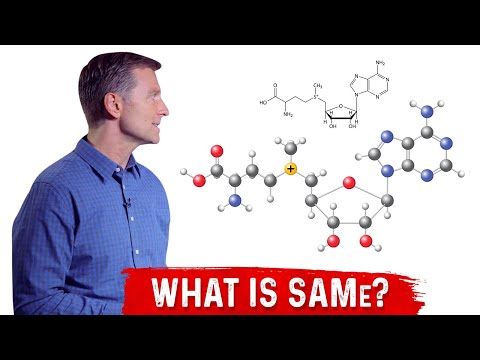
Dr. Berg explains S-Adenosyl-Methionine (SAMe), the activated form of methionine, covering its role in mood regulation, joint health, liver support, and over 200 methylation reactions in the body.