Isoleucine: The Branched-Chain Amino Acid for Muscle and Energy
Table of Contents
- Overview
- Muscle Metabolism and Repair
- Energy Production
- Hemoglobin Synthesis
- Blood Sugar Regulation
- Immune System Support
- Wound Healing and Recovery
- Nervous System Function
- Hormonal Balance
- Deficiency Signs
- Food Sources
- Supplementation Guidelines
- Recommended Daily Intake
- Featured Videos
Overview
Isoleucine is one of the nine essential amino acids that the human body cannot synthesize on its own and must therefore obtain through dietary sources. It belongs to the group of three branched-chain amino acids (BCAAs), alongside leucine and valine, so named because of their distinctive branched molecular structure. These three amino acids account for approximately 35 percent of the essential amino acids found in muscle protein and roughly 40 percent of the total amino acids required by mammals.
From a naturopathic perspective, isoleucine occupies a central role in the body's ability to maintain homeostasis across multiple organ systems. Unlike many amino acids that are metabolized primarily in the liver, isoleucine and the other BCAAs are unique in that they are metabolized predominantly in skeletal muscle tissue. This characteristic gives isoleucine a direct and immediate role in muscle physiology, energy metabolism, and post-exercise recovery.
Isoleucine was first isolated from beet sugar molasses in 1904 by the German chemist Felix Ehrlich. Since then, research has steadily expanded our understanding of its physiological importance. It is now recognized as a key participant in hemoglobin formation, blood glucose regulation, immune defense, wound healing, and neurological function. Its chemical formula is C6H13NO2, and it exists in two stereoisomeric forms, with L-isoleucine being the biologically active form found in proteins and living tissues.
In clinical and naturopathic practice, isoleucine status is evaluated alongside leucine and valine because the three BCAAs share the same enzymatic pathways for degradation. An imbalance among the three can produce metabolic consequences just as significant as an outright deficiency. Maintaining proper ratios among the BCAAs is therefore an important consideration in both dietary planning and supplementation strategies.
Muscle Metabolism and Repair
Isoleucine plays a fundamental role in maintaining and repairing skeletal muscle tissue. While leucine is often highlighted as the primary BCAA responsible for stimulating muscle protein synthesis through the mTOR signaling pathway, isoleucine contributes to this process in complementary and equally important ways. Isoleucine enhances glucose uptake into muscle cells, providing the raw fuel necessary for the energy-intensive process of building new muscle proteins.
During and after strenuous physical activity, muscle fibers sustain microscopic damage that triggers an inflammatory and repair cascade. Isoleucine supports this repair process by serving as a building block for the new structural proteins needed to reconstruct damaged fibers. Without adequate isoleucine availability, the rate of muscle protein synthesis slows, and recovery times lengthen considerably.
Research has demonstrated that isoleucine stimulates the PI3K/Akt signaling pathway, which promotes glucose transporter type 4 (GLUT4) translocation to the cell surface of muscle cells. This mechanism is independent of insulin signaling, meaning isoleucine can facilitate glucose entry into muscle cells even in states of relative insulin resistance. For athletes and physically active individuals, this translates to better glycogen replenishment and more efficient muscle recovery following exercise.
In naturopathic practice, patients recovering from prolonged illness, surgery, or periods of immobility often present with significant muscle wasting, known as sarcopenia or disuse atrophy. Ensuring adequate isoleucine intake, whether through whole food sources or targeted supplementation, forms an essential part of rehabilitation protocols. Elderly patients, who naturally experience age-related muscle loss, also benefit from attention to isoleucine status as part of a broader strategy to preserve lean muscle mass and functional independence.
Isoleucine also helps prevent excessive muscle protein breakdown during periods of caloric restriction or fasting. When the body is in a catabolic state, BCAAs including isoleucine can be oxidized directly in muscle tissue to provide energy, thereby sparing other muscle proteins from degradation. This anti-catabolic property makes isoleucine particularly valuable for patients who are managing weight while trying to preserve muscle tissue.
Energy Production
One of the distinguishing features of isoleucine among the amino acids is its classification as both glucogenic and ketogenic. This means that isoleucine can be metabolized to produce both glucose (through gluconeogenesis) and ketone bodies, giving the body remarkable flexibility in energy production depending on metabolic conditions and nutritional status.
When isoleucine is catabolized, its carbon skeleton is converted into succinyl-CoA and acetyl-CoA. Succinyl-CoA enters the citric acid cycle (Krebs cycle) directly, contributing to ATP production through oxidative phosphorylation. Acetyl-CoA can either enter the Krebs cycle for further energy extraction or be diverted toward ketone body synthesis when carbohydrate availability is limited, such as during fasting, prolonged exercise, or ketogenic dietary patterns.
This dual metabolic pathway makes isoleucine an especially valuable energy substrate during endurance exercise. As muscle glycogen stores become depleted during prolonged physical activity, the body increasingly relies on alternative fuel sources. Isoleucine and the other BCAAs can be oxidized directly within working muscle fibers, providing a readily available energy source that does not require hepatic processing first. Studies have shown that BCAA oxidation can account for up to 10 percent of total energy expenditure during extended exercise bouts.
From a naturopathic standpoint, supporting energy production through adequate amino acid nutrition is preferable to reliance on stimulants or simple sugars. Patients who report chronic fatigue, exercise intolerance, or slow recovery from physical exertion may benefit from an assessment of their BCAA intake and status. Isoleucine, as part of the BCAA trio, helps ensure that the body has sufficient metabolic substrates to maintain energy output during both rest and activity.
Furthermore, isoleucine's role in energy metabolism extends to its influence on mitochondrial function. Adequate BCAA availability supports healthy mitochondrial biogenesis and function, which in turn supports cellular energy production across all tissues, not just muscle. This systemic benefit underscores the importance of isoleucine in maintaining overall vitality and metabolic health.
Hemoglobin Synthesis
Isoleucine is critically involved in the synthesis of hemoglobin, the iron-containing protein within red blood cells responsible for transporting oxygen from the lungs to every tissue in the body. Hemoglobin is composed of four polypeptide chains, two alpha and two beta, each of which contains isoleucine residues at specific positions that are essential for proper protein folding and function.
The presence of isoleucine within the hemoglobin molecule contributes to the hydrophobic core of the protein, which is necessary for maintaining the three-dimensional structure that allows hemoglobin to bind and release oxygen efficiently. Without adequate isoleucine, hemoglobin synthesis is impaired, potentially leading to reduced oxygen-carrying capacity and symptoms consistent with anemia, including fatigue, pallor, shortness of breath, and diminished exercise tolerance.
In naturopathic medicine, we recognize that anemia is not always solely a matter of iron deficiency. Nutritional anemias can result from inadequate intake of various nutrients required for red blood cell production, including B vitamins, copper, and essential amino acids such as isoleucine. When a patient presents with anemia that does not respond fully to iron supplementation alone, evaluating protein quality and amino acid intake becomes an important diagnostic step.
Isoleucine also supports the production of other heme-containing proteins beyond hemoglobin, including myoglobin (which stores oxygen in muscle tissue) and various cytochrome enzymes involved in cellular respiration and detoxification. This broader role in heme protein synthesis means that isoleucine status can affect not only oxygen transport but also cellular energy production and the liver's capacity for phase I detoxification reactions.
Blood Sugar Regulation
Among the three BCAAs, isoleucine stands out for its particularly potent effect on blood sugar regulation. Research has demonstrated that isoleucine significantly enhances glucose uptake into skeletal muscle cells through mechanisms that are at least partially independent of insulin. This property makes isoleucine of particular interest in the management of insulin resistance, metabolic syndrome, and type 2 diabetes.
The mechanism by which isoleucine promotes glucose uptake involves the activation of the PI3-kinase pathway and the translocation of GLUT4 glucose transporters to the muscle cell membrane. In laboratory studies, isoleucine has been shown to increase glucose uptake by muscle cells by as much as 73 percent compared to controls, an effect that rivals that of insulin itself. This insulin-independent glucose disposal pathway provides a valuable alternative route for clearing blood glucose, especially in individuals whose insulin signaling has become impaired.
From a clinical naturopathic perspective, isoleucine's glucose-lowering effect suggests it may serve as a supportive nutritional intervention for patients with blood sugar dysregulation. Rather than replacing conventional treatments, adequate isoleucine intake through protein-rich meals can complement dietary and lifestyle interventions aimed at improving glycemic control. Consuming protein-rich foods that are naturally high in isoleucine alongside carbohydrate-containing meals may help blunt postprandial blood sugar spikes.
Isoleucine also appears to influence hepatic glucose metabolism. Animal studies have shown that isoleucine supplementation can reduce hepatic gluconeogenesis, meaning the liver produces less new glucose from non-carbohydrate precursors. This dual action of increasing peripheral glucose uptake while decreasing hepatic glucose output positions isoleucine as a multifaceted contributor to blood sugar homeostasis.
It is important to note, however, that the blood sugar effects of isoleucine are most beneficial when it is consumed as part of a balanced protein intake rather than in isolation. Excessive BCAA supplementation without attention to overall amino acid balance can paradoxically worsen insulin resistance in some contexts, a finding that highlights the naturopathic principle that balance and moderation are key to therapeutic success.
Immune System Support
The immune system is one of the most metabolically demanding systems in the body, and its proper function depends on an adequate supply of amino acids, including isoleucine. Immune cells, particularly lymphocytes, neutrophils, and macrophages, require substantial quantities of amino acids to fuel their rapid proliferation and to synthesize the signaling molecules, antibodies, and cytokines necessary for mounting an effective immune response.
Isoleucine contributes to immune function in several ways. First, it serves as a direct substrate for immune cell protein synthesis. During an active infection or inflammatory response, the demand for amino acids increases sharply as immune cells proliferate and produce large quantities of defensive proteins. If isoleucine and other essential amino acids are in short supply, the immune response may be blunted or delayed.
Second, isoleucine supports the production of beta-defensins, antimicrobial peptides that form part of the innate immune system's first line of defense against bacterial, viral, and fungal pathogens. Research has shown that BCAA availability influences the expression of these defensive molecules in epithelial tissues, including the gut lining, respiratory tract, and skin.
Third, isoleucine plays a role in modulating the inflammatory response. While acute inflammation is a necessary and beneficial aspect of immune defense, chronic or excessive inflammation contributes to tissue damage and disease progression. Adequate BCAA nutrition, including isoleucine, helps support a balanced inflammatory response, promoting resolution of inflammation once the threat has been addressed.
In naturopathic practice, supporting immune function through optimal nutrition is a cornerstone of both preventive care and acute illness management. Patients who are chronically stressed, sleep-deprived, or nutritionally depleted are more susceptible to infections and may recover more slowly. Ensuring that dietary protein intake is sufficient to provide adequate isoleucine and other essential amino acids is a foundational step in strengthening immune resilience. This is particularly relevant for vegetarian and vegan patients, who may need to be more intentional about combining plant protein sources to achieve complete amino acid profiles.
Wound Healing and Recovery
Wound healing is a complex, multi-phase process that places extraordinary demands on the body's nutritional resources. From the initial inflammatory phase through proliferation and remodeling, every stage of tissue repair requires amino acids as building blocks for new collagen, connective tissue, and cellular structures. Isoleucine contributes meaningfully to each of these phases.
During the inflammatory phase of wound healing, isoleucine supports the immune cells that clean the wound site and defend against infection. In the proliferative phase, fibroblasts and other cells rapidly divide and produce new extracellular matrix components, processes that require a steady supply of amino acids including isoleucine. During the remodeling phase, which can last for months, the initial repair tissue is gradually replaced with stronger, more organized structures, again requiring ongoing amino acid availability.
Isoleucine's role in glucose uptake is also relevant to wound healing, as healing tissues have elevated glucose demands to fuel the energy-intensive repair processes. By facilitating glucose entry into cells at the wound site, isoleucine helps ensure that regenerating tissues have the metabolic fuel they need to complete the healing process efficiently.
Surgical patients, burn victims, and individuals recovering from traumatic injuries are at particular risk for amino acid depletion because the metabolic demands of healing can outstrip normal dietary intake. In these situations, naturopathic practitioners may recommend increased protein consumption or targeted amino acid supplementation to support recovery. Clinical studies have shown that BCAA supplementation in post-surgical patients can reduce recovery time, decrease the incidence of complications, and improve overall outcomes.
Chronic wounds, such as diabetic ulcers and pressure sores, present an additional challenge. These wounds often occur in patients who are already nutritionally compromised, and the persistent inflammatory state associated with non-healing wounds further depletes amino acid stores. Addressing isoleucine and overall protein status is an important component of comprehensive wound care protocols in integrative and naturopathic medicine.
Nervous System Function
Isoleucine and the other BCAAs have a significant and often underappreciated influence on nervous system function. The brain depends on a carefully regulated supply of amino acids for neurotransmitter synthesis, and the BCAAs play a unique role in this regulation through their competition with aromatic amino acids for transport across the blood-brain barrier.
The large neutral amino acid transporter (LAT1) at the blood-brain barrier carries both BCAAs and aromatic amino acids such as tryptophan, tyrosine, and phenylalanine into the brain. These aromatic amino acids are precursors to critical neurotransmitters: tryptophan is converted to serotonin, tyrosine to dopamine and norepinephrine, and phenylalanine to various catecholamines. The relative blood levels of BCAAs versus aromatic amino acids determine how much of each type crosses into the brain, thereby influencing neurotransmitter production and, consequently, mood, cognition, and mental energy.
When BCAA levels are elevated relative to aromatic amino acids, fewer aromatic amino acids enter the brain, potentially reducing serotonin synthesis. Conversely, when BCAA levels are lower, more tryptophan enters the brain, increasing serotonin production. This interplay has implications for understanding exercise-related fatigue, mood regulation, and even conditions such as depression and anxiety.
Isoleucine also serves as a precursor for the synthesis of glutamate, the brain's primary excitatory neurotransmitter, through transamination reactions. Glutamate in turn can be converted to gamma-aminobutyric acid (GABA), the primary inhibitory neurotransmitter. This means that isoleucine indirectly influences the balance between neural excitation and inhibition, a balance that is critical for normal brain function, sleep regulation, and seizure prevention.
In naturopathic neurology, amino acid therapy is sometimes used to address neurotransmitter imbalances that contribute to mood disorders, cognitive decline, and sleep disturbances. Understanding the role of isoleucine and the other BCAAs in this complex system allows practitioners to make more precise dietary and supplementation recommendations that support optimal brain function without disrupting the delicate amino acid balance that the nervous system requires.
Hormonal Balance
Isoleucine exerts meaningful effects on several hormonal pathways that are central to metabolic health and body composition. One of the most well-studied interactions is between BCAAs and insulin. Isoleucine stimulates insulin secretion from pancreatic beta cells, though to a lesser degree than leucine. This insulin-stimulating effect, combined with isoleucine's independent ability to promote glucose uptake, creates a synergistic mechanism for blood sugar management following meals.
BCAAs including isoleucine also influence growth hormone (GH) and insulin-like growth factor 1 (IGF-1) signaling. These anabolic hormones are essential for tissue growth, repair, and maintenance throughout the lifespan. Adequate BCAA intake supports healthy GH secretion, particularly in the context of exercise, which further amplifies the muscle-building and tissue-repair benefits of isoleucine.
Cortisol, the primary stress hormone, has a complex relationship with BCAAs. Chronic elevated cortisol promotes muscle protein breakdown and fat storage, particularly in the abdominal region. BCAA supplementation, including isoleucine, has been shown in some studies to attenuate exercise-induced cortisol elevations, potentially reducing the catabolic effects of stress on muscle tissue. For patients dealing with chronic stress, adrenal fatigue patterns, or overtraining syndrome, supporting BCAA status may be part of a comprehensive approach to restoring hormonal balance.
Isoleucine also participates in thyroid hormone metabolism indirectly, as adequate protein and amino acid status is necessary for the synthesis of thyroid-binding proteins and the enzymes involved in converting thyroxine (T4) to the more active triiodothyronine (T3). Patients with suboptimal thyroid function who are also consuming inadequate protein may experience compounded metabolic sluggishness that responds, at least in part, to improved amino acid nutrition.
From the naturopathic perspective, hormonal health is best supported through a foundation of whole foods nutrition, stress management, adequate sleep, and regular physical activity. Ensuring that the diet provides sufficient isoleucine and other essential amino acids is a fundamental part of this foundation, without which hormonal optimization strategies are unlikely to achieve their full potential.
Deficiency Signs
True isoleucine deficiency is relatively uncommon in individuals consuming adequate protein from varied sources. However, subclinical insufficiency can occur in populations with restricted dietary patterns, malabsorption conditions, chronic illness, or elevated metabolic demands. Recognizing the signs and symptoms of isoleucine insufficiency is important for naturopathic practitioners conducting comprehensive nutritional assessments.
The most prominent signs of isoleucine deficiency include:
- Muscle wasting and weakness: As a primary building block of muscle protein, insufficient isoleucine leads to impaired muscle protein synthesis and increased muscle catabolism, manifesting as progressive loss of lean body mass and reduced physical strength.
- Fatigue and reduced exercise tolerance: Without adequate isoleucine for energy production, patients may experience persistent tiredness and diminished capacity for physical activity.
- Shakiness and tremors: Isoleucine deficiency can cause hypoglycemia-like symptoms including trembling, shakiness, and lightheadedness, reflecting impaired glucose metabolism in muscle and other tissues.
- Poor wound healing: Cuts, bruises, and surgical wounds that heal slowly or incompletely may indicate insufficient amino acid availability for tissue repair processes.
- Frequent infections: Compromised immune function due to inadequate amino acid supply for immune cell proliferation and antibody production.
- Mood disturbances: Irritability, difficulty concentrating, and depressive symptoms may arise from disrupted neurotransmitter balance secondary to altered BCAA status.
- Skin changes: Peeling or flaking skin, particularly around the mouth and extremities, can indicate protein and amino acid insufficiency.
- Headaches and dizziness: Impaired hemoglobin synthesis and reduced oxygen-carrying capacity can produce these nonspecific but common symptoms.
Populations at increased risk for isoleucine insufficiency include strict vegans who do not carefully combine protein sources, elderly individuals with reduced appetite or impaired absorption, patients with inflammatory bowel disease or other malabsorptive conditions, individuals on prolonged calorie-restricted diets, and endurance athletes whose high training volumes dramatically increase amino acid turnover.
It is worth noting that maple syrup urine disease (MSUD) is a rare inherited metabolic disorder in which the body cannot properly break down isoleucine, leucine, and valine due to a deficiency in the branched-chain alpha-keto acid dehydrogenase enzyme complex. This condition results in toxic accumulation of BCAAs and their metabolites and requires lifelong dietary management under medical supervision. While MSUD is not a deficiency condition, it illustrates the critical importance of proper BCAA metabolism to overall health.
Food Sources
The richest dietary sources of isoleucine are high-quality animal proteins, though many plant foods also provide meaningful amounts when consumed in sufficient quantity and variety. A whole-foods approach to meeting isoleucine needs is always preferred in naturopathic practice, as food sources provide isoleucine in the context of other synergistic nutrients that enhance absorption and utilization.
Animal sources (approximate isoleucine content per 100g cooked):
- Chicken breast: 1.2 grams
- Turkey breast: 1.1 grams
- Beef (lean cuts): 1.0 grams
- Wild-caught salmon: 1.0 grams
- Tuna: 1.0 grams
- Eggs (2 large): 0.7 grams
- Cottage cheese (1 cup): 0.6 grams
- Greek yogurt (1 cup): 0.5 grams
- Whey protein (1 scoop, ~30g): 1.5 grams
Plant sources (approximate isoleucine content per 100g cooked):
- Soybeans and tofu: 0.8 grams
- Lentils: 0.4 grams
- Chickpeas: 0.4 grams
- Black beans: 0.4 grams
- Quinoa: 0.3 grams
- Hemp seeds (3 tablespoons): 0.4 grams
- Pumpkin seeds (1/4 cup): 0.3 grams
- Spirulina (1 tablespoon dried): 0.3 grams
- Oats (1 cup cooked): 0.3 grams
For patients following plant-based diets, combining complementary protein sources throughout the day ensures adequate isoleucine intake. Legumes paired with grains, nuts paired with seeds, and the inclusion of soy-based foods all help achieve a complete amino acid profile. While it was once believed that complementary proteins needed to be consumed at the same meal, current understanding indicates that combining them over the course of a day is sufficient for meeting amino acid needs.
Fermented protein sources such as tempeh, miso, and natto may offer enhanced bioavailability of isoleucine and other amino acids due to the partial breakdown of proteins during the fermentation process. These traditional foods also provide probiotic benefits that support gut health and nutrient absorption, making them particularly valuable in naturopathic dietary protocols.
Supplementation Guidelines
While whole food sources should always form the foundation of amino acid nutrition, supplementation with isoleucine or BCAAs may be appropriate in certain clinical situations. As a naturopathic practitioner, it is important to approach supplementation thoughtfully, considering the individual patient's needs, health status, and overall dietary pattern.
Forms of supplementation:
- BCAA supplements: The most common form, providing leucine, isoleucine, and valine in a fixed ratio, typically 2:1:1 (leucine:isoleucine:valine). This ratio approximates the natural proportion found in muscle tissue and is well-supported by research for exercise recovery and muscle preservation.
- Individual L-isoleucine: Available as a standalone supplement for situations where targeted isoleucine support is desired without altering the balance of other BCAAs. This form may be considered for specific blood sugar management protocols.
- Complete amino acid formulas: Essential amino acid (EAA) blends provide all nine essential amino acids in balanced ratios and may be preferable for patients who need broad amino acid support rather than isolated BCAA supplementation.
- Protein powders: High-quality whey, casein, egg white, or plant-based protein powders naturally provide isoleucine as part of their complete protein content. For most patients, a protein powder may be more appropriate than isolated amino acid supplements.
Clinical indications for supplementation:
- Post-surgical recovery, especially after orthopedic procedures
- Chronic muscle wasting conditions or sarcopenia in elderly patients
- High-volume endurance training or intensive athletic programs
- Calorie-restricted weight loss programs to preserve lean muscle mass
- Hepatic encephalopathy (under medical supervision)
- Chronic fatigue with documented protein insufficiency
- Recovery from prolonged illness or hospitalization
Important considerations:
BCAA supplementation should be used with caution in patients with maple syrup urine disease, advanced liver disease, or kidney disease. Patients taking medications for diabetes should be monitored closely, as BCAAs can affect blood sugar levels and may necessitate medication adjustments. Pregnant and breastfeeding women should obtain their amino acids from food sources rather than isolated supplements unless specifically directed by their healthcare provider.
Timing of supplementation can influence its effectiveness. For exercise-related goals, consuming BCAAs 30 minutes before or immediately after training appears to maximize their impact on muscle protein synthesis and recovery. For blood sugar management, taking isoleucine with meals may help moderate postprandial glucose responses.
High-dose BCAA supplementation over extended periods has been associated in some research with potential adverse effects on insulin sensitivity and increased risk of metabolic dysfunction. This underscores the naturopathic principle that more is not always better and that supplementation should be targeted, time-limited, and regularly reassessed.
Recommended Daily Intake
The World Health Organization (WHO) has established a recommended daily intake for isoleucine of 20 milligrams per kilogram of body weight per day for healthy adults. This translates to approximately 1,400 mg per day for a 70 kg (154 lb) individual. Some researchers and clinical practitioners suggest that optimal intake may be somewhat higher, particularly for physically active individuals, older adults, and those recovering from illness or injury.
General intake guidelines by population:
- Sedentary adults: 20 mg per kg body weight per day (approximately 1,200 to 1,600 mg)
- Recreationally active adults: 25 to 30 mg per kg body weight per day (approximately 1,750 to 2,100 mg)
- Competitive athletes and intense training: 30 to 40 mg per kg body weight per day (approximately 2,100 to 2,800 mg)
- Elderly adults (over 65): 25 to 35 mg per kg body weight per day to offset age-related anabolic resistance
- Recovering patients (post-surgical, post-illness): 30 to 40 mg per kg body weight per day during active recovery
Meeting these targets through whole food intake is entirely achievable for most individuals. A diet providing 1.2 to 1.6 grams of total protein per kilogram of body weight per day from varied sources will generally supply adequate isoleucine without the need for supplementation. For a 70 kg adult, this equates to approximately 84 to 112 grams of total protein daily.
Practitioners should consider that isoleucine needs do not exist in isolation. The ratio of isoleucine to the other BCAAs and to total protein intake matters for optimal utilization. A diet heavily skewed toward one amino acid at the expense of others can create functional imbalances even when absolute intake numbers appear adequate. Encouraging patients to consume a diverse range of protein sources, including both animal and plant options when dietary preferences allow, is the best strategy for ensuring balanced amino acid nutrition.
In summary, isoleucine is a versatile and essential amino acid whose contributions to health extend far beyond its role as a simple protein building block. From muscle maintenance and energy production to immune defense, blood sugar regulation, and nervous system support, isoleucine participates in an impressive array of physiological processes. A naturopathic approach to health recognizes that optimal isoleucine status, achieved primarily through thoughtful whole-foods nutrition and supplemented only when clinically indicated, supports the body's innate capacity for healing, resilience, and vitality.
Featured Videos

Dr. Berg explains why branched-chain amino acids like isoleucine do not directly build muscle on their own and discusses the real mechanisms behind muscle protein synthesis.
An overview of the key benefits of isoleucine, including its roles in muscle recovery, energy production, and blood sugar regulation as an essential branched-chain amino acid.

A detailed look at how isoleucine functions as an essential amino acid for promoting muscle growth, supporting energy metabolism, and enhancing athletic performance.

Explores the roles of all essential amino acids in the body, covering how they support muscle repair, immune function, neurotransmitter production, and overall health.

Challenges the common belief that leucine alone drives muscle protein synthesis, presenting new research insights on the interplay between all three branched-chain amino acids.

Highlights the essential benefits of isoleucine supplementation, including its impact on wound healing, hemoglobin formation, and maintaining stable blood glucose levels.

Breaks down the concept of protein quality by examining essential amino acid profiles, bioavailability, and how to optimize protein intake from both animal and plant sources.
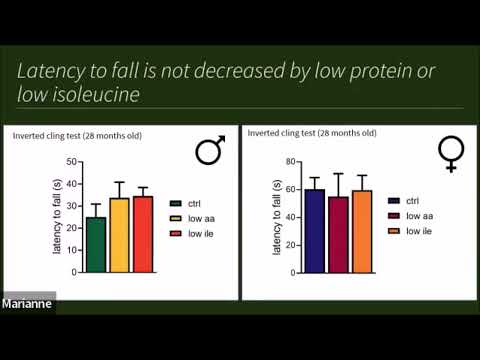
Dr. Cara Green presents research on how restricting isoleucine intake may extend lifespan and improve metabolic health markers, offering new perspectives on amino acid balance and longevity.