Glutamine: The Body's Most Abundant Amino Acid for Gut and Immune Health
Table of Contents
- Overview
- Gut Lining Repair and Intestinal Permeability
- Immune System Fuel
- Muscle Recovery and Prevention of Catabolism
- Nitrogen Transport and Balance
- Brain Fuel and Cognitive Function
- Acid-Base Balance
- Wound Healing and Surgery Recovery
- Leaky Gut Syndrome
- Sugar and Alcohol Cravings
- Deficiency Signs
- Food Sources
- Supplementation Guidelines
- Recommended Daily Intake
- Featured Videos
Overview
Glutamine is the most abundant free amino acid circulating in the bloodstream and stored within skeletal muscle tissue, accounting for roughly 60 percent of the total intramuscular amino acid pool. Classified as a conditionally essential amino acid, glutamine is ordinarily synthesized in sufficient quantities by the body under normal circumstances. However, during periods of physiological stress such as critical illness, major surgery, extensive burns, intense athletic training, or chronic disease, the body's demand for glutamine can dramatically outstrip its ability to produce it. Under these conditions, glutamine becomes truly essential and must be obtained through diet or supplementation.
From a naturopathic perspective, glutamine occupies a central role in maintaining the integrity of two of the body's most important defense systems: the gastrointestinal lining and the immune system. It serves as the primary fuel source for enterocytes (the cells lining the small intestine) and for rapidly dividing immune cells, including lymphocytes and macrophages. Its importance extends well beyond these systems, however, playing critical roles in nitrogen metabolism, acid-base homeostasis, neurotransmitter synthesis, and wound repair.
The human body stores approximately 70 to 80 grams of glutamine at any given time, with the majority residing in skeletal muscle. The lungs, liver, and brain are also significant producers and consumers. Because glutamine participates in so many metabolic pathways simultaneously, even a modest depletion can produce a cascade of functional impairments affecting digestion, immunity, mental clarity, and physical recovery.
Gut Lining Repair and Intestinal Permeability
The intestinal epithelium is one of the most rapidly renewing tissues in the human body, with cells turning over every three to five days. Glutamine is the preferred energy source for these enterocytes, surpassing even glucose in importance for maintaining the structural and functional integrity of the gut barrier. Without adequate glutamine, the tight junctions between intestinal cells begin to weaken, allowing undigested food particles, bacterial endotoxins, and other antigens to pass through the gut wall into the bloodstream.
In naturopathic practice, glutamine supplementation is considered a cornerstone of any gut-healing protocol. Research has demonstrated that glutamine helps preserve the mucosal lining by stimulating the proliferation of intestinal epithelial cells, enhancing the expression of tight junction proteins such as claudins and occludins, and reducing apoptosis (programmed cell death) of gut lining cells. These effects collectively strengthen the intestinal barrier, reduce inflammation, and help restore normal permeability in patients with compromised digestive function.
Clinicians frequently observe that patients taking glutamine report improvements in bloating, food sensitivities, and irregular bowel patterns within two to four weeks of consistent supplementation, particularly when combined with other gut-supportive nutrients such as zinc carnosine, deglycyrrhizinated licorice, and probiotics.
Immune System Fuel
Glutamine serves as the primary metabolic fuel for immune cells, particularly lymphocytes, neutrophils, and macrophages. These cells consume glutamine at rates comparable to or even exceeding their utilization of glucose. During an active immune response, the demand for glutamine increases substantially as immune cells proliferate rapidly to mount an effective defense against pathogens.
When circulating glutamine levels fall, immune function becomes compromised in measurable ways. Studies have shown that glutamine depletion leads to reduced lymphocyte proliferation, impaired phagocytic activity of macrophages, decreased production of cytokines necessary for coordinating immune responses, and diminished secretory IgA production in the gut. This last point is particularly important because secretory IgA is the first line of immune defense along mucosal surfaces.
Athletes undergoing intense training regimens are especially vulnerable to glutamine depletion and the resulting immunosuppression. The phenomenon of increased upper respiratory tract infections following prolonged endurance exercise, sometimes called the "open window" of immune vulnerability, has been closely linked to post-exercise drops in plasma glutamine levels. Naturopathic practitioners often recommend glutamine supplementation during periods of heavy training or high stress to support robust immune surveillance.
Muscle Recovery and Prevention of Catabolism
As the most abundant amino acid in muscle tissue, glutamine plays a vital role in maintaining positive nitrogen balance and preventing the breakdown of lean body mass. During periods of physical stress, illness, or caloric restriction, the body draws heavily on its glutamine reserves stored in skeletal muscle. If demand exceeds supply, the body begins breaking down muscle protein to liberate glutamine for use by the immune system, gut, kidneys, and other organs. This process, known as muscle catabolism, leads to loss of lean tissue, reduced strength, and impaired recovery.
Glutamine supplementation has been shown to attenuate muscle protein breakdown, enhance glycogen resynthesis following exercise, reduce exercise-induced muscle soreness, and support the production of growth hormone. For athletes and physically active individuals, maintaining adequate glutamine status helps ensure that the body can repair and rebuild muscle tissue efficiently after training sessions.
In clinical settings, patients experiencing significant muscle wasting due to prolonged bed rest, cancer cachexia, or chronic illness have shown improved outcomes with glutamine supplementation, including better preservation of lean body mass and enhanced recovery of functional capacity.
Nitrogen Transport and Balance
Glutamine is the principal vehicle for transporting nitrogen between tissues in the human body. It contains two nitrogen atoms per molecule, making it uniquely suited for shuttling nitrogen from peripheral tissues such as skeletal muscle to the liver, kidneys, and gut where it is needed for various biosynthetic processes. This nitrogen is used in the synthesis of nucleotides (the building blocks of DNA and RNA), other amino acids, and numerous nitrogen-containing compounds essential for cellular function.
In the kidneys, glutamine plays a critical role in ammonia production and excretion. The kidneys extract glutamine from the blood and cleave it to produce ammonium ions, which are then excreted in the urine. This process is essential for maintaining the body's acid-base balance and for safely disposing of excess nitrogen from protein metabolism.
From a naturopathic perspective, proper nitrogen balance is foundational to overall health. Negative nitrogen balance, where the body is losing more nitrogen than it takes in, signals active tissue breakdown and is commonly seen in chronic illness, malnutrition, and prolonged stress. Glutamine supplementation is one of the most effective strategies for restoring positive nitrogen balance and supporting anabolic processes throughout the body.
Brain Fuel and Cognitive Function
Glutamine crosses the blood-brain barrier and serves as a crucial precursor for two of the brain's most important neurotransmitters: glutamate (the primary excitatory neurotransmitter) and gamma-aminobutyric acid (GABA) (the primary inhibitory neurotransmitter). The balance between these two neurotransmitters is essential for healthy brain function, influencing everything from concentration and memory to mood regulation and sleep quality.
Within the brain, glutamine participates in what is known as the glutamate-glutamine cycle. After glutamate is released by neurons during synaptic transmission, it is taken up by surrounding astrocytes and converted back to glutamine by the enzyme glutamine synthetase. This glutamine is then shuttled back to neurons, where it is reconverted to glutamate for reuse. This recycling system is essential for preventing excitotoxicity, a condition in which excess glutamate damages and kills neurons.
Patients with low glutamine levels often report symptoms such as brain fog, poor concentration, mental fatigue, and difficulty with memory recall. In naturopathic practice, glutamine supplementation is frequently used as part of a comprehensive approach to supporting cognitive function, particularly in individuals experiencing stress-related mental fatigue or recovery from neurological events. It is also valued for its ability to reduce sugar cravings, which may partly reflect its role as an alternative fuel source for the brain when glucose availability is low.
Acid-Base Balance
The kidneys rely heavily on glutamine to maintain the body's delicate acid-base equilibrium. When the blood becomes too acidic, a condition known as metabolic acidosis, the kidneys increase their extraction and metabolism of glutamine to produce ammonium ions and bicarbonate. The ammonium is excreted in the urine, effectively removing excess acid from the body, while the bicarbonate is returned to the bloodstream to buffer acidic conditions.
This renal glutamine metabolism can increase dramatically during states of acidosis, potentially consuming up to 30 percent of circulating glutamine. Chronic low-grade metabolic acidosis, which is increasingly common in individuals consuming highly processed diets rich in animal protein and low in fruits and vegetables, places a sustained demand on glutamine reserves and may contribute to muscle wasting, bone loss, and kidney stress over time.
Naturopathic practitioners recognize that supporting the body's acid-base balance through both dietary modification and targeted supplementation, including glutamine, can reduce the metabolic burden on the kidneys and preserve lean tissue. Alkalinizing dietary patterns rich in plant-based foods naturally support glutamine status while simultaneously reducing the acid load that drives excessive glutamine consumption.
Wound Healing and Surgery Recovery
Glutamine demand increases significantly following surgery, trauma, or any condition involving tissue damage. Wound healing is an energy-intensive process that requires rapid cell proliferation, collagen synthesis, and robust immune activity at the wound site. Glutamine fuels all of these processes and is particularly important for the fibroblasts responsible for producing new connective tissue and the immune cells that prevent wound infection.
Clinical studies have demonstrated that glutamine supplementation in surgical and critically ill patients is associated with reduced hospital length of stay, fewer infectious complications, improved nitrogen balance, and faster wound closure. In burn patients, where glutamine depletion can be severe and prolonged, supplementation has been shown to improve survival rates and reduce the incidence of bacteremia.
In naturopathic pre-surgical protocols, glutamine is often included alongside vitamin C, zinc, and vitamin A to optimize the body's capacity for tissue repair. Beginning supplementation one to two weeks before elective surgery and continuing for several weeks afterward can meaningfully improve recovery outcomes and reduce the risk of post-operative complications.
Leaky Gut Syndrome
Leaky gut syndrome, known clinically as increased intestinal permeability, occurs when the tight junctions between intestinal epithelial cells become compromised, allowing substances that should remain within the intestinal lumen to cross into the bloodstream. This condition has been associated with a wide range of health issues, including food allergies and sensitivities, autoimmune conditions, systemic inflammation, skin disorders, mood disturbances, and chronic fatigue.
Common contributors to leaky gut include chronic stress, non-steroidal anti-inflammatory drug (NSAID) use, excessive alcohol consumption, dysbiosis (imbalanced gut flora), gluten sensitivity, and diets high in processed foods and refined sugars. All of these factors damage the intestinal epithelium and deplete glutamine reserves simultaneously, creating a vicious cycle of increasing permeability and diminishing repair capacity.
Glutamine is widely regarded as the single most important nutrient for addressing leaky gut syndrome. By directly nourishing the enterocytes, promoting tight junction protein expression, and reducing intestinal inflammation, glutamine helps restore the barrier function of the gut wall. In naturopathic practice, glutamine forms the foundation of most leaky gut protocols and is typically combined with bone broth, collagen peptides, probiotics, and anti-inflammatory botanicals such as turmeric and aloe vera for comprehensive gut restoration.
Sugar and Alcohol Cravings
One of the lesser-known but clinically valuable applications of glutamine is its ability to reduce cravings for sugar and alcohol. Glutamine can be readily converted to glucose in the body through a process called gluconeogenesis, providing an alternative energy source for the brain and other tissues when blood sugar levels drop. By stabilizing blood sugar and providing direct fuel to brain cells, glutamine supplementation can diminish the urgency of sugar cravings that often drive poor dietary choices.
The relationship between glutamine and alcohol cravings was first explored in the 1950s by researcher Roger Williams, who observed that glutamine supplementation reduced voluntary alcohol consumption in animal studies. Subsequent clinical observations have supported this finding, with many practitioners reporting that patients in recovery from alcohol dependence experience reduced cravings and improved mood stability when taking glutamine.
In naturopathic practice, a common recommendation for acute sugar cravings is to dissolve 1 to 2 grams of L-glutamine powder directly under the tongue when a craving strikes. The sublingual absorption allows the glutamine to reach the brain quickly, often diminishing the craving within minutes. This simple technique can be a powerful tool for individuals working to break free from sugar addiction or reduce alcohol consumption as part of a broader wellness plan.
Deficiency Signs
Because the body can normally produce glutamine, outright deficiency is uncommon in healthy individuals consuming adequate protein. However, conditional deficiency is extremely common and often overlooked. The following signs and symptoms may indicate that the body's glutamine demand is exceeding its supply:
- Digestive disturbances including bloating, gas, constipation, diarrhea, and food sensitivities
- Frequent infections such as recurring colds, flu, or urinary tract infections
- Slow wound healing or delayed recovery from injury or surgery
- Muscle wasting or difficulty building lean mass despite adequate exercise and protein intake
- Sugar and alcohol cravings that are persistent and difficult to control
- Brain fog, poor concentration, and mental fatigue
- Anxiety, irritability, or mood instability
- Chronic fatigue and low physical endurance
- Thinning hair, brittle nails, or poor skin quality
Individuals at greatest risk for glutamine depletion include those under chronic psychological or physical stress, endurance athletes, patients with inflammatory bowel disease or irritable bowel syndrome, individuals recovering from surgery or illness, people on restrictive diets with inadequate protein intake, and those with chronic infections or autoimmune conditions.
Food Sources
Glutamine is found in both animal and plant-based foods, with the highest concentrations occurring in protein-rich sources. It is important to note that cooking and processing can degrade glutamine content, so incorporating some raw or minimally processed sources is advantageous.
Animal Sources
- Bone broth is one of the richest and most bioavailable sources, providing glutamine along with collagen, glycine, and other gut-healing compounds
- Grass-fed beef contains approximately 1.2 grams of glutamine per 100 grams
- Free-range chicken and turkey provide generous amounts of glutamine alongside other essential amino acids
- Wild-caught fish such as salmon, cod, and tuna are excellent sources
- Eggs contain moderate glutamine levels and are one of the most complete protein sources available
- Dairy products including yogurt, cottage cheese, and ricotta offer glutamine along with beneficial probiotics (in fermented varieties)
Plant Sources
- Red cabbage is one of the richest plant sources of glutamine and can be consumed raw in salads or fermented as sauerkraut
- Spinach and dark leafy greens provide moderate amounts of glutamine along with a wealth of other micronutrients
- Legumes including lentils, chickpeas, and kidney beans are good plant-based sources
- Beets supply glutamine along with betaine and nitrates that support liver and cardiovascular health
- Parsley and asparagus are notable vegetable sources
- Tofu and fermented soy products such as miso and tempeh provide glutamine in a highly digestible form
- Nuts including almonds, walnuts, and hazelnuts offer modest glutamine content along with healthy fats
Supplementation Guidelines
L-glutamine is available in both powder and capsule form. Powder is generally preferred by naturopathic practitioners because it allows for more flexible dosing and is more economical at higher doses. The powder is virtually tasteless and dissolves easily in water or other beverages.
General Recommendations
- Form: L-glutamine (the biologically active form) as a free-form amino acid powder or capsule
- Timing: Best taken on an empty stomach, typically first thing in the morning, between meals, or before bed
- Duration: For gut healing protocols, a minimum of 8 to 12 weeks of consistent use is generally recommended
- Combination: Pairs well with zinc carnosine, N-acetyl glucosamine, deglycyrrhizinated licorice, and probiotics for comprehensive gut support
Typical Dosing Ranges
- General maintenance: 2 to 5 grams daily
- Gut healing and leaky gut protocols: 5 to 15 grams daily, often divided into two or three doses
- Athletic recovery and muscle preservation: 5 to 10 grams daily, with a portion taken immediately after training
- Immune support during illness or high stress: 10 to 20 grams daily in divided doses
- Pre- and post-surgical support: 10 to 30 grams daily, as directed by a healthcare provider
- Sugar craving management: 1 to 2 grams dissolved under the tongue as needed
Precautions
Glutamine is generally considered very safe and well-tolerated, even at higher doses. However, certain populations should exercise caution or consult a qualified healthcare practitioner before supplementing:
- Individuals with liver disease or hepatic encephalopathy should avoid glutamine supplementation, as impaired ammonia processing could lead to dangerous accumulation
- Those with a history of seizure disorders should use glutamine cautiously due to its conversion to the excitatory neurotransmitter glutamate
- Cancer patients should consult their oncology team, as some rapidly dividing tumor cells may also utilize glutamine as a fuel source
- Individuals with kidney disease should seek guidance from their healthcare provider regarding appropriate dosing
Recommended Daily Intake
There is no official Recommended Dietary Allowance (RDA) established for glutamine by major regulatory bodies, as it is classified as a non-essential amino acid under normal physiological conditions. However, research and clinical experience provide useful guidance for optimal intake levels.
The typical Western diet provides approximately 3 to 6 grams of glutamine daily from food sources alone. For individuals in good health without significant stressors, this dietary intake is generally sufficient to meet the body's baseline needs. However, individuals facing increased physiological demands may benefit from supplemental glutamine in the ranges outlined above.
Key factors that increase daily glutamine requirements include:
- Physical stress from intense exercise, manual labor, or athletic competition
- Psychological stress including chronic anxiety, depression, or high-pressure work environments
- Illness or infection which dramatically increases immune cell glutamine consumption
- Surgery, burns, or trauma requiring accelerated tissue repair
- Gastrointestinal disorders such as inflammatory bowel disease, irritable bowel syndrome, or celiac disease
- Aging as the body's capacity to synthesize glutamine may decline with advancing years
- Restrictive diets particularly low-protein or vegan diets without careful planning
When beginning glutamine supplementation, it is advisable to start at the lower end of the dosing range and gradually increase over one to two weeks. This approach allows the body to adjust and helps identify the optimal dose for individual needs. Working with a qualified naturopathic physician or integrative healthcare provider can help determine the most appropriate dose and duration based on individual health goals and underlying conditions.
Featured Videos
Explores the wide-ranging benefits of L-glutamine, from gut repair and immune support to muscle recovery and mental clarity.

Explains how L-glutamine helps heal gut inflammation by nourishing intestinal lining cells and restoring barrier integrity.

Discusses the lesser-known connection between glutamine supplementation and improved bone density and skeletal health.
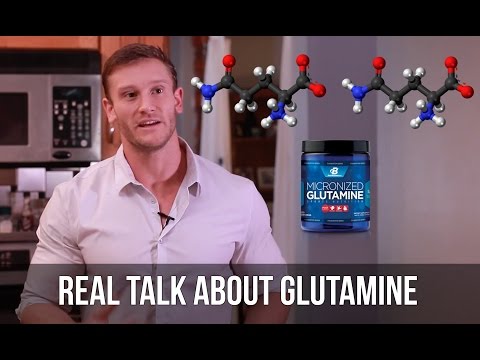
Thomas DeLauer breaks down glutamine's role in muscle recovery, immune function, and overall health optimization.
Covers what you need to know about using L-glutamine specifically for gut health, including dosing and practical tips.

Dr. Berg explains why glutamine is helpful for the body, focusing on its role in gut lining repair and immune support.

Uncovers the surprising benefits of glutamine for muscle recovery, including how it reduces soreness and prevents catabolism.
Highlights essential glutamine benefits you need to know, from digestive health and immunity to athletic performance.

Explains why L-glutamine is a key supplement for gut health, covering how it strengthens the intestinal barrier.

Explains glutamine's dual benefits for gut health and brain function, including its role in neurotransmitter production.

Examines the truth about L-glutamine supplements for gut health, separating evidence-based benefits from marketing claims.