Cysteine: The Sulfur Amino Acid for Detoxification and Antioxidant Defense
Table of Contents
- Overview
- Glutathione Synthesis (Master Antioxidant)
- Detoxification and Heavy Metal Chelation
- Respiratory Health and Mucus
- Skin, Hair, and Nail Health (Keratin)
- Liver Protection
- Immune System Enhancement
- Wound Healing
- N-Acetyl Cysteine (NAC) Supplementation
- Cardiovascular Support
- Deficiency Signs
- Food Sources
- Supplementation Guidelines
- Recommended Daily Intake
- Featured Videos
Overview
Cysteine is a sulfur-containing, conditionally essential amino acid that plays a central role in human health. While the body can synthesize cysteine from the essential amino acid methionine through a process called transsulfuration, this capacity may be insufficient during periods of illness, chronic stress, intense physical exertion, or in individuals with compromised liver function. Under these circumstances, dietary or supplemental cysteine becomes truly essential for maintaining optimal physiological function.
What distinguishes cysteine from most other amino acids is the presence of a thiol (sulfhydryl) group, a highly reactive sulfur-hydrogen bond that gives cysteine its extraordinary biochemical versatility. This thiol group enables cysteine to participate in redox reactions, form disulfide bonds that stabilize protein structures, chelate toxic heavy metals, and serve as the rate-limiting precursor for glutathione, the body's most important intracellular antioxidant.
From a naturopathic perspective, cysteine represents one of the foundational building blocks of the body's detoxification and defense systems. Its involvement in glutathione production alone makes it indispensable, but its contributions extend far beyond antioxidant defense into immune modulation, respiratory support, tissue repair, and cardiovascular health. Understanding cysteine's multifaceted roles allows practitioners and patients to leverage this amino acid as a powerful therapeutic tool in both preventive and clinical care.
Cysteine exists in two primary forms in the body: as free L-cysteine and as cystine, the oxidized dimer formed when two cysteine molecules link via a disulfide bond. Both forms are nutritionally active, and the body readily interconverts them depending on the redox environment of the tissue. This dynamic equilibrium is itself an important regulatory mechanism in cellular health.
Glutathione Synthesis (Master Antioxidant)
Perhaps the most critical function of cysteine in human physiology is its role as the rate-limiting precursor for glutathione (GSH) synthesis. Glutathione is a tripeptide composed of three amino acids: glutamate, cysteine, and glycine. While all three are required, cysteine availability is almost always the bottleneck that determines how much glutathione the body can produce at any given time.
Glutathione is often referred to as the master antioxidant because it operates in virtually every cell of the body, neutralizing free radicals, regenerating other antioxidants such as vitamins C and E, and maintaining the redox balance that is essential for proper cellular signaling. The glutathione system is particularly concentrated in the liver, where it serves as the primary defense against oxidative damage from metabolic processes, environmental toxins, and pharmaceutical drugs.
The synthesis of glutathione occurs in two enzymatic steps. First, the enzyme glutamate-cysteine ligase joins glutamate and cysteine to form gamma-glutamylcysteine. Second, glutathione synthetase adds glycine to complete the tripeptide. Because cysteine is the least abundant of the three precursor amino acids in most diets, ensuring adequate cysteine intake directly translates to improved glutathione status.
Research has consistently demonstrated that glutathione levels decline with age, chronic disease, and toxic exposure. Low glutathione levels are associated with increased susceptibility to oxidative stress, accelerated aging, neurodegenerative conditions, and impaired detoxification capacity. By supporting cysteine intake through diet and targeted supplementation, naturopathic practitioners can help patients maintain robust glutathione reserves throughout the lifespan.
Detoxification and Heavy Metal Chelation
The sulfur-containing thiol group of cysteine gives it a natural affinity for binding heavy metals and other toxic substances. This chelation ability makes cysteine and its derivatives critical components of the body's detoxification pathways. Mercury, lead, cadmium, and arsenic all bind readily to the sulfhydryl groups on cysteine and cysteine-rich proteins such as metallothionein, facilitating their transport and excretion from the body.
Metallothionein, a small protein extraordinarily rich in cysteine residues, is one of the body's primary metal-binding proteins. Its synthesis is dependent on adequate cysteine availability, and it plays a vital role in sequestering and detoxifying heavy metals in the liver, kidneys, and intestinal lining. Individuals with chronic heavy metal exposure benefit significantly from optimizing their cysteine and overall sulfur amino acid intake.
Beyond direct chelation, cysteine supports Phase II liver detoxification through its contribution to glutathione conjugation. In this pathway, glutathione-S-transferase enzymes attach glutathione molecules to lipophilic toxins, drugs, and metabolic waste products, making them water-soluble and available for excretion through bile or urine. Without adequate cysteine to fuel glutathione production, Phase II detoxification slows dramatically, allowing toxic intermediates to accumulate and cause cellular damage.
Sulfation is another Phase II detoxification pathway that depends on sulfur amino acids. Cysteine can be metabolized to inorganic sulfate, which the body uses to conjugate and eliminate hormones, neurotransmitters, drugs, and environmental chemicals. For patients undergoing detoxification protocols, ensuring robust cysteine status is a foundational step that should not be overlooked.
Respiratory Health and Mucus
Cysteine and its derivative N-acetyl cysteine (NAC) have a well-established role in supporting respiratory health. The thiol group of cysteine is capable of breaking disulfide bonds in the glycoprotein matrix of mucus, effectively reducing its viscosity and making it easier to clear from the airways. This mucolytic action has made NAC a standard treatment in conventional and integrative medicine for conditions involving excessive or thickened mucus.
Chronic obstructive pulmonary disease (COPD), chronic bronchitis, cystic fibrosis, and acute respiratory infections all involve impaired mucus clearance that can lead to airway obstruction, bacterial colonization, and progressive lung damage. Clinical studies have shown that NAC supplementation reduces the frequency and severity of COPD exacerbations, improves lung function parameters, and decreases the need for antibiotic therapy in patients with chronic bronchitis.
Beyond its mucolytic properties, cysteine supports respiratory health through its antioxidant and anti-inflammatory effects. The lungs are continuously exposed to oxidative stress from inhaled pollutants, cigarette smoke, and the high oxygen tension of alveolar air. Glutathione in the lung epithelial lining fluid serves as the first line of antioxidant defense, and its concentration is directly dependent on cysteine availability. Patients with asthma, allergies, and environmental sensitivities often benefit from cysteine supplementation as part of a comprehensive respiratory support protocol.
Skin, Hair, and Nail Health (Keratin)
Cysteine is a major structural component of keratin, the fibrous protein that forms the primary building material of hair, skin, and nails. Keratin contains an exceptionally high proportion of cysteine residues, which form extensive disulfide cross-links that give these tissues their characteristic strength, resilience, and flexibility. Approximately 14 to 18 percent of hair protein by weight consists of cysteine.
The disulfide bonds formed between cysteine residues in keratin are responsible for the structural integrity of hair fibers. When these bonds are broken, as occurs with chemical treatments or nutritional deficiency, hair becomes brittle, fragile, and prone to breakage. Similarly, nails that are soft, splitting, or slow-growing may indicate insufficient cysteine or overall sulfur amino acid intake.
Collagen, the most abundant protein in skin and connective tissue, also benefits from adequate cysteine status. While collagen itself contains relatively little cysteine, the enzymes involved in collagen synthesis and cross-linking require proper antioxidant protection, which glutathione provides. Furthermore, cysteine supports the production of taurine and sulfate, both of which contribute to skin hydration, elasticity, and barrier function.
From a naturopathic standpoint, patients presenting with hair loss, thinning hair, brittle nails, or slow wound healing should be evaluated for cysteine and methionine adequacy alongside the more commonly assessed nutrients such as iron, zinc, and biotin. A comprehensive approach to integumentary health always considers the sulfur amino acid status of the patient.
Liver Protection
The liver is the organ most dependent on adequate cysteine supply, as it is the primary site of both glutathione synthesis and xenobiotic detoxification. Hepatocytes maintain the highest intracellular glutathione concentrations of any cell type in the body, and this glutathione reserve is essential for protecting liver cells from the oxidative stress generated during Phase I cytochrome P450 metabolism.
One of the most dramatic demonstrations of cysteine's hepatoprotective role is in the treatment of acetaminophen (paracetamol) overdose. Acetaminophen toxicity occurs when the drug overwhelms the liver's glutathione reserves, allowing a toxic metabolite called NAPQI to accumulate and destroy hepatocytes. Intravenous NAC is the standard-of-care antidote precisely because it replenishes cysteine and restores glutathione levels before irreversible liver damage occurs.
Beyond acute toxicity, chronic liver conditions including non-alcoholic fatty liver disease (NAFLD), alcoholic liver disease, viral hepatitis, and drug-induced liver injury all involve depletion of hepatic glutathione. Naturopathic protocols for liver support routinely incorporate cysteine-providing supplements such as NAC, whey protein, or sulfur-rich foods to help maintain the liver's detoxification capacity and protect against ongoing oxidative damage.
Cysteine also supports bile production and flow, which is essential for fat digestion, cholesterol elimination, and the excretion of conjugated toxins. Patients with sluggish bile flow or a history of gallbladder dysfunction may benefit from enhanced sulfur amino acid intake as part of a broader hepatobiliary support strategy.
Immune System Enhancement
Cysteine and glutathione play fundamental roles in immune system regulation. Lymphocytes, the white blood cells responsible for adaptive immunity, are particularly sensitive to intracellular glutathione levels. Research has shown that T-cell activation, proliferation, and cytokine production all depend on adequate glutathione, and that cysteine supplementation can enhance immune responses in immunocompromised individuals.
Natural killer (NK) cells, which provide innate immune surveillance against virally infected cells and cancer cells, also require optimal glutathione status for their cytotoxic activity. Studies in elderly populations have demonstrated that NAC supplementation can improve NK cell function and reduce the incidence and severity of influenza infections.
The relationship between cysteine, glutathione, and immune function is especially relevant in the context of chronic viral infections such as HIV, where glutathione depletion is a hallmark of disease progression. Clinical research has shown that cysteine supplementation in HIV-positive individuals can slow the decline of CD4+ T cells and improve overall immune parameters. Similar principles apply to patients with chronic fatigue syndrome, autoimmune conditions, and recurrent infections where oxidative stress and glutathione depletion are contributing factors.
Cysteine also modulates the inflammatory response through its influence on the NF-kB signaling pathway. Glutathione acts as an endogenous inhibitor of NF-kB activation, helping to prevent the excessive inflammatory signaling that underlies many chronic diseases. By maintaining adequate cysteine and glutathione levels, the body can mount effective immune responses while avoiding the tissue damage associated with unchecked inflammation.
Wound Healing
The wound healing process is a complex cascade of inflammation, cell proliferation, extracellular matrix deposition, and tissue remodeling that places significant demands on the body's amino acid reserves. Cysteine contributes to wound healing through multiple mechanisms, including antioxidant protection of regenerating tissues, collagen and structural protein synthesis, and immune support at the wound site.
During the inflammatory phase of wound healing, immune cells migrate to the injury site and generate large quantities of reactive oxygen species to combat potential infection. While this oxidative burst is necessary for microbial killing, it must be carefully controlled to prevent damage to surrounding healthy tissue. Glutathione serves as a critical buffer during this phase, neutralizing excess free radicals and protecting the delicate new cells that will eventually close the wound.
As healing progresses into the proliferative phase, fibroblasts synthesize collagen and other extracellular matrix proteins that form the structural scaffold of the healing tissue. Cysteine provides the sulfur necessary for cross-linking these structural proteins and contributes to the formation of glycosaminoglycans, which maintain tissue hydration and facilitate cell migration. Adequate cysteine intake has been shown to accelerate wound closure and improve the tensile strength of healed tissue.
Patients recovering from surgery, trauma, burns, or chronic wounds such as diabetic ulcers should be assessed for sulfur amino acid adequacy. Naturopathic wound care protocols that include cysteine or NAC supplementation alongside vitamins A, C, and zinc can significantly improve healing outcomes and reduce the risk of complications.
N-Acetyl Cysteine (NAC) Supplementation
N-acetyl cysteine (NAC) is the most widely used and studied supplemental form of cysteine. By attaching an acetyl group to the amino group of cysteine, NAC gains improved stability, better oral bioavailability, and enhanced ability to cross cell membranes compared to free L-cysteine. Once inside cells, NAC is readily deacetylated to release free cysteine, which then becomes available for glutathione synthesis and other metabolic functions.
NAC has been used clinically for decades, initially as a mucolytic agent for respiratory conditions and as the antidote for acetaminophen poisoning. Over time, its therapeutic applications have expanded enormously based on accumulating research evidence. Current clinical and integrative medicine applications of NAC include:
- Psychiatric and neurological conditions: NAC has shown promise in clinical trials for obsessive-compulsive disorder, bipolar disorder, schizophrenia, addiction, and trichotillomania, likely through modulation of glutamate signaling and reduction of oxidative stress in the brain.
- Polycystic ovary syndrome (PCOS): NAC has been shown to improve insulin sensitivity, reduce androgen levels, and enhance ovulation in women with PCOS, performing comparably to metformin in some studies.
- Male fertility: NAC supplementation can improve sperm quality parameters including count, motility, and morphology by reducing oxidative damage to sperm cells.
- Chronic kidney disease: NAC's antioxidant and anti-inflammatory properties may help slow the progression of kidney disease and protect against contrast-induced nephropathy during imaging procedures.
- Biofilm disruption: NAC has demonstrated the ability to break down bacterial biofilms, making it a useful adjunct in the treatment of chronic infections including Helicobacter pylori and recurrent urinary tract infections.
The typical therapeutic dose of NAC ranges from 600 to 1,800 milligrams per day, divided into two or three doses. It is best taken on an empty stomach for optimal absorption, and many practitioners recommend concurrent supplementation with vitamin C and a B-complex vitamin to support the metabolic pathways in which cysteine participates.
Cardiovascular Support
Cysteine and its metabolites contribute to cardiovascular health through several interconnected mechanisms. Glutathione protects the vascular endothelium from oxidative damage, helping to preserve the normal function of blood vessel linings and prevent the initiation of atherosclerosis. Oxidized LDL cholesterol, a key driver of plaque formation, is produced when LDL particles are attacked by free radicals in the absence of adequate antioxidant defense. Maintaining robust glutathione levels through adequate cysteine intake helps to prevent this damaging oxidation.
Cysteine is also a precursor to hydrogen sulfide (H2S), a gaseous signaling molecule that has emerged as an important regulator of cardiovascular function. Hydrogen sulfide promotes vasodilation, reduces blood pressure, inhibits smooth muscle proliferation in blood vessel walls, and exerts anti-inflammatory effects throughout the cardiovascular system. The enzyme cystathionine gamma-lyase produces hydrogen sulfide from cysteine in vascular tissue, and this pathway represents a significant link between sulfur amino acid metabolism and heart health.
Homocysteine, a potentially toxic intermediate in methionine metabolism, is metabolized through the transsulfuration pathway to produce cysteine. When this pathway functions efficiently, homocysteine is converted to cysteine and then to glutathione and taurine, effectively transforming a cardiovascular risk factor into protective molecules. Adequate B6, B12, and folate levels are required for this conversion, highlighting the importance of a comprehensive nutritional approach to cardiovascular health that addresses both sulfur amino acids and their cofactors.
Taurine, synthesized from cysteine, is another amino acid with significant cardiovascular benefits. It helps to regulate blood pressure, stabilize heart rhythm, reduce inflammation, and protect the heart muscle from oxidative damage. By ensuring adequate cysteine intake, the body can maintain healthy taurine production and its associated cardiovascular benefits.
Deficiency Signs
Because cysteine can be synthesized from methionine in the liver, true deficiency is uncommon in individuals consuming adequate protein. However, functional insufficiency is far more prevalent than outright deficiency, particularly in populations with increased demand or impaired synthesis. The following signs and symptoms may indicate suboptimal cysteine or overall sulfur amino acid status:
- Slow or impaired wound healing and increased susceptibility to infections
- Brittle, splitting nails and slow nail growth
- Thinning, dull, or fragile hair with increased breakage or loss
- Increased chemical sensitivity and poor tolerance of medications, perfumes, or environmental chemicals
- Chronic fatigue and reduced exercise tolerance
- Frequent respiratory infections or persistent thick mucus
- Skin conditions including eczema, dermatitis, and poor skin elasticity
- Impaired liver function or elevated liver enzymes without clear cause
- Muscle wasting or poor recovery after physical activity
- Edema and poor fluid regulation in tissues
Populations at particular risk for cysteine insufficiency include elderly individuals with reduced protein intake or impaired methionine metabolism, vegans and vegetarians who may consume lower overall sulfur amino acids, individuals with chronic liver disease that impairs the transsulfuration pathway, and patients with chronic illnesses that increase oxidative stress and glutathione demand. Children, pregnant women, and individuals recovering from surgery or trauma also have increased requirements.
Food Sources
Cysteine is found in a wide variety of protein-rich foods, with the highest concentrations occurring in animal-based sources. However, plant foods can also provide meaningful amounts, particularly when consumed as part of a varied, whole-foods diet. The following are among the richest dietary sources of cysteine:
Animal Sources
- Poultry: Chicken and turkey breast are among the richest sources, providing approximately 250 to 300 milligrams of cysteine per 100-gram serving
- Eggs: Whole eggs are an excellent source, with the cysteine content distributed between the white and yolk
- Pork: Lean pork cuts provide substantial amounts of cysteine along with other sulfur amino acids
- Beef and lamb: Red meats are reliable sources of cysteine and methionine
- Fish: Salmon, tuna, and other fish provide cysteine alongside beneficial omega-3 fatty acids
- Whey protein: Undenatured whey protein is one of the most efficient ways to boost cysteine intake and has been shown to significantly increase glutathione levels
- Dairy: Yogurt, cottage cheese, and ricotta cheese contain moderate amounts of cysteine
Plant Sources
- Allium vegetables: Garlic, onions, leeks, and shallots are rich in sulfur compounds including cysteine and its derivatives
- Cruciferous vegetables: Broccoli, Brussels sprouts, kale, cauliflower, and cabbage contain cysteine and support sulfur metabolism broadly
- Legumes: Lentils, chickpeas, and soybeans provide plant-based cysteine
- Nuts and seeds: Sunflower seeds, walnuts, and Brazil nuts contain moderate amounts
- Whole grains: Oats, wheat germ, and quinoa contribute to overall sulfur amino acid intake
- Spirulina: This blue-green algae is exceptionally rich in cysteine on a per-weight basis
It is worth noting that cooking methods can affect cysteine availability. Excessive heat can destroy the thiol group and reduce the bioavailability of cysteine in foods. Gentle cooking methods such as steaming, poaching, or light sauteing help to preserve the amino acid content of foods better than prolonged high-heat methods such as grilling or deep frying.
Supplementation Guidelines
When dietary intake is insufficient or therapeutic doses are desired, supplementation with NAC is generally preferred over free L-cysteine due to its superior stability and bioavailability. The following guidelines can help practitioners and patients use cysteine supplementation safely and effectively:
- Form: N-acetyl cysteine (NAC) is the most studied and widely available supplemental form. It is available in capsules, tablets, and powder. L-cysteine supplements are also available but are less stable and may cause gastrointestinal irritation at higher doses.
- Timing: NAC is best absorbed when taken on an empty stomach, ideally 30 minutes before or two hours after meals. If gastrointestinal discomfort occurs, it may be taken with a small amount of food.
- Synergistic nutrients: Vitamin C (500 to 1,000 milligrams) enhances NAC's antioxidant activity and helps maintain cysteine in its reduced, active form. Selenium is required for glutathione peroxidase function and complements NAC supplementation. B vitamins, particularly B6, B12, and folate, support the transsulfuration pathway and homocysteine metabolism.
- Duration: NAC can generally be taken safely for extended periods. For acute conditions, a course of four to twelve weeks is typical. For chronic support, ongoing use under practitioner guidance is common.
- Precautions: NAC may interact with nitroglycerin and some blood-thinning medications. Individuals with cystinuria, a genetic condition causing excess cystine excretion, should avoid supplementation. Those with active stomach ulcers should use caution, as NAC may increase gastric acid secretion. Asthma patients should be aware that inhaled NAC may occasionally trigger bronchospasm.
Undenatured whey protein represents another excellent strategy for boosting cysteine intake without using isolated amino acid supplements. Whey provides cysteine in the form of bioavailable peptides and has been demonstrated in clinical studies to raise intracellular glutathione levels more effectively than equivalent amounts of free cysteine.
Recommended Daily Intake
The combined dietary requirement for methionine and cysteine (total sulfur amino acids) for adults is estimated at approximately 19 milligrams per kilogram of body weight per day according to the World Health Organization. For a 70-kilogram adult, this translates to roughly 1,330 milligrams of total sulfur amino acids daily. Because methionine and cysteine can partially substitute for each other metabolically, specific requirements for cysteine alone are not separately defined by most regulatory bodies.
Therapeutic dosing of NAC typically follows these ranges based on clinical evidence and practitioner experience:
- General antioxidant and wellness support: 600 milligrams per day
- Respiratory health and mucolytic support: 600 to 1,200 milligrams per day
- Liver protection and detoxification support: 1,200 to 1,800 milligrams per day
- Psychiatric and neurological applications: 1,200 to 2,400 milligrams per day (under professional guidance)
- Acute acetaminophen toxicity: Intravenous dosing under emergency medical care (not appropriate for self-treatment)
Individual requirements can vary significantly based on age, body weight, health status, toxic exposures, genetic polymorphisms affecting sulfur metabolism, and concurrent medication use. Working with a qualified naturopathic physician or integrative medicine practitioner is recommended to determine the most appropriate dose and form of cysteine supplementation for individual needs. Regular monitoring of liver function, kidney function, and relevant clinical markers helps ensure that supplementation remains safe and effective over time.
Cysteine stands as one of the most therapeutically versatile amino acids available to the naturopathic practitioner. Its central role in glutathione production, detoxification, immune defense, structural protein formation, and cardiovascular protection makes it a foundational nutrient for supporting whole-body health. Whether obtained through a nutrient-dense diet rich in sulfur-containing foods or through targeted NAC supplementation, maintaining optimal cysteine status is a cornerstone of preventive and therapeutic natural medicine.
Featured Videos
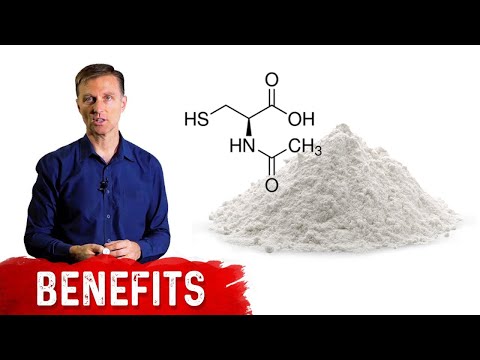
Explores what NAC (N-Acetyl-L-Cysteine) is, how it works as a precursor to glutathione, and its key health benefits for detoxification and antioxidant support.

Examines the potential risks and side effects of N-Acetyl Cysteine supplementation, including drug interactions and situations where caution is warranted.

Reviews the wide-ranging benefits of N-Acetyl L-Cysteine, including its role in liver protection, respiratory health, and boosting the body's glutathione levels.

Explains why supplementing with L-Cysteine may be more effective than taking glutathione directly, covering bioavailability and how the body synthesizes its own glutathione.

Discusses the powerful health applications of N-Acetylcysteine, from immune support and detoxification to mental health and chronic disease prevention.

Covers the top benefits of NAC supplementation, including its antioxidant properties, lung health support, and role in reducing inflammation and oxidative stress.

Highlights three compelling reasons to use NAC for managing PCOS symptoms, including improved insulin sensitivity, hormonal balance, and fertility support.

Warns about specific medications that should not be combined with NAC supplementation, covering important drug interactions and safety precautions.

Provides a comprehensive overview of N-Acetyl Cysteine benefits, from liver detoxification and respiratory support to immune enhancement and brain health.
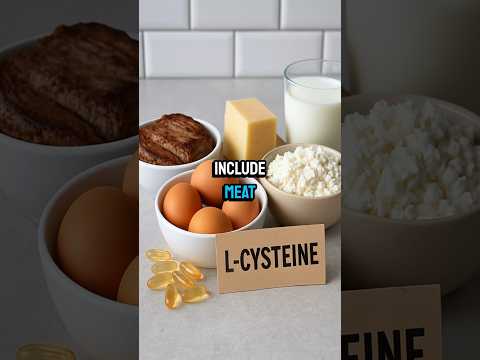
Focuses on L-Cysteine's critical role in hair health, explaining how this amino acid supports keratin production, strengthens hair structure, and promotes growth.

Explores the remarkable health benefits of NAC, including its power to boost glutathione production, support detoxification, and protect against oxidative damage.