Asparagine: The Amino Acid for Nervous System Health and Protein Synthesis
Table of Contents
- Overview
- Nervous System Development and Function
- Ammonia Detoxification
- Protein Synthesis and Modification
- Brain Health and Cognitive Function
- Energy Metabolism
- Immune Cell Function
- Liver Health
- Cell Signaling
- Deficiency Signs
- Food Sources
- Supplementation Guidelines
- Recommended Daily Intake
- Featured Videos
Overview
Asparagine is a non-essential amino acid that was the first amino acid ever isolated, discovered in 1806 from asparagus juice by French chemists Louis-Nicolas Vauquelin and Pierre Jean Robiquet. Despite being classified as non-essential because the body can synthesize it from oxaloacetate and glutamine via the enzyme asparagine synthetase, this designation does not diminish its profound importance to human health. From a naturopathic perspective, asparagine is a foundational molecule that supports the nervous system, aids detoxification pathways, and contributes to the structural integrity of countless proteins throughout the body.
Asparagine carries the abbreviation Asn and the single-letter code N. Its chemical structure features a carboxamide side chain, which gives it unique properties among the amino acids. This amide group enables asparagine to form hydrogen bonds with the peptide backbone and with other amino acid residues, making it a critical architectural component in protein folding. In naturopathic medicine, we recognize that the body's ability to produce asparagine depends on the availability of co-factors such as magnesium, manganese, and adequate levels of glutamine, reminding us that nutrient status is always interconnected.
Asparagine plays essential roles in the biosynthesis of glycoproteins, which are proteins that have sugar molecules attached to them. These glycoproteins are involved in cell recognition, immune defense, and hormonal signaling. Additionally, asparagine serves as a nitrogen shuttle in the body, helping to transport ammonia safely from peripheral tissues to the liver for detoxification. This function is particularly meaningful in holistic health, where supporting the body's innate detoxification capacity is a core therapeutic principle.
Nervous System Development and Function
Asparagine is present in high concentrations within the brain and is considered vital for proper nervous system development and ongoing neurological function. During fetal development and early childhood, asparagine supports the proliferation and differentiation of neurons, contributing to the formation of neural circuits that underlie cognition, movement, and sensory processing. Research has shown that genetic mutations affecting asparagine synthetase can lead to severe congenital microcephaly and intellectual disability, underscoring the amino acid's critical role in brain development.
Within the mature nervous system, asparagine contributes to the synthesis of neurotransmitters and neuropeptides. It participates in maintaining the balance of excitatory and inhibitory signals across synapses. From a naturopathic standpoint, ensuring adequate asparagine availability is part of supporting the body's neurological resilience. Chronic stress, poor nutrition, and environmental toxin exposure can all tax the pathways that produce asparagine, potentially contributing to neurological fatigue and diminished nerve conduction efficiency.
Asparagine also supports the health of the myelin sheath, the protective coating around nerve fibers that enables rapid signal transmission. The glycoproteins that depend on asparagine for their proper folding and function are integral components of myelin. Practitioners of integrative medicine often note that patients with chronic fatigue, peripheral neuropathy, or cognitive decline benefit from nutritional strategies that ensure optimal amino acid status, including asparagine availability through a whole-foods diet rich in diverse protein sources.
Ammonia Detoxification
One of asparagine's most important physiological roles is its participation in ammonia metabolism. Ammonia is a toxic byproduct of amino acid catabolism and must be efficiently processed and eliminated by the body to prevent neurological damage. Asparagine acts as a safe vehicle for transporting ammonia from peripheral tissues to the liver, where it can be converted to urea through the urea cycle and excreted by the kidneys.
The enzyme asparagine synthetase catalyzes the transfer of an amide group from glutamine to aspartate, forming asparagine in the process. This reaction effectively sequesters a molecule of ammonia into a non-toxic form. Conversely, the enzyme asparaginase can release ammonia from asparagine when nitrogen is needed elsewhere in the body. This bidirectional system gives the body remarkable flexibility in managing nitrogen balance.
In naturopathic practice, supporting ammonia detoxification is fundamental to managing conditions such as liver disease, urea cycle disorders, and the general toxic burden that many patients carry. Adequate asparagine status, supported by a nutrient-dense diet and proper liver function, ensures that the body can handle the daily ammonia load produced by protein metabolism. Individuals consuming high-protein diets or those with compromised liver function may particularly benefit from attention to this pathway, as elevated ammonia levels can cause confusion, lethargy, and in severe cases, hepatic encephalopathy.
Protein Synthesis and Modification
Asparagine is indispensable in the process of protein synthesis and post-translational modification. During translation, asparagine residues are incorporated into growing polypeptide chains according to the genetic code. Once the protein is assembled, asparagine residues frequently serve as attachment points for N-linked glycosylation, one of the most common and important protein modifications in human biology.
N-linked glycosylation occurs in the endoplasmic reticulum and Golgi apparatus, where complex sugar chains are attached to the amide nitrogen of asparagine residues within a specific sequence motif (Asn-X-Ser/Thr, where X is any amino acid except proline). This modification is essential for the proper folding, stability, and function of hundreds of proteins, including antibodies, receptors, enzymes, and transport proteins. Without adequate asparagine, these glycoproteins cannot be properly assembled, leading to potential disruptions in immune function, hormone signaling, and cellular communication.
From a holistic health perspective, the integrity of protein synthesis and modification depends on a complex web of nutritional factors. Asparagine availability is influenced by the body's overall amino acid pool, energy status, and the health of the endoplasmic reticulum. Chronic inflammation, oxidative stress, and nutrient depletion can impair asparagine synthesis and glycoprotein processing, contributing to a cascade of downstream health effects. This is why naturopathic doctors emphasize whole-body wellness and the importance of addressing root causes rather than isolated symptoms.
Brain Health and Cognitive Function
Asparagine's relationship with brain health extends beyond developmental neurobiology into everyday cognitive function. The brain has a particularly high demand for asparagine due to the dense concentration of glycoproteins and neurotransmitter-related enzymes that require this amino acid for their synthesis and regulation. Studies have demonstrated that asparagine concentrations in the brain are tightly regulated, reflecting the organ's critical dependence on this molecule.
Cognitive processes such as memory formation, learning, and attention depend on the efficient transmission of signals across neural networks. Asparagine contributes to these processes by supporting the structural integrity of synaptic proteins and by facilitating neurotransmitter metabolism. In particular, asparagine interacts with the glutamate-glutamine cycle in the brain, a central pathway that governs excitatory neurotransmission and plays a role in synaptic plasticity.
Naturopathic practitioners working with patients who experience brain fog, difficulty concentrating, or age-related cognitive decline often look at the complete amino acid profile as part of their assessment. While asparagine deficiency in isolation is uncommon in well-nourished individuals, suboptimal levels can occur in the context of chronic illness, malabsorption, or dietary restriction. Supporting asparagine status through diverse protein intake, adequate caloric consumption, and the management of underlying metabolic conditions can be a meaningful component of a comprehensive cognitive health protocol.
Energy Metabolism
Asparagine participates in energy metabolism through its connection to the citric acid cycle, also known as the Krebs cycle. When the body requires energy and amino acid substrates are available, asparagine can be converted to aspartate by the enzyme asparaginase. Aspartate, in turn, can be transaminated to oxaloacetate, a key intermediate of the citric acid cycle. This pathway allows asparagine to contribute to ATP production when glucose and fatty acid supplies are limited.
During periods of fasting, intense physical activity, or metabolic stress, the body draws upon amino acid reserves to maintain energy homeostasis. Asparagine's role in this process highlights its importance as more than a simple building block for proteins. It serves as a metabolic reserve that can be mobilized to keep the citric acid cycle turning and mitochondrial function intact.
In naturopathic medicine, supporting energy metabolism often involves ensuring that all the substrates and cofactors for the Krebs cycle are available in adequate quantities. Asparagine, along with other glucogenic amino acids, forms part of this metabolic safety net. Patients who present with chronic fatigue, exercise intolerance, or mitochondrial dysfunction may benefit from a thorough assessment of their amino acid status, including asparagine, as part of a comprehensive metabolic workup. Dietary interventions that provide a balanced spectrum of amino acids, combined with supportive nutrients such as B vitamins and magnesium, can help restore efficient energy production.
Immune Cell Function
Asparagine has emerged as a significant player in immune cell biology. Research has revealed that asparagine is required for the activation and function of T cells, which are central to adaptive immunity. When T cells encounter an antigen and become activated, they undergo rapid proliferation and metabolic reprogramming, during which their demand for asparagine increases dramatically. Asparagine availability influences T cell receptor signaling, cytokine production, and the differentiation of T cells into effector subtypes.
Beyond T cells, asparagine supports the function of other immune cells, including macrophages and natural killer cells. The glycoproteins that serve as immune receptors, antibodies, and complement proteins all depend on asparagine-linked glycosylation for their proper assembly and function. A deficit in asparagine availability can impair the immune system's ability to recognize and respond to pathogens, potentially increasing susceptibility to infections and reducing the efficacy of immune surveillance against abnormal cells.
From a naturopathic perspective, immune health is intimately connected to nutritional status. Ensuring that the body has access to all the amino acids it needs, including asparagine, is a foundational strategy for supporting robust immune function. This is particularly relevant during periods of illness, recovery from surgery, or chronic immune challenges. A diet rich in high-quality proteins from diverse sources, combined with targeted nutritional support when needed, helps maintain the amino acid pool that immune cells depend upon for their rapid expansion and activity.
Liver Health
The liver is the central organ of amino acid metabolism, and asparagine plays several important roles in hepatic function. As the primary site of the urea cycle, the liver depends on the asparagine-aspartate shuttle to manage nitrogen waste from amino acid catabolism. Asparagine delivered from peripheral tissues provides nitrogen that enters the urea cycle through its conversion to aspartate, ensuring the efficient elimination of ammonia.
Asparagine also supports the liver's capacity for protein synthesis. The liver produces the majority of plasma proteins, including albumin, clotting factors, and acute-phase proteins, many of which are glycoproteins that require asparagine for N-linked glycosylation. When liver function is compromised by conditions such as fatty liver disease, hepatitis, or cirrhosis, the organ's ability to synthesize asparagine and process asparagine-dependent proteins may be diminished, contributing to the systemic complications of liver disease.
Naturopathic liver support protocols often focus on enhancing detoxification, reducing inflammation, and providing the raw materials the liver needs to perform its hundreds of metabolic functions. Asparagine is one of many amino acids that contribute to the liver's biosynthetic capacity. Ensuring adequate dietary protein intake, supporting glutamine and aspartate metabolism, and addressing lifestyle factors such as alcohol consumption and toxin exposure are all relevant strategies for maintaining the liver health that enables optimal asparagine metabolism.
Cell Signaling
Asparagine participates in cell signaling through several mechanisms. Its role in N-linked glycosylation directly affects the function of cell surface receptors that initiate signaling cascades in response to hormones, growth factors, and other extracellular signals. The sugar chains attached to asparagine residues on these receptors influence their conformation, ligand-binding affinity, and interaction with other membrane proteins, thereby modulating the strength and duration of signaling events.
Recent research has uncovered additional signaling roles for asparagine beyond glycosylation. Asparagine has been shown to act as an intracellular signaling molecule that can activate the mechanistic target of rapamycin complex 1 (mTORC1), a master regulator of cell growth and metabolism. This pathway coordinates the cell's response to nutrient availability, energy status, and growth factor signaling. By sensing asparagine levels, cells can adjust their growth and metabolic programs accordingly.
Asparagine also influences the expression of stress-response genes through its effects on the integrated stress response pathway. When asparagine levels drop, the cell activates stress-response programs that reduce global protein synthesis while upregulating the production of asparagine synthetase and other adaptive proteins. This elegant feedback mechanism ensures that cells can maintain asparagine homeostasis under varying nutritional conditions. Understanding these signaling roles helps naturopathic practitioners appreciate how amino acid balance contributes to cellular health and why broad-spectrum nutritional support is preferable to isolated interventions.
Deficiency Signs
Because asparagine is classified as a non-essential amino acid that the body can synthesize, outright deficiency is rare in healthy individuals consuming an adequate diet. However, relative insufficiency can develop under certain conditions, and recognizing the signs is important for naturopathic practitioners. Situations that may predispose to low asparagine status include severe protein malnutrition, chronic illness that increases amino acid demand, malabsorption syndromes, and genetic variants affecting asparagine synthetase activity.
Signs and symptoms that may suggest inadequate asparagine availability include:
- Persistent fatigue and low energy resulting from impaired citric acid cycle function and reduced ATP production
- Cognitive difficulties such as poor concentration, brain fog, and impaired memory
- Increased susceptibility to infections due to compromised immune cell activation and antibody production
- Mood disturbances including irritability and emotional instability, reflecting altered neurotransmitter metabolism
- Headaches potentially linked to impaired ammonia detoxification and altered cerebral metabolism
- Muscle weakness related to insufficient protein synthesis and repair
- Poor wound healing resulting from reduced glycoprotein production and impaired cellular proliferation
In clinical practice, these symptoms are rarely attributable to asparagine alone and more often reflect broader nutritional deficits or metabolic dysfunction. A comprehensive assessment that includes dietary analysis, metabolic markers, and possibly plasma amino acid profiling can help identify whether asparagine insufficiency is contributing to a patient's presentation. Addressing the underlying cause, whether it is dietary inadequacy, malabsorption, or increased metabolic demand, is the naturopathic approach to restoring optimal asparagine status.
Food Sources
As the name suggests, asparagine was first discovered in asparagus, which remains one of the richest plant sources of this amino acid. However, asparagine is widely distributed across both plant and animal foods, making it relatively easy to obtain through a varied diet. From a naturopathic perspective, obtaining asparagine from whole food sources is always preferable to supplementation, as whole foods provide a complete matrix of synergistic nutrients.
Excellent animal-based sources of asparagine include:
- Poultry such as chicken and turkey breast
- Eggs, particularly the egg white, which is rich in diverse amino acids
- Fish and seafood including salmon, tuna, and shrimp
- Dairy products such as cottage cheese, yogurt, and whey protein
- Beef and lamb, especially lean cuts
Notable plant-based sources of asparagine include:
- Asparagus, the food from which asparagine derives its name
- Legumes including soybeans, lentils, chickpeas, and kidney beans
- Nuts and seeds such as almonds, walnuts, sunflower seeds, and flaxseeds
- Whole grains including oats, quinoa, and brown rice
- Potatoes and other starchy root vegetables
- Leafy greens such as spinach and kale
- Sprouted grains and seeds, which contain higher bioavailable amino acid content
A naturopathic dietary approach that includes a variety of high-quality proteins from both plant and animal sources will typically provide more than sufficient asparagine. For vegetarian and vegan patients, combining legumes with whole grains ensures a complete amino acid profile, and the inclusion of asparagus, soy products, and sprouted foods can further optimize asparagine intake. Proper food preparation methods, such as gentle cooking and sprouting, help preserve amino acid content and improve digestibility.
Supplementation Guidelines
Asparagine supplementation in isolated form is not commonly practiced in clinical nutrition, as the body can synthesize it from readily available precursors, and dietary sources are abundant. However, there are specific circumstances in which targeted support may be warranted. Naturopathic practitioners may consider asparagine support as part of a broader amino acid supplementation protocol for patients with documented amino acid imbalances, chronic illness, or conditions that impair asparagine synthesis.
When supplementation is considered, it is typically delivered in the context of a comprehensive amino acid formula rather than as an isolated supplement. This approach respects the principle that amino acids function synergistically and that imbalances can result from supplementing one amino acid to the exclusion of others. Key considerations for asparagine supplementation include:
- Assessment first: Plasma amino acid testing can identify whether asparagine levels are suboptimal before supplementation is initiated
- Comprehensive formulas: Use balanced amino acid blends that include asparagine along with its metabolic partners, particularly glutamine and aspartate
- Cofactor support: Ensure adequate intake of magnesium, manganese, and B vitamins, which are required for asparagine synthetase activity
- Dietary foundation: Supplementation should complement, not replace, a nutrient-dense whole-foods diet
- Monitor and adjust: Follow-up testing after a supplementation period helps determine efficacy and guide ongoing treatment
Patients with cancer should be aware that asparagine metabolism has been a target in oncology, particularly in the treatment of acute lymphoblastic leukemia, where the enzyme asparaginase is used as a therapeutic agent to deplete asparagine and starve cancer cells that cannot synthesize it. Any supplementation in patients with a history of malignancy should be undertaken only under the guidance of a qualified healthcare provider who can evaluate the potential risks and benefits in the context of the patient's complete medical history.
Recommended Daily Intake
There is no established Recommended Dietary Allowance (RDA) or Adequate Intake (AI) specifically for asparagine, as it is a non-essential amino acid that the body can produce endogenously. However, general amino acid requirements provide useful guidance. The World Health Organization recommends a total protein intake of 0.8 grams per kilogram of body weight per day for healthy adults, which, when derived from diverse protein sources, provides ample asparagine along with all other amino acids.
Estimated dietary asparagine intake from a typical mixed diet ranges from approximately 3 to 6 grams per day, depending on total protein consumption and the specific foods chosen. Athletes, individuals recovering from illness or surgery, pregnant and breastfeeding women, and older adults may have increased amino acid requirements and should aim for the higher end of protein intake recommendations, generally 1.2 to 2.0 grams of protein per kilogram of body weight per day.
From a naturopathic standpoint, the goal is not to track asparagine intake in isolation but to ensure a well-rounded, whole-foods diet that supplies the full spectrum of amino acids in adequate quantities. Emphasizing food quality, digestive health, and the avoidance of processed foods that are low in nutritional value will naturally support asparagine status. For patients with specific health concerns or metabolic conditions, individualized dietary counseling and, when appropriate, targeted amino acid testing can provide the precision needed to optimize this and other amino acid levels for long-term health and vitality.
Featured Videos
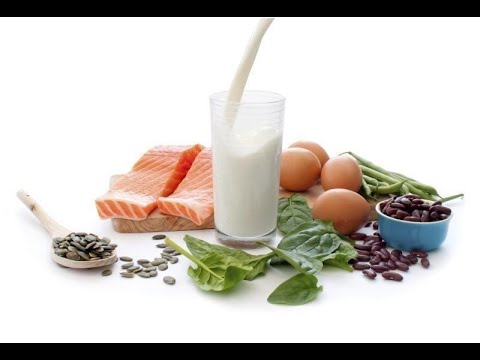
The Importance of the Amino Acid Asparagine - Explores asparagine's specific roles in nervous system function, protein folding, and why this often-overlooked amino acid is essential for overall health.

5 POWERFUL Amino Acids to Improve Brain Health and Mood - Covers five key amino acids including asparagine that support neurotransmitter production, cognitive clarity, and emotional balance.

ASPARAGINE, THE AMINO ACID FOR BRAIN FUNCTION & CELL GROWTH - A focused look at how asparagine supports neural development, cellular proliferation, and the body's ability to repair and grow tissue.

Amino Acids & Collagen: The Science of Ageless Skin - Discusses how amino acids including asparagine contribute to collagen synthesis, skin elasticity, and the science behind youthful skin maintenance.
Amino Acids - Unsung Heroes of the Nutritional World! - An overview of why amino acids are foundational to health, covering their roles in energy metabolism, immune function, and tissue repair.

The Neuroscience of Amino Acids: How They Impact Your Brain and Mood - Examines the neurological pathways through which amino acids influence mood regulation, mental performance, and brain chemistry.

The Truth About Protein: It's All About Amino Acids - Breaks down why protein quality matters by explaining how individual amino acids like asparagine drive the body's metabolic and structural processes.

Neuroscientist: How Amino Acids Help Lose Weight | Andrew Huberman - Andrew Huberman explains the science behind how amino acids affect satiety hormones, metabolism, and body composition.

This Veggie Does It All: Why Asparagus Deserves a Spot on Your Plate - Highlights asparagus as a top natural source of asparagine while covering its broader nutritional benefits and versatile culinary uses.